






A well-executed hot hatchback is one of life’s great joys, but that makes it all the more disappointing when a company gets them wrong. It happens every now and then, though, and for every hot hatch that cements itself as a legend in the eyes of the press and the public, there’s often another that’s met with at best, middling praise, and at worse, total derision.
Below, we’ve picked out 10 that fell into the latter camp when new, looked at the flaws that saw them fail to win the hearts of reviewers and buyers, and made a call on whether, in hindsight, they deserved better.
Fiat Stilo Abarth
Fiat Stilo Schumacher GP
What is it? A sporty version of Fiat’s crushingly underwhelming early noughties family hatch, the Abarth set itself apart from the hot hatch crop of the day with its 2.4-litre five-cylinder engine. Later, a UK-only Schumacher GP version appeared with chassis tweaks by the motorsport whizzes at Prodrive.
What was the problem? Although the five-pot engine was more charismatic than the engines used by plenty of rivals, it only mustered the same 170bhp as the four-banger used by the Ford Focus ST170. Combined with the Stilo’s portly-for-its-time 1340kg kerbweight, this made the Abarth a bit of a slouch in a straight line. Besides, the regular Stilo was always a bit naff and there was only so much a hot hatch transformation could do to fix that, even if the Abarth’s handling was met with some admittedly muted praise when new.
Did it deserve better? Probably not. Prodrive did its best with the Schumacher GP version, but really, the Stilo Abarth’s only standout feature was its engine – and if a five cylinder hot hatch was what you were after, the Mk2 Ford Focus ST would do a much better job a few years later.
Volkswagen Golf GTI Mk4

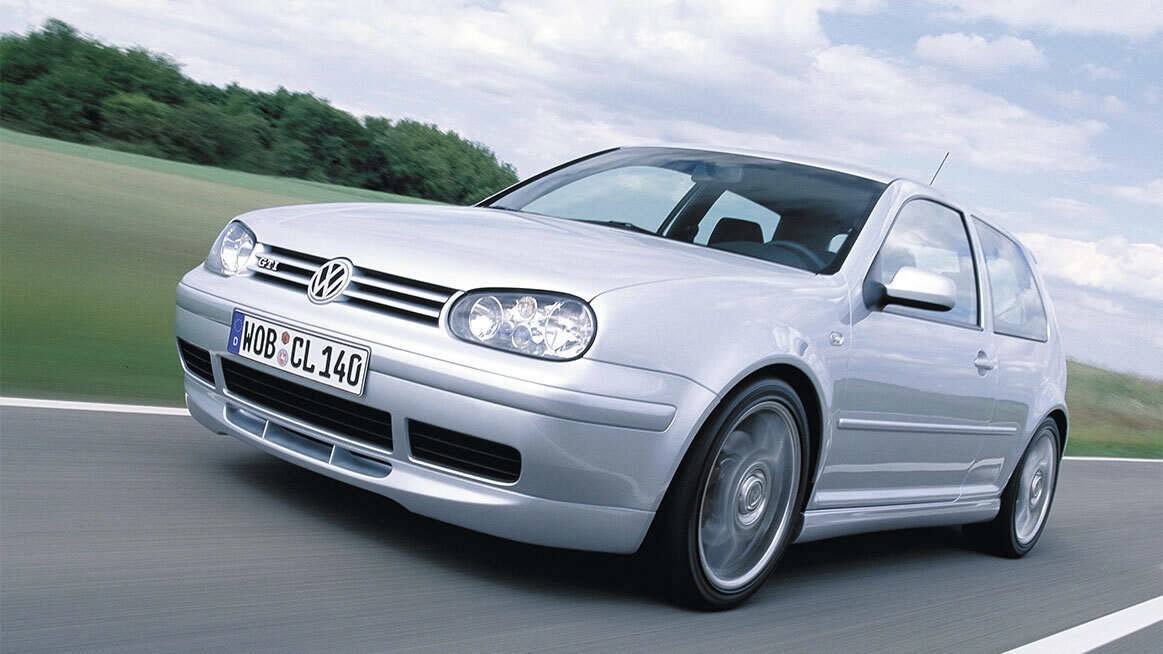
Volkswagen Golf GTI Mk4
What is it? The fourth generation of the arguable hot hatch standard bearer. Depending on market and model year, it was offered with everything from a woefully underpowered 115bhp 2.0-litre eight-valve four-cylinder to a tuneful 2.8-litre VR6, and in the UK, even with a 1.9-litre turbodiesel.
What was the problem? The Mk4 was an excellent Golf, praised for its clean design and supreme build quality, but even the hallowed GTI couldn’t escape the general malaise afflicting most of the hot hatch world in the late ’90s. The more powerful engines – the 180bhp 1.8T and the VR6 offered in the US redeemed things somewhat, but even then, it was lacking the focus and involvement to make it a truly appealing driver’s car. It didn’t even look particular GTI-ish.
Did it deserve better? We’re going to stick our neck out and say just about, depending on the spec. As we found out when we drove one a few years back, the passage of time has been reasonably kind to some versions of the Mk4. Just avoid those early 2.0-litres, though.
Peugeot 206 GTi

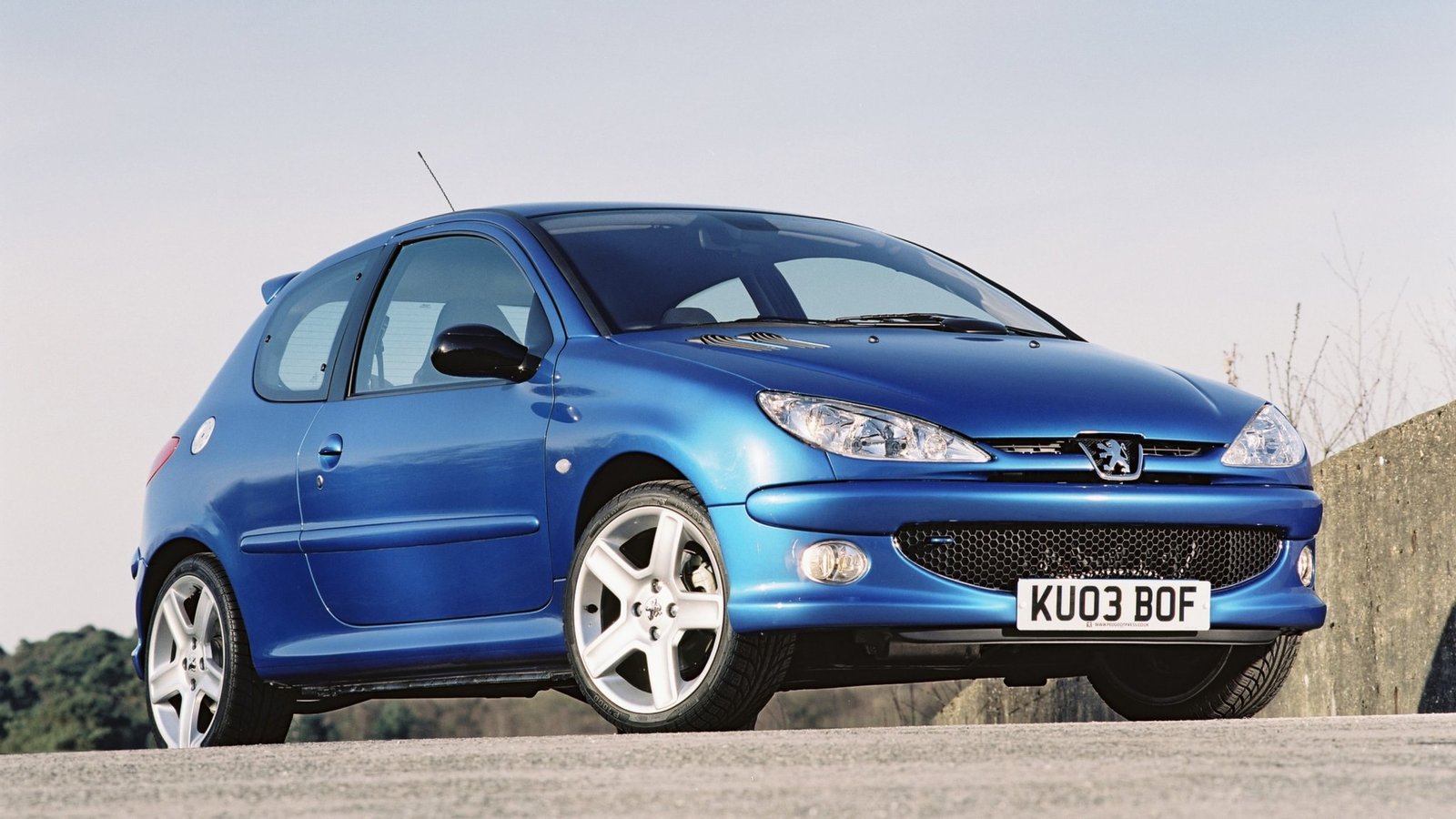
Peugeot 206 GTi 180
What is it? Although there was a bit of a gap between them being on sale, the direct successor to the 205 GTi, widely regarded as one of the greatest hot hatches of all time. Big shoes to fill, then.
What was the problem? Simply what the 206 GTi had to live up to. With the base 206 aiming for a more grown-up audience than the 205, the fun factor of the GTi was always going to be compromised. The result was a car that couldn’t hold a candle to its predecessor, not in 137bhp petrol form and especially not the 108bhp diesel that was also misguidedly badged as a GTi. Not helping matters was that Peugeot barely did anything to jazz up the base car’s admittedly pretty looks. 2003’s 175bhp GTi 180 improved things in both the driving and styling departments, but it was still too little, too late.
Did it deserve better? The original 137bhp version? Not even close. The GTi 180 has a better shot at redemption, but even it didn’t stand a chance against the era’s Renaultsport Clio or Mini Cooper S, let alone at living up to the magic of the 205 GTi.
Ford Escort Mk5 RS2000
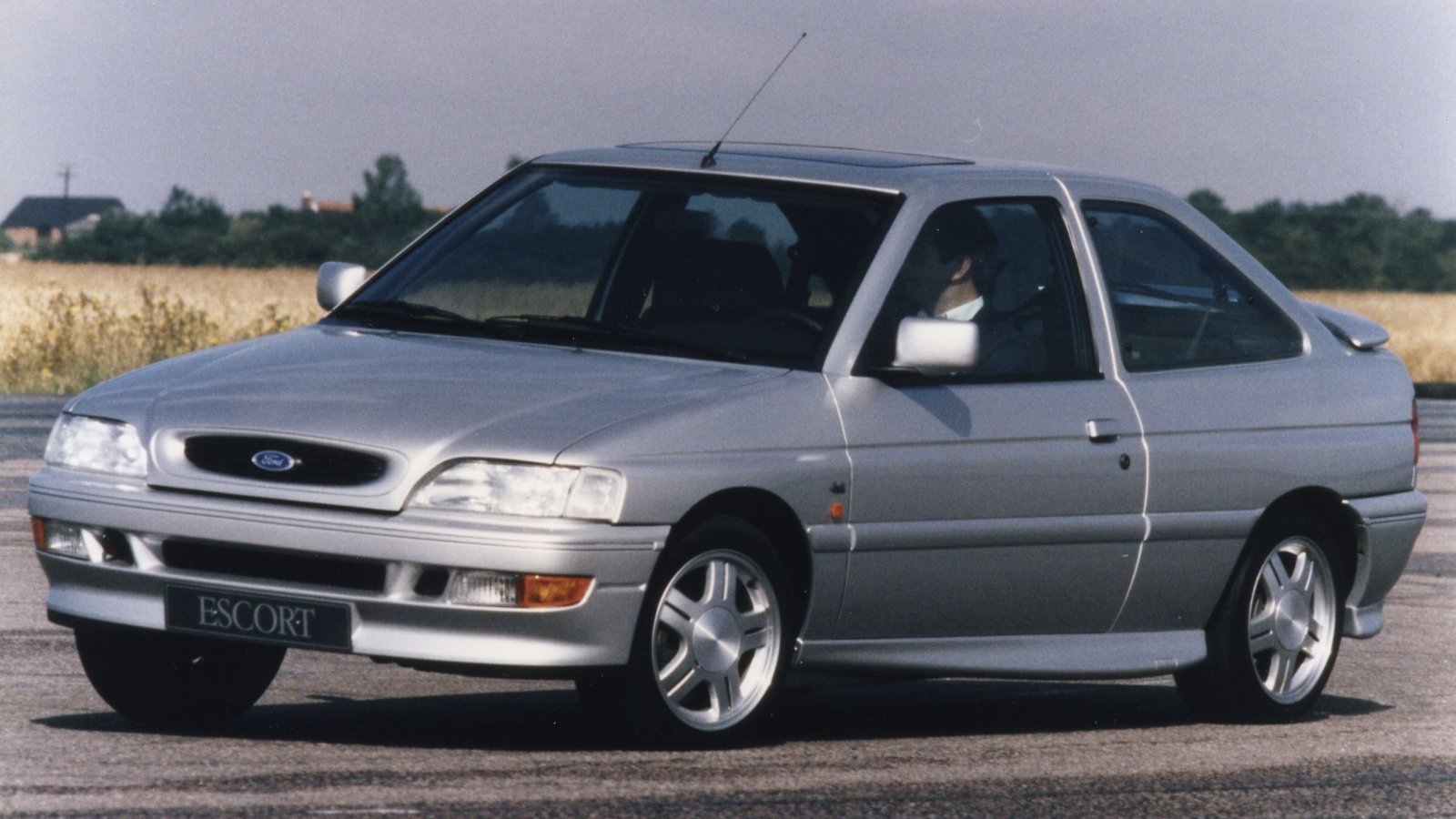
Ford Escort Mk5 RS2000
What is it? The sporty version of the Mk5 Escort that wasn’t the Cosworth, complete with a nat-asp 2.0-litre four-cylinder making 148bhp, and rare optional all-wheel drive.
What was the problem? Where do you start? The fifth-gen Escort in general is widely regarded as a low point for Ford thanks to its bland driving experience and cheap interior, and although Ford’s Special Vehicle Engineering gave a good go at fettling the chassis and steering, the underwhelming base car was too much to overcome. Adding insult to injury was the fact that it bore the same name as the brilliant rear-drive RS2000 from the ’70s.
Did it deserve better? Like any car from the early ’90s, it’s going to feel somewhat pure and analogue through 21st century eyes, but there’s a reason the RS2000 doesn’t really come up in the conversation around the best fast Fords.
Mini JCW GP (F56)
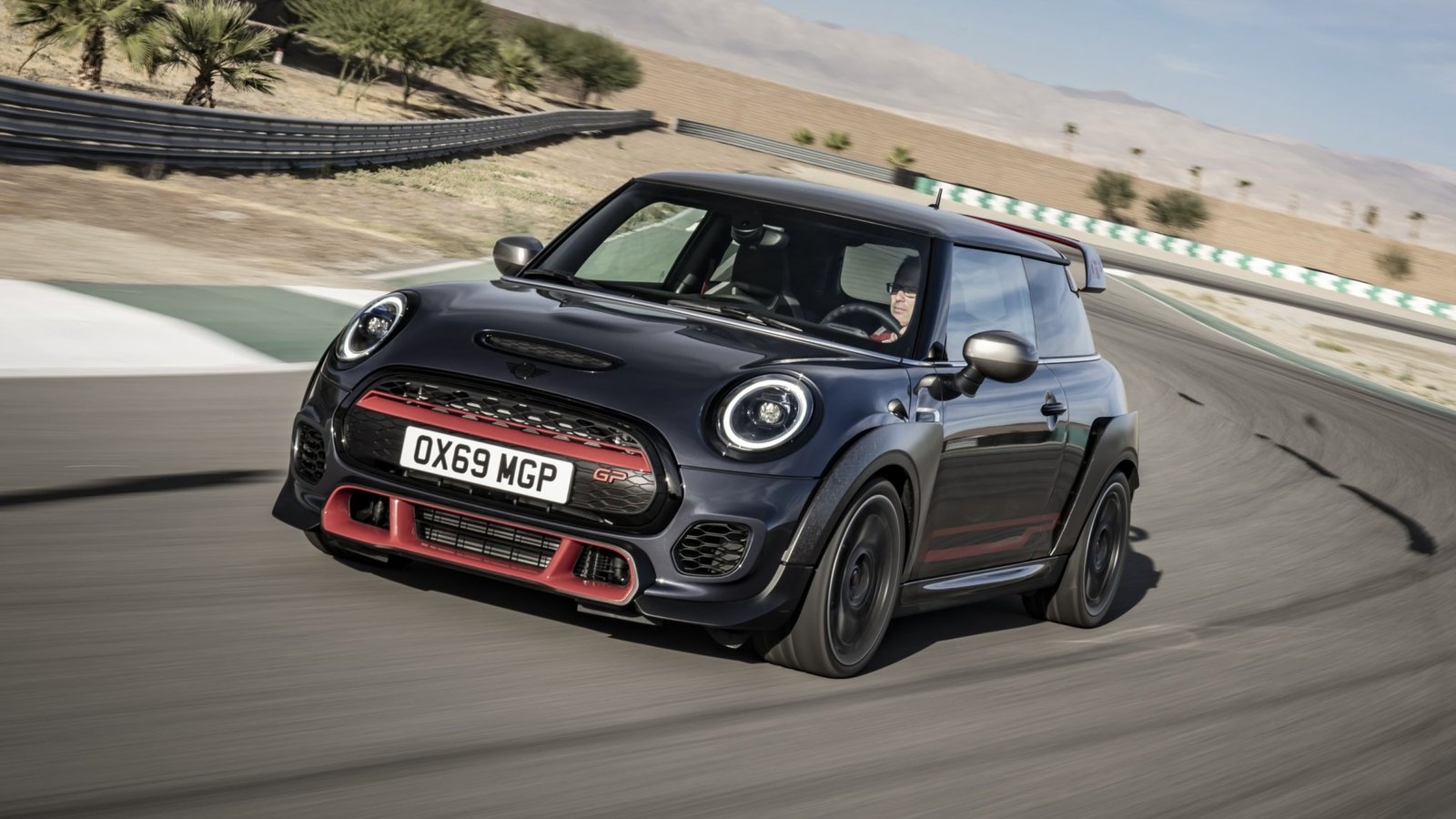
Mini John Cooper Works GP (F56)
What is it? The third generation of Mini’s series of limited-run, track-focused two-seater GP models.
What was the problem? The first two Mini GPs were brilliant if uncompromising, and with 302bhp from a 2.0-litre turbo mill and some of the most ludicrous arch flares ever seen on a road car, the third one promised a lot. However, the ultra-aggressive suspension setup was too much for all but the most pool-table-smooth roads, which jarred all the more with the fact that Mini only offered it with a relatively lazy eight-speed automatic gearbox, leading to us calling the GP ‘a confusing mess’ when we drove it.
Did it deserve better? With a proper gearbox and a slightly less uncompromising chassis, the GP3 could have gone down as a modern classic. As it stands, though, it’s destined to forever live in the shadow of its predecessors.
Alfa Romeo 147 GTA
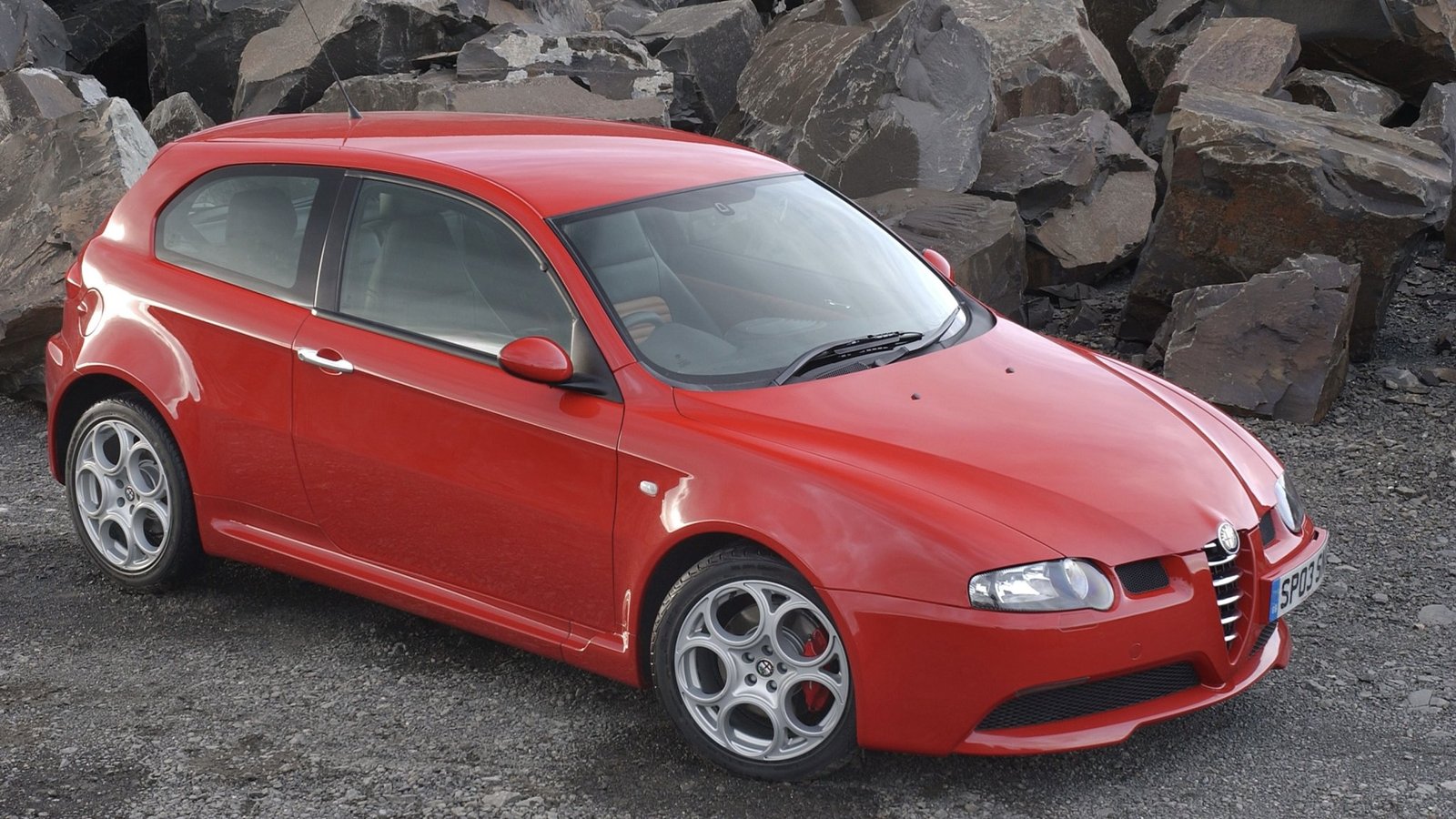
Alfa Romeo 147 GTA
What is it? A ludicrous Italian hot rod with Alfa’s gorgeous 3.2-litre V6 and, at 247bhp, considerably more power than any other front-wheel drive hot hatch of the time.
What was the problem? You know what we just said about the GTA being the most powerful front-wheel drive hot hatch of its era? Yeah, that. All that power through the front wheels, plus a nose-heavy setup and the fact that Alfa didn’t see fit to install a limited-slip diff, led to abundant torquesteer, oversteer, and basically every other kind of steer except the sort you wanted.
Did it deserve better? Did it ever. If only we’d known at the time a) how easy and transformative a mod an LSD would be (something that plenty of cars have had retrofitted) and b) how perhaps no other hot hatch would ever get an engine this fantastically charismatic. The market seems to have realised this, with prices only heading in one direction these days.
Renault Clio 200 EDC
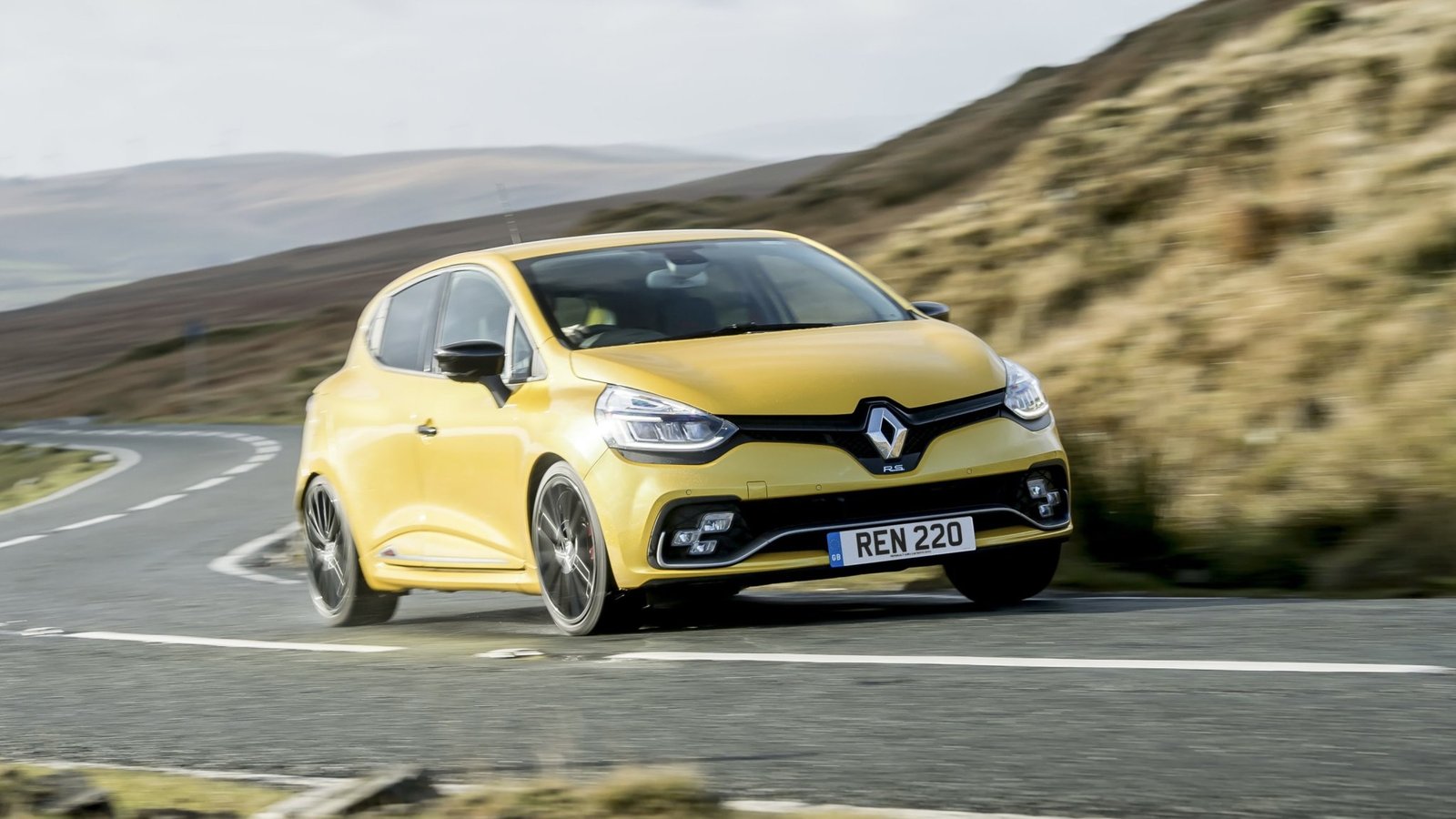
Renault Clio RS 220 Trophy
What is it? The third and final generation of Renault Sport Clio, making the controversial move from a 2.0-litre naturally aspirated engine and a manual gearbox to a 1.6 turbo and an ‘EDC’ dual-clutch auto.
What was the problem? Like the 206 GTi, the Clio EDC had a hard time living up to what came before. It was a fundamentally quick and well-sorted little car, especially in uprated Trophy guise, but with the first two RS Clios being so lauded for their fizzy engines and manual gearboxes, a turbocharged automatic was always going to feel a little flat in their wake, especially as the gearbox itself wasn’t the greatest of autos.
Did it deserve better? We think so. Encroaching regulations would have made it very tricky for Renault to build a third Clio RS in the image of the first two, and we’d rather have this over no fast Clio at all, as is the case today. Now that we’re all a lot more used to the idea of an auto-only hot hatch – even the Golf GTI has lost its manual – perhaps it’s time for a reappraisal of the EDC.
Mitsubishi Lancer Ralliart
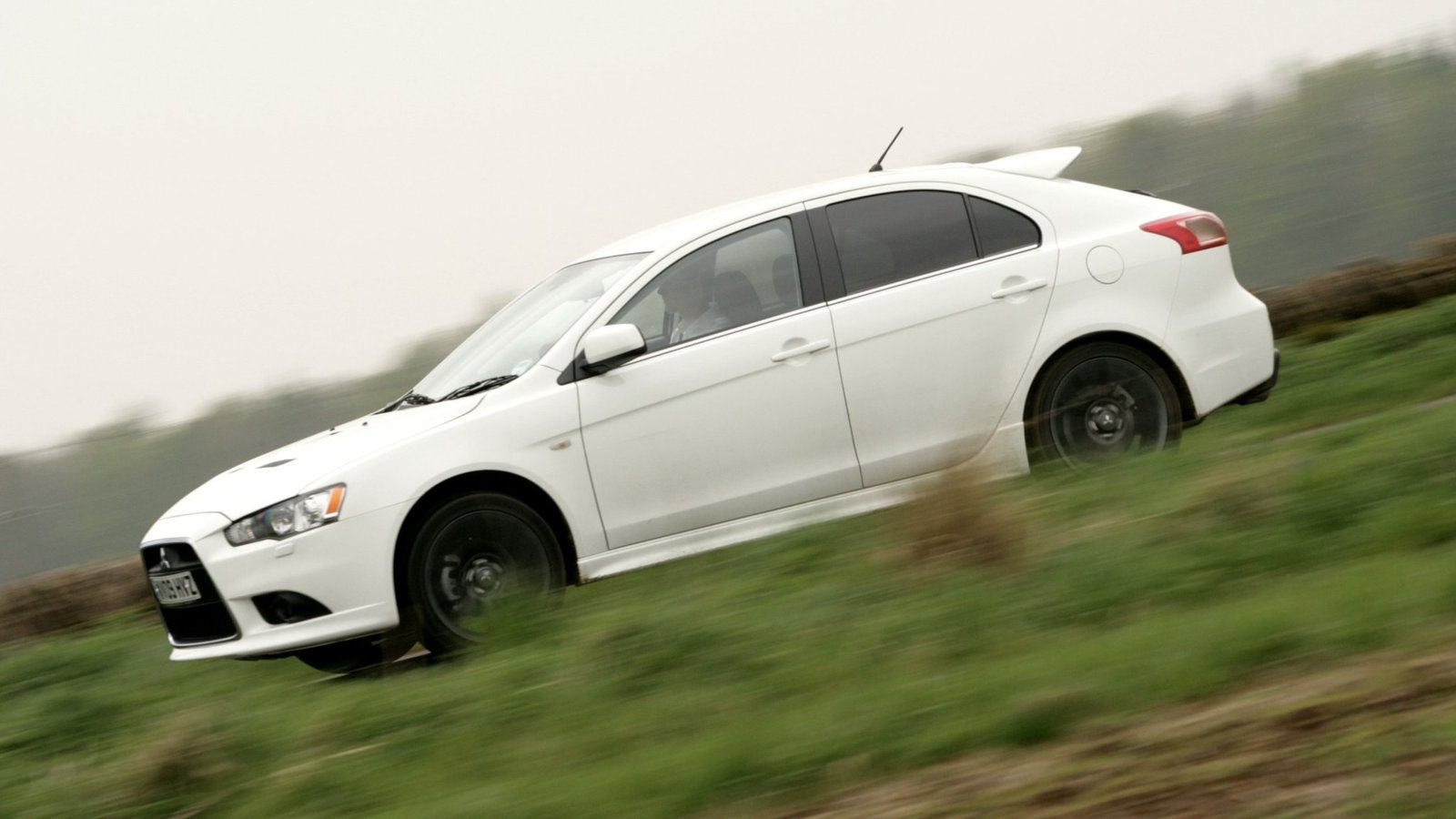
Mitsubishi Lancer Ralliart
What is it? A rather forgotten Diet Lancer Evo X, using the same 2.0-litre turbo engine as the full-fat Evo, detuned but still making a healthy 237bhp. It was all-wheel drive but did without the Evo’s signature Active Yaw Control, and packaged into a hatchback body as opposed to the four-door Evo.
What was the problem? Mainly that with its less sophisticated suspension and all-wheel drive system, it didn’t really feel much like an Evo to drive. It was also compromised by a laughably cheap interior and by only coming with a dual-clutch auto at a time when a manual was still basically a given in a hot hatch. The original VW Golf R did the whole rapid, composed all-wheel drive hatch thing far better for not much more money at the time.
Did it deserve better? Probably not. The Evo X is hardly the most beloved version of the Lancer Evolution anyway, and stripping away much of its Evo-ness left the Ralliart feeling underwhelming, not really able to either live up to its Evo-lite brief, nor take on the hot hatch class of the day.
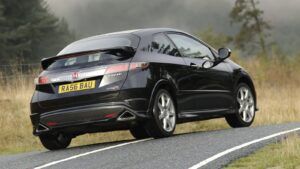
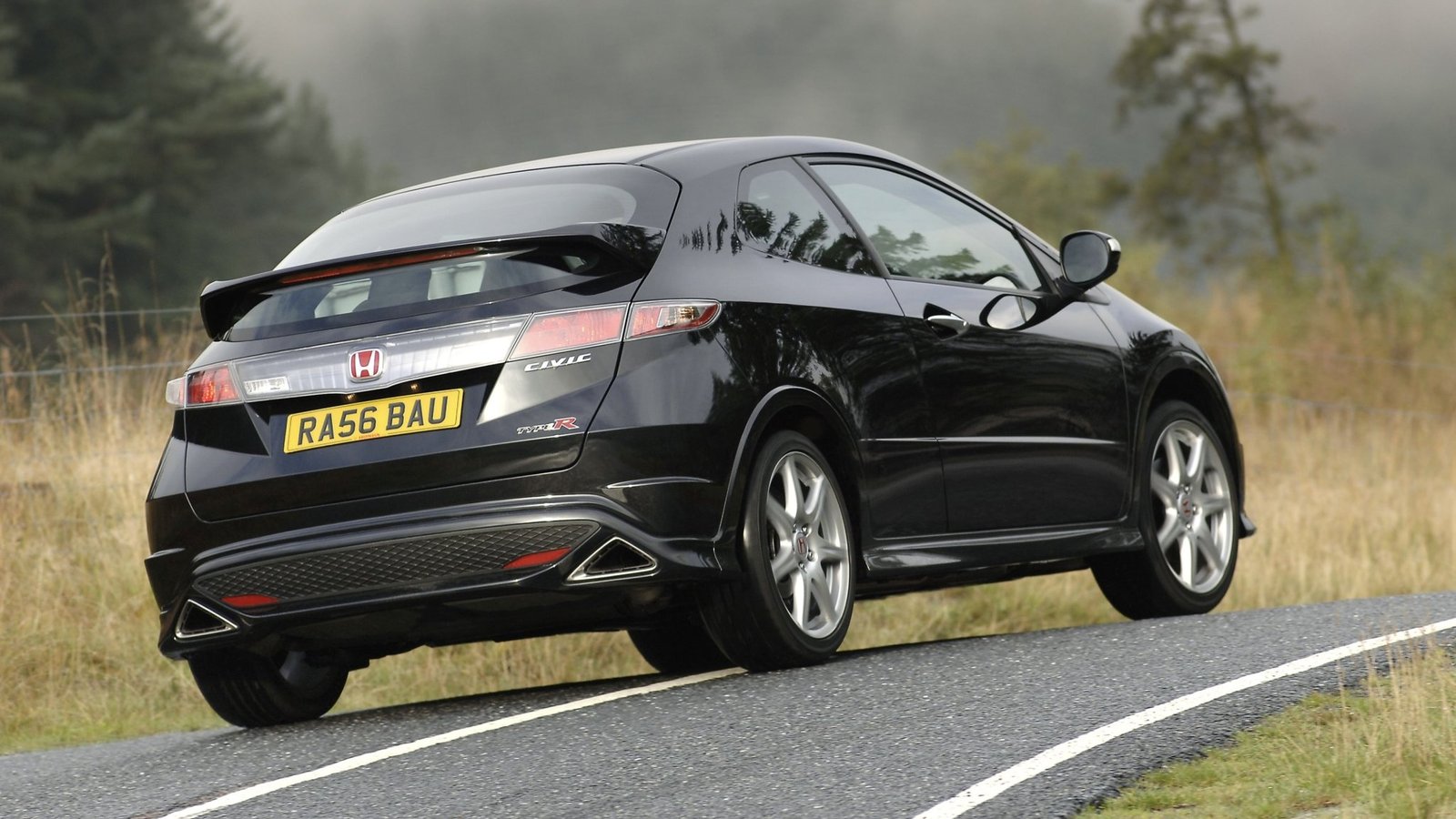
Honda Civic Type R (FN2)
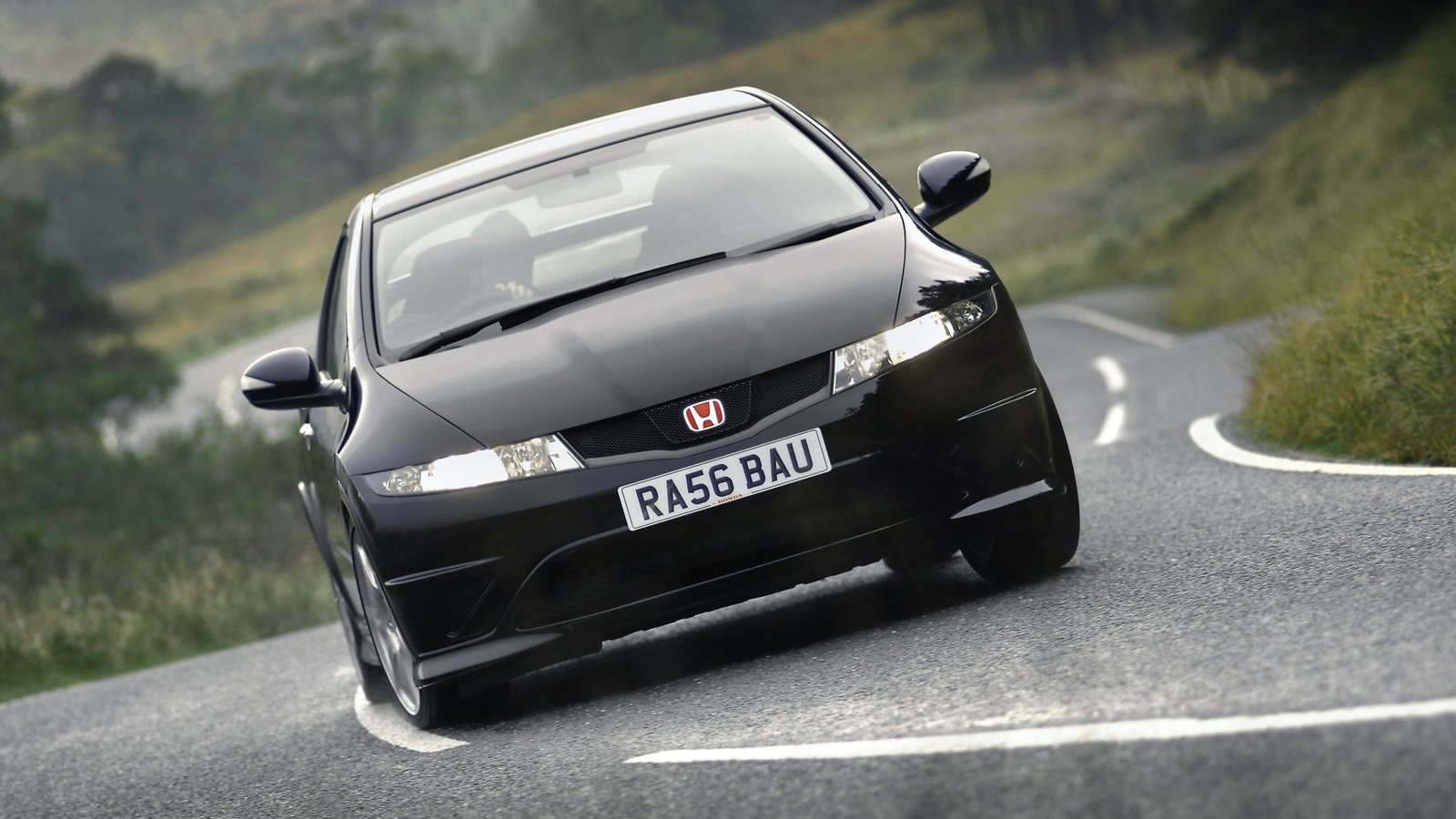
Honda Civic Type R (FN2)
What is it? After the opinion-splitting ‘Breadvan’ EP3, another Honda Civic Type R with styling likely to draw comparisons to a certain yeast-based spread.
What was the problem? You probably remember Jeremy Clarkson giving this car a bit of a kicking, and it wasn’t without reason. The FN2 was noticeably heavier than the EP3 that preceded it, yet its 198bhp engine – a version of the same 2.0-litre VTEC-equipped K20 – was a grand total of 1bhp more powerful. That, combined with changes to the way the VTEC kicked in, yo, to make things less frantically revvy, meant it never felt particularly quick, and the ride was unerringly firm too. To add insult to injury, Japan got a completely different Civic Type R at this time, generally regarded as a far better car.
Did it deserve better? Y’know what? Yes, it did. For all its flaws, the FN2 Type R was still a decent steer, and even if the engine didn’t quite zing the same way as its predecessor’s, there’s arguably not been a more exciting motor fitted to a hot hatch since. Everyone remembers Clarkson’s telly review, but it’s quite easy to find kinder contemporary opinions. We even quite like the styling.
Toyota Corolla T Sport
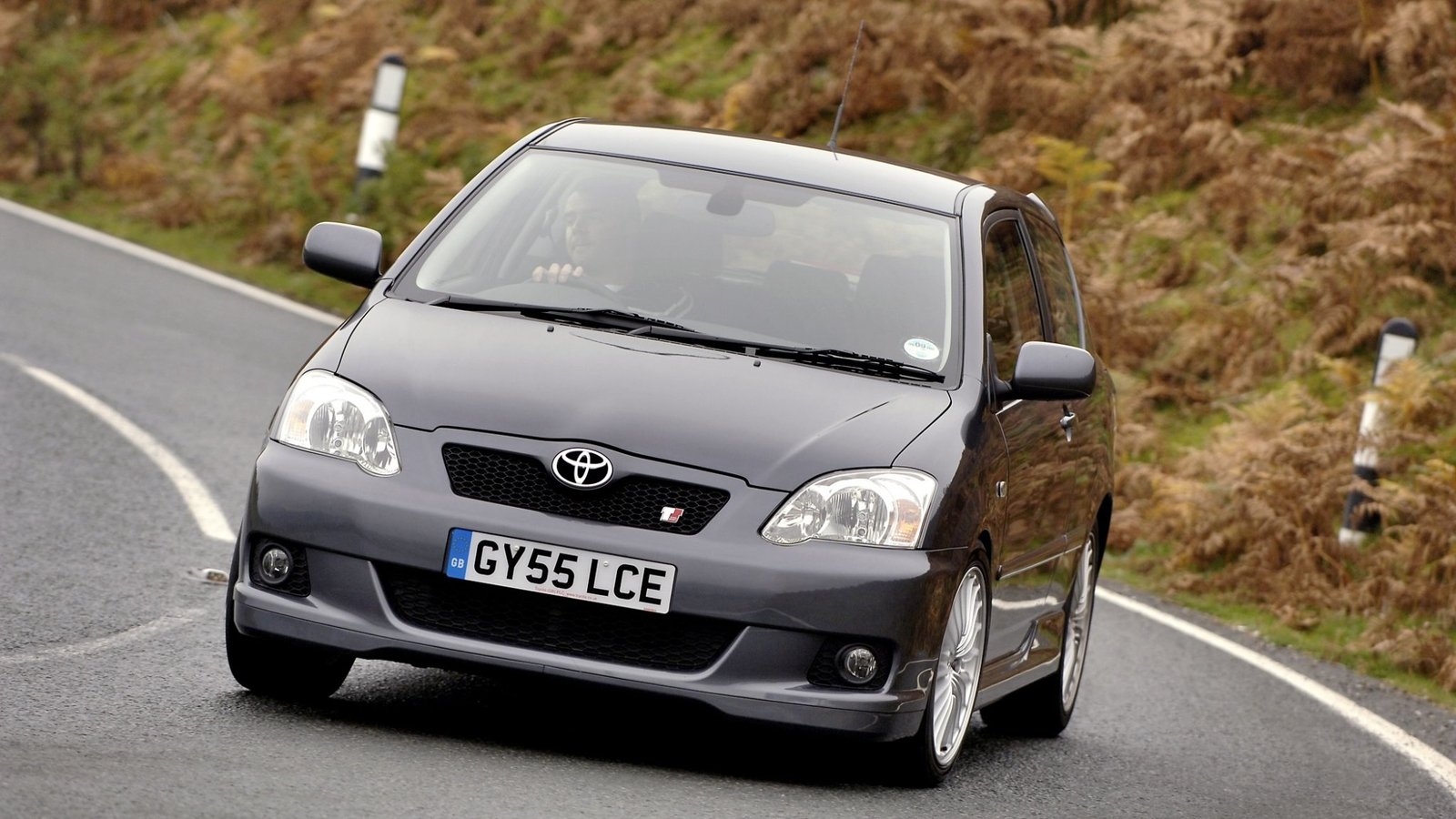
Toyota Corolla T Sport Compressor
What is it? A sporty version of Toyota’s dependable but utterly forgettable ninth-generation Corolla, packing 189bhp from a 1.8-litre engine. The rare Compressor version bumped that to 215bhp with the addition of a supercharger.
What was the problem? Mainly that, as hot hatches go, it was just painfully bland. Bland to look at, bland to drive and utterly outclassed by most rivals. The engine struggled with a lack of torque too, and while the Civic Type R had the same issue, it made up for it with high-revving VTEC antics, which Toyota’s own VVTL-i variable valve timing system couldn’t match. The Compressor improved things somewhat, but it wasn’t a meaningful jump, and only 250 of the blown versions came to Britain anyway.
Did it deserve better? Not really. While not completely hopeless, the Corolla T Sport was totally outclassed at a time when the brilliant Mk5 Golf GTI and Mk2 Focus ST were arriving on the market. Thank goodness Toyota cracked the hot hatch thing 15 or so years later with the GR Yaris.
Read the full article here


