






When someone says ‘boxer engine’ to the typical car enthusiast, one of three images will come to their mind, depending on where their automotive allegiances lie: either a chuntering air-cooled Volkswagen, a screaming Porsche, or a rumbly turbocharged Subaru.
These are the three manufacturers that have made the greatest success out of this relatively uncommon engine layout, which benefits from a lower centre of gravity and supreme balance, but is more expensive to produce than an inline engine and trickier to package than V-configuration motor. They’re far from the only ones to try it, though – several other manufacturers have experimented with the format over the years, and these are some of our favourite boxer-powered cars that don’t come from VW, Porsche or Subaru.
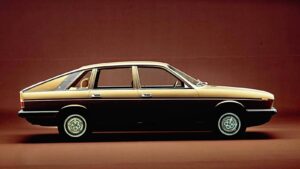
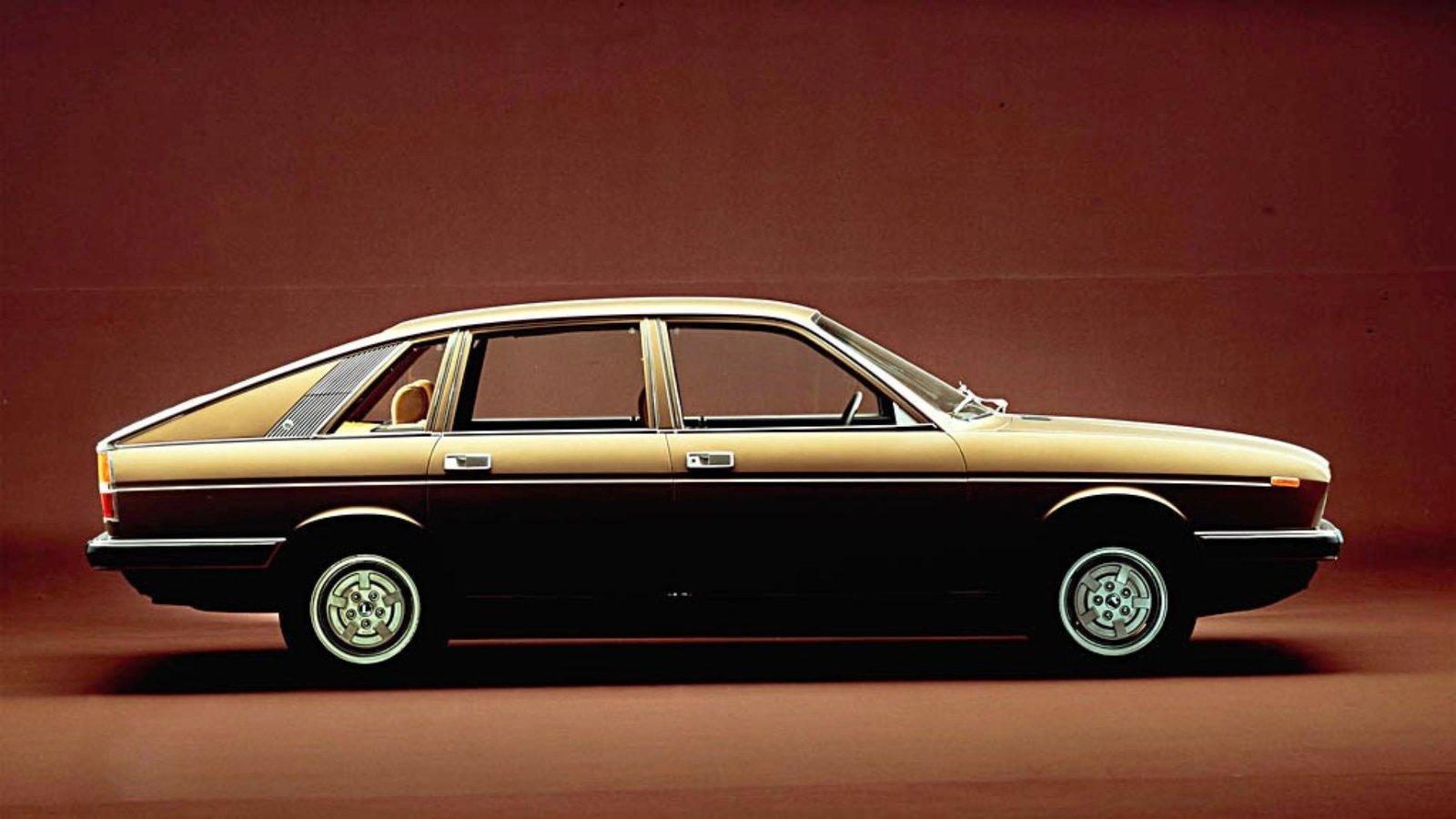
Lancia Gamma
Lancia Gamma Coupe
Never a company fond of taking the traditional route, Lancia first put a flat-four engine in the Flavia in 1960, and developed another one for its eventual successor, 1976’s Gamma. In the latter model, a funky executive fastback ‘Berlina’ saloon or notchback coupe, the boxer four came in 2.5-litre, 138bhp or 2.0-litre 118bhp forms, the latter designed largely to fit around Italian tax rules that heavily punished engines above that capacity.
While not strictly related to it being a boxer engine, early examples of the Gamma’s motor featured a spectacular design flaw. Unlike most other cars, its power steering pump wasn’t driven by an auxiliary belt, but connected directly to the engine’s timing belt. That meant that if you overloaded the pump – as plenty of owners unknowingly did when applying full lock on a cold day when the engine wasn’t yet up to temperature – it could cause the timing belt to snap, effectively destroying the engine. Only Lancia.
Alfa Romeo Alfasud

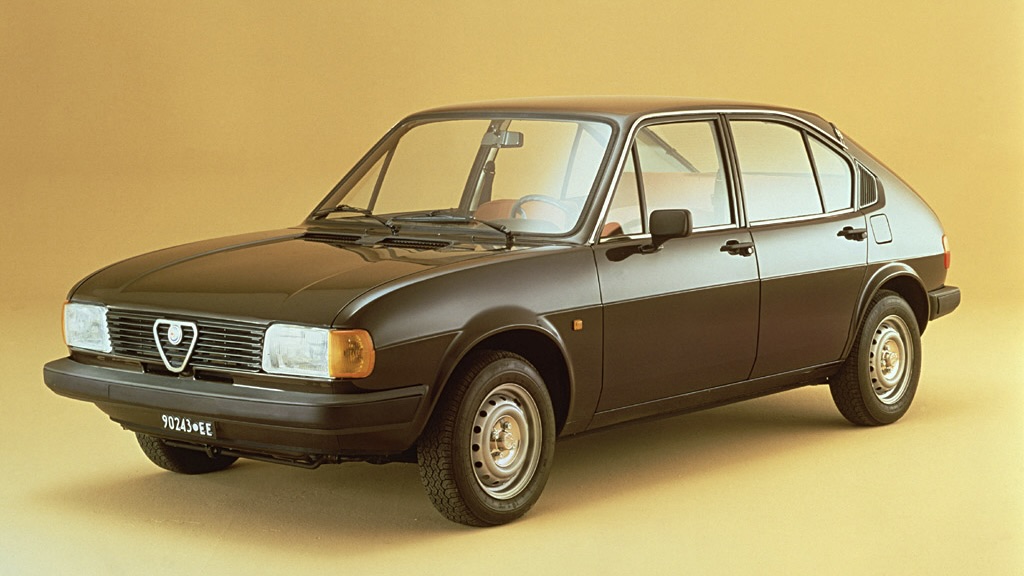
Alfa Romeo Alfasud
There was clearly some boxer enthusiasm in Italy in in the ’70s, because Alfa Romeo also started using flat-fours in 1971. The most famous model to utilise Alfa’s boxers, which went as low as 1.2 litres and eventually swelled to 1.7 litres, was the Alfasud, a car renowned for being one of the prettiest, best-handling family cars of its day and, later, rusting so catastrophically that you could drive it around like Fred Flinstone.
Alfa gave its flat-four a good run, fitting it in its subsequent small family cars, the 33 and the 145/146, with production of the engine lasting right up to 1997. It was also one of the only redeeming features of the Arna, a well-intentioned but ultimately fairly abysmal rebadge and light re-engineering of the Datsun Cherry.
Citroen GS

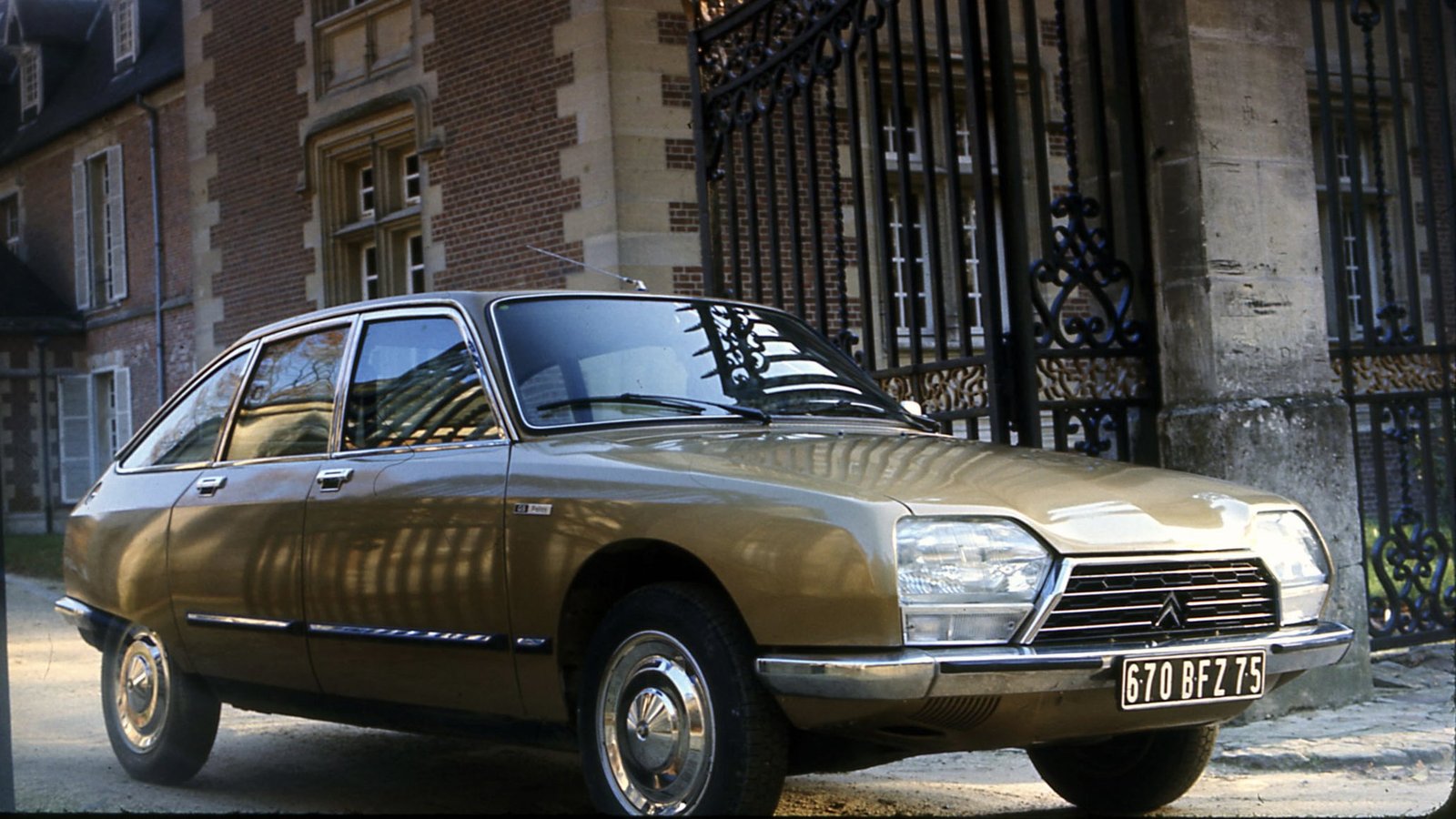
Citroen GS
Over on the other side of the Alps, they were playing around with more mainstream applications of boxer engines in the ’70s too. The Citroen 2CV famously used a flat-twin throughout its life, and the legendary DS was originally planned to have a flat-six before cost constraints put that plan to bed, but the French company also developed a flat-four for its first crack at a small family car, the stylish and forward-looking GS.
One of very few front-mounted engines ever to be air-cooled, the GS’s flat-four ranged from 1.0 to 1.3 litres in size and 54 to 66bhp in power, although the light weight and aerodynamic body meant performance wasn’t as dismal as these figures might suggest. Incidentally, the GS, a car that seemed to be a magnet for weird engine layouts, was also briefly available with a rotary.
Chevrolet Corvair
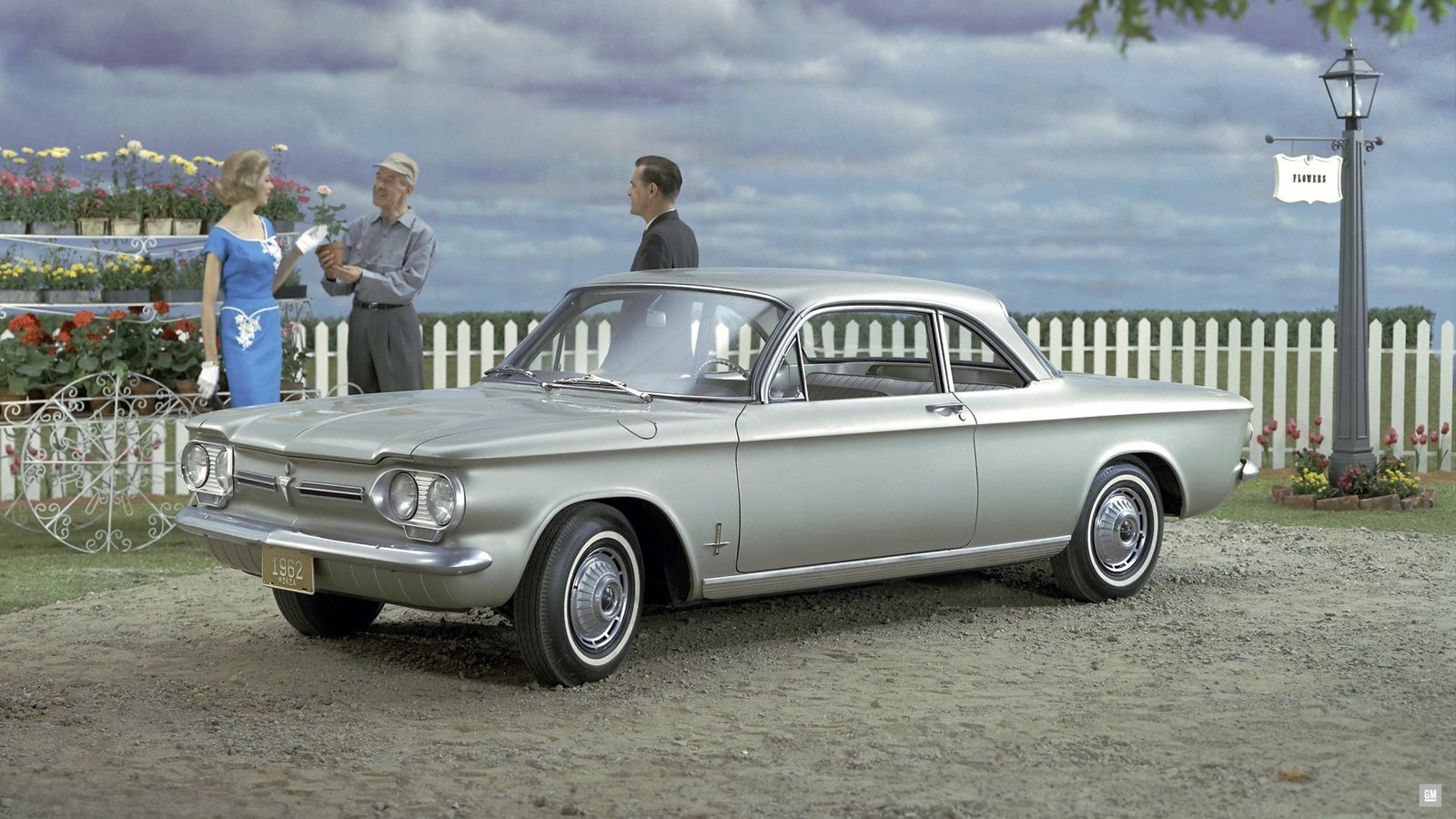
Chevrolet Corvair
By the late ’50s, the typical format for American cars had been firmly established: big engine, preferably a V8, up front, and drive to the rear. So when the Chevrolet Corvair arrived at the end of that decade, it felt – and looked – distinctly European. The engine was an all-new flat-six, air-cooled and mounted out at the back of the car, much like a Porsche 911, although the Corvair was never particularly marketed as a sports car.
That’s in spite of the arrival of a turbocharged version of the engine in 1962 – often cited as the first turbocharged production car, although it’s contested whether it or the Oldsmobile Jetfire went into production first.
Few people remember the Corvair for its innovative engine or forward-looking styling, though, because of one book, consumer activist Ralph Nader’s Unsafe at Any Speed. This contended, whether fairly or not, that the Corvair’s rear-engined layout and swing-axle rear suspension made it an inherently dangerous car to drive, and even though a redesign was brought in for 1965, it remains the Corvair’s biggest legacy today.
Yangwang U7
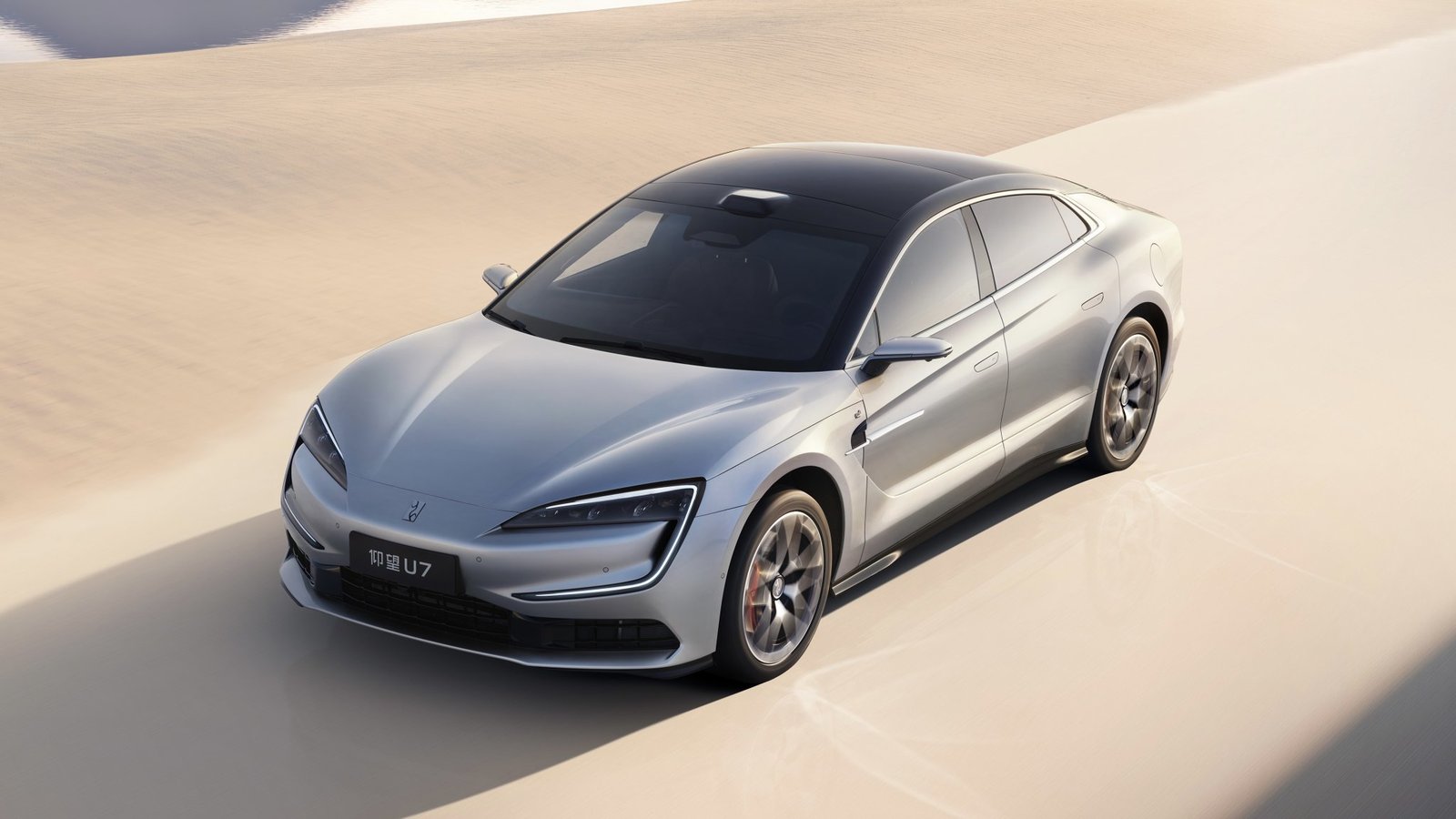
Yangwang U7
You’ve probably heard a lot lately about Chinese brand Yangwang, a luxury subdivision of carmaking giant BYD, because of the record-breaking antics of its all-electric U9 Extreme supercar.
However, in 2025, the brand also quietly became the first car company in decades besides Subaru and Porsche to put a boxer engine in a car. That’s in the U7 luxury saloon, which is available as either a full EV or a plug-in hybrid with a new 2.0-litre turbocharged flat-four handling combustion duties. The engine makes 272bhp by itself, but together with the two electric motors, the overall powertrain makes 1,340bhp which, for the record, you probably don’t need in a laid back luxury saloon.
BRM P83 and Lotus 43
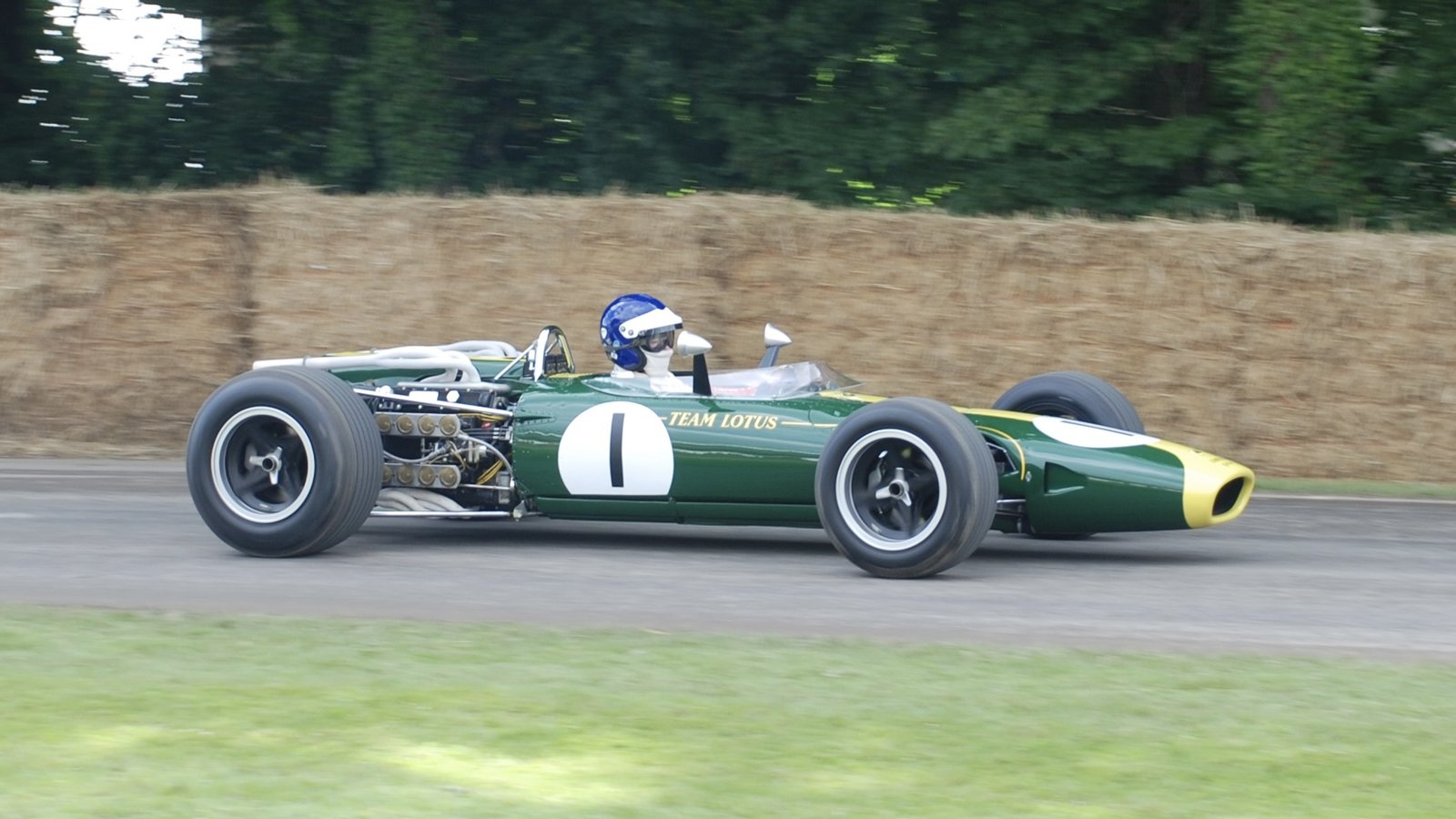
Lotus 43
These two 1960s F1 cars shared the same engine, developed by British constructor BRM and codenamed the P75, and it’s quite simply one of the most ridiculous engines ever conceived. It’s a 3.0-litre H16, consisting of two flat-eight engines, separate crankshafts and all, stacked on top of one another and hooked up to a shared output shaft.
Used sporadically by the BRM and Lotus teams between 1966 and ’68, the H16 was overweight and laughably overcomplicated, but if it was working properly, it was nevertheless decently competitive, never finishing lower than ninth and even claiming a victory for Lotus with Jim Clark at the wheel at the 1966 United States Grand Prix. That’s a very big ‘if’, though: the main reason cars with this engine never finished a race below ninth was because they very rarely finished a race at all. For reasons we’re sure are obvious, nobody’s bothered with a car engine like this since.
Image: Matthew Lamb, CC BY-SA 2.0
(Not the) Ferrari Berlinetta Boxer
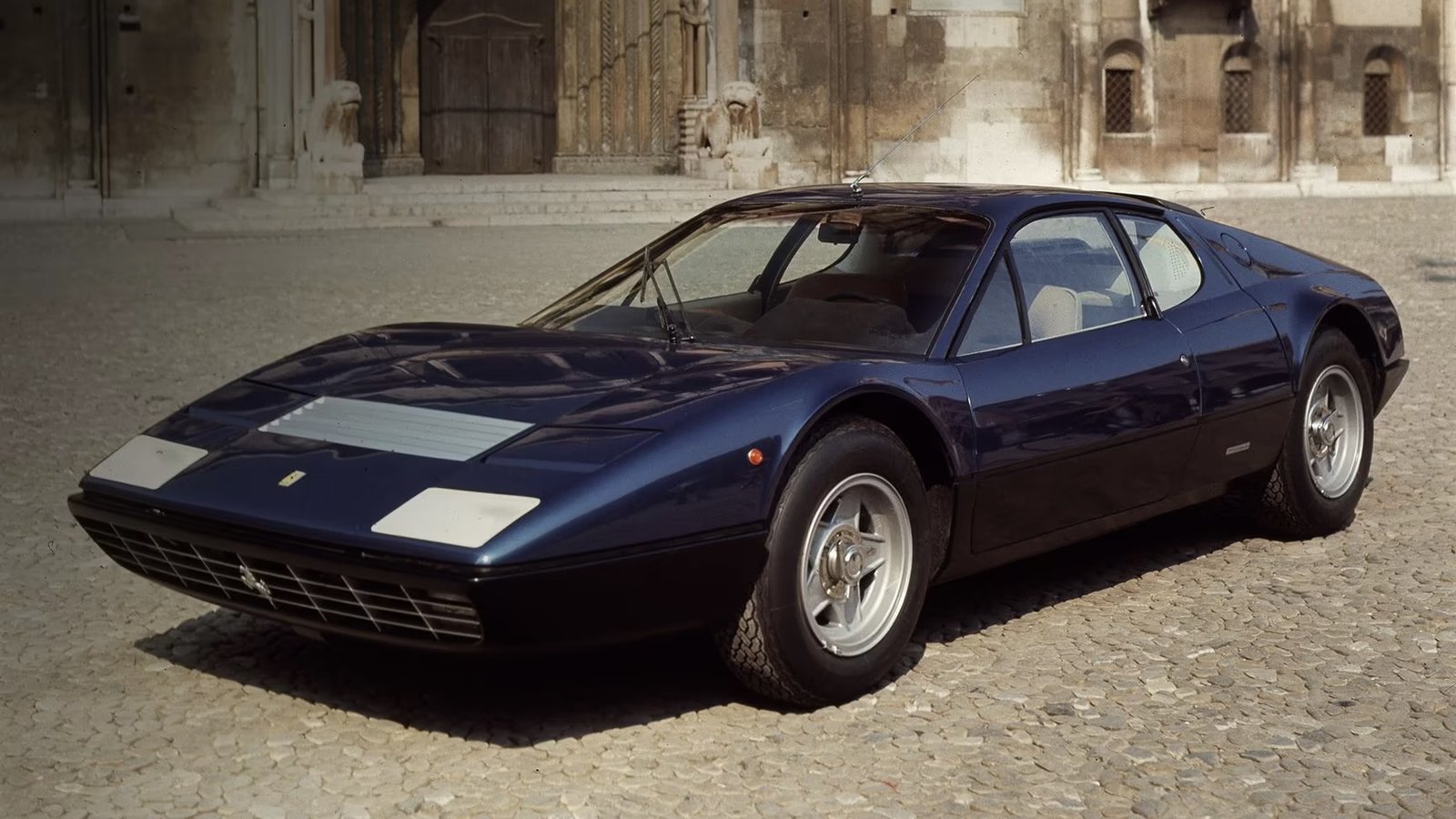
Ferrari 365 GT4 BB
Ferrari’s line of big 12-cylinder, mid-engined road cars famously used flat-12s between 1973 and 1996, and had been using similar engines in its F1 cars before that. The first of the flat-12 road cars were the 365 GT4 BB and 512 BB, whose names stood for ‘Berlinetta Boxer’.
Despite this, the engines they used weren’t ‘true’ boxers. That’s because on boxers, each pair of horizontally opposed cylinders use separate crank pins, meaning they move in and out in symmetry with each other. This is said to resemble a boxer punching their gloves together before a fight, hence the name.
The Ferrari flat-12, meanwhile, used shared crankpins for each pair of cylinders, as a traditional V-formation engine does. That technically makes it a 180-degree V12 – a contradiction of terms in itself, if you think about it – but really, it’s all semantics.
Read the full article here


