






Less than a week after General Motors’ CEO Mary Barra announced that the carmaker is targeting Level 3 “eyes-off” autonomy for its cars by 2028, Lucid is upping the ante. Today they announced what they’re calling Level 4 autonomy. We’ll get into the (maybe) distinction below, but the upshot is that there’s a simmering war for which carmaker can sell private robotaxis to private customers the soonest.
Yes, in several cities across America you can be fetched by a Waymo right now, with Elon Musk’s slower-than-foreshadowed rollout of Cybertaxis in Austin now live as well. But Musk has famously wanted to unshackle his extant customers from the burden of driving for ages—even while Tesla continues to face myriad investigations by the feds over tech that rather famously does not actually offer anything like “full” self-driving.
Meanwhile, Lucid hasn’t even been on this stage until very recently. They have their own assisted driving tech, which is called DreamDrive Pro. Now, through over-the-air updates, DDP can enable hands-free driving and lane-changing on the Lucid Air and Gravity. What they say is coming will go way beyond this tier.
Leveling Up
Lucid, at present, offers what’s called Level 2 Plus assistance. This is identical to systems that include Tesla’s “Full Self-Driving,” GM’s Super Cruise, Ford’s BlueCruise, and Nissan’s ProPilot Assist 2.1. If there’s a battle, it’s presently with Mercedes-Benz’s Drive Pilot, which, on some roads in the U.S., allows eyes-off driving, whereas Level 2 Plus requires your eyeballs forward.
Lucid has announced, in partnership with NVIDIA hardware and software, what they’re calling NVIDIA DRIVE AV. They say this tech will enable “eyes-on, point-to-point driving,” and to the confusion of all your brain cells, Lucid’s dubbing this “L2++.”
Vernacular Vs. Facts
If you can ignore the lack of labeling conventions among carmakers, what this is really about is true autonomy vs. babysitting your fancy robot car. Level 3, which is what Mercedes’ Drive Pilot seems to be, allows customers to take their eyes off the road. Mercedes has only enabled this on limited roadways in the U.S. and Germany. But the theory is that Level 3 would be eyes-off most of the time, and likely just for mapped highway use, which is what GM is targeting by 2028. And that makes sense for that carmaker, because they already have four times as many mapped miles as their closest rival. Meanwhile, Tesla claims not to need mapping, and will instead rely on their vast data set and A.I. to understand driving circumstances and avoid accidents. And Lucid?
Lucid’s Bold Claim
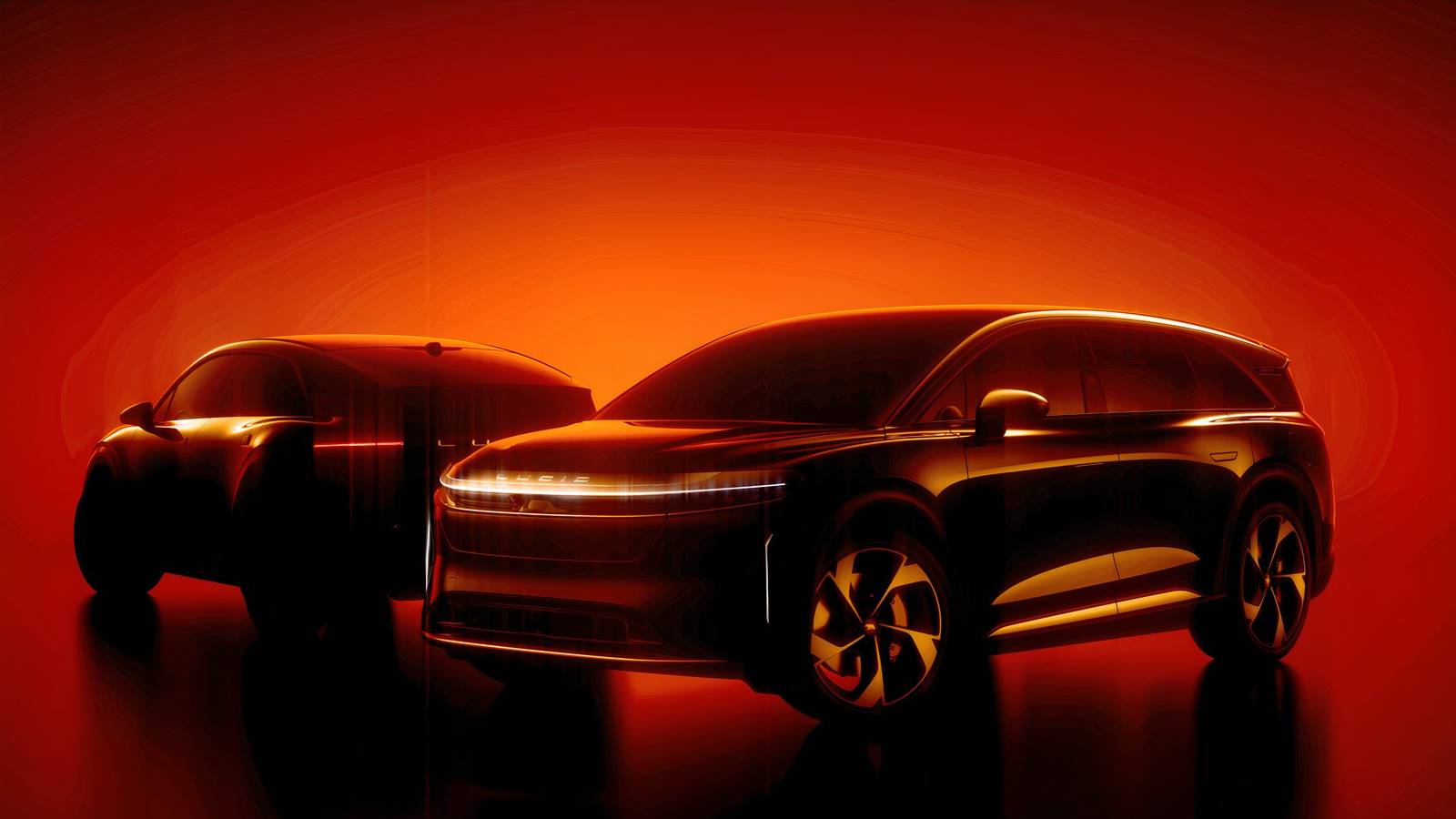
Lucid says that eventually, Gravity and the company’s smaller, mid-size vehicles coming to market will get what they’re calling “the first true eyes-off, hands-of, and mind-off (Level 4) consumer-owned autonomous vehicle.”
Like Lucid’s rivals at General Motors, Ford, Nissan and many other carmakers like Mercedes-Benz (but not Tesla), Lucid will continue to use cameras, LiDAR and radar, and in addition they’re touting the digital horsepower of dual NVIDIA DRIVE AGX Thor accelerated computers, running the NVIDIA DriveOS operating system. Like Tesla, they’re also touting the A.I. capabilities of onboard software and, we’d guess, cloud-sourced data as well. And Level 4 would indeed go beyond what GM has said they’re targeting near term, because “mind-off” driving autonomy means that you don’t need to keep one eye on the road in case you have to take the wheel back from the robots.
TopSpeed’s Take
Recent research from the consultancy AutoPacific suggests that wealthier, younger buyers are far less dubious about automated driving—and they’re willing to pay more for it, too. Lucid’s play makes perfect sense, because they’re catering to an upscale buyer. But color us still dubious that, sans all the tech that festoons a Waymo, Lucid can get this right. And that’s in part because money alone—and they sure have a lot of it—cannot game for the edge cases thrown at a robotic driver, such as weather. Not to mention a dirty car that a Lucid customer didn’t bother to wash and cleanse, occluding the views of the cameras and sensors. And, yes, we’ll say the bold part here, too: a road populated by robots might indeed be safer than one cluttered with distracted human drivers. But there’s a very long path ahead before we get there, if in fact that’s where we want to go.
Read the full article here


