





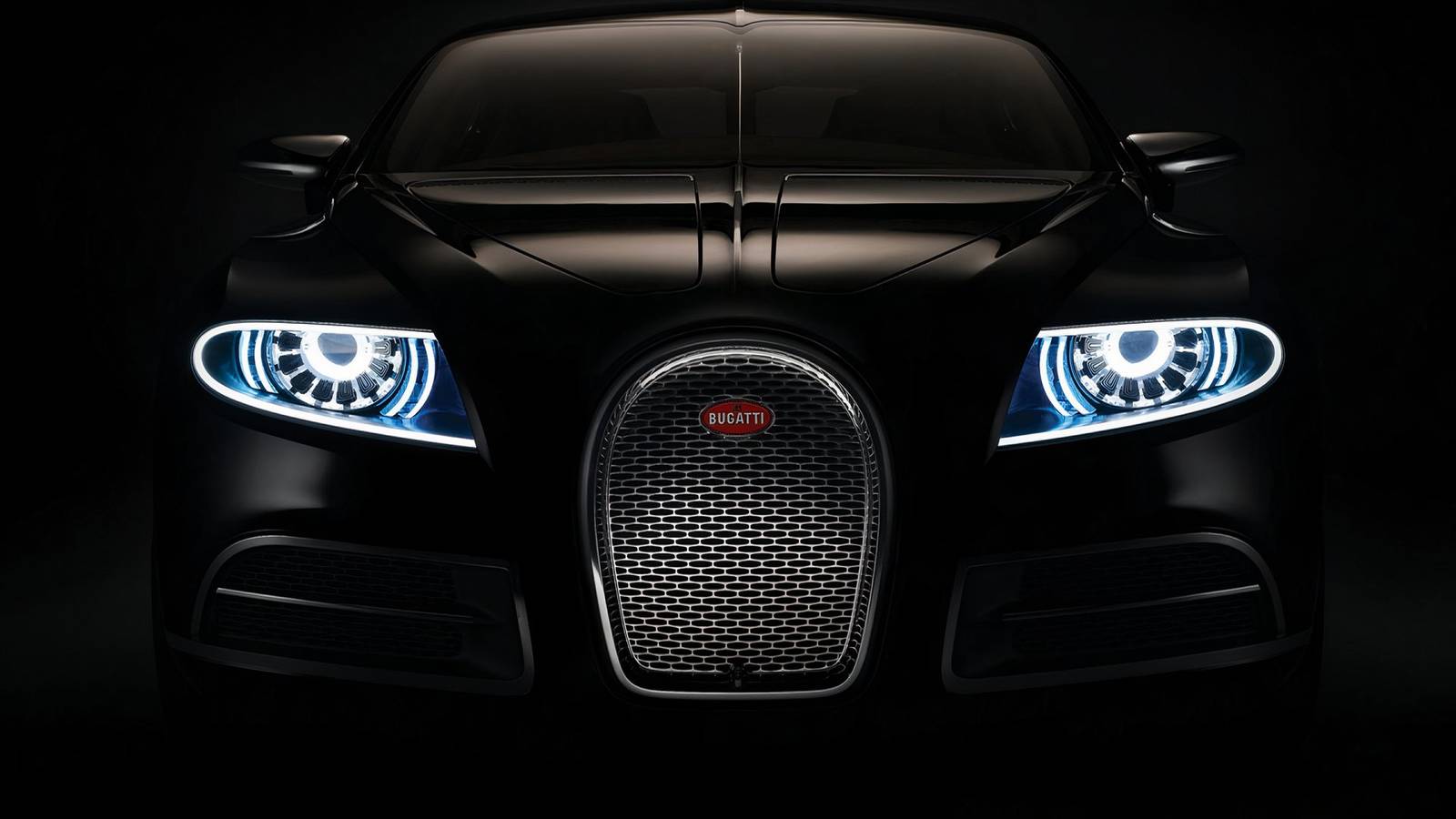
Rimac may use a Bugatti model for the first application of its high-tech solid-state battery (SSB), according to Nurdin Pitarevic, the second-highest-ranking executive at the automaker behind CEO Mate Rimac. Pitarevic told Autocar his “wish would be” that a new mid-volume Bugatti model is the first product to use the company’s revolutionary SSB.
Before this quote, we would have bet Rimac’s first application of its SSB technology would find its way into the next-generation version of its electric hypercar, the Nevera. That said, since taking control of Bugatti back in 2020, Rimac has already introduced a small degree of electrification to the brand. Its next-generation hypercar, the Tourbillon, is powered by a naturally aspirated V-16 engine and three electric motors that produce a combined 1,800 horsepower. If Pitarevic has his wish, this car could have a new stablemate with an all-electric powertrain that employs the world’s most advanced battery.
What’s So Great About SSB?
Rimac debuted a prototype of its solid-state battery technology at this year’s Munich’s IAA Mobility 2025. The battery pack boasts impressive specs thanks to the inherent benefits of SSBs compared to today’s lithium-ion batteries. In general, it’s lighter, safer, faster, and more energy dense than current battery technology. And while most companies are still in the lab-testing phase with SSB technology, Rimac has already shared a timeline that will see its SSB on the road sometime around 2030.
Rimac has been working with ProLogium and Mitsubishi Chemical Group to develop its SSB. The battery pack they showed in Munich weighed just 847 pounds and had a power density of 1,000 watts per pound, compared to around 800 watts per pound for today’s EVs. The company also claims its SSB will retain 95 percent of its energy at -7 degrees Farenheit, which today’s batteries can’t hope to match, even with expensive and complicated thermal management systems. Finally, Rimac’s SSB will be safer, particularly from the threat of fire or explosion, thanks to its use of solid electrolytes instead of more volatile liquid electrolytes that are used in lithium-ion batteries.
Bugatti has been a single-model automaker for a long time now. It has a tradition of putting all of its expertise into one vehicle, making it as superlative as possible. We could see that tradition ending around 2030 with the introduction of a second, SSB-powered all-electric Bugatti that joins the Turbillon in the trenches. Out of all the automakers racing to make SSB a production reality and commercial success, Rimac strikes us as one of the safer bets considering what it’s done with the Nevera.
TopSpeed’s Take
There’s never been a rags-to-riches tale in the automotive industry like Rimac. It attracted major automaker interest at just the right time when the industry was going bananas over electrification and managed to convert that into major investments by the Volkswagen Group and complete control over the Bugatti brand. It now appears to be the tip of VW Group’s sword when it comes to electrification, working on projects with the highest risk and highest reward.
Compare that to Rivian, another electric automaker startup that’s received a major investment from VW Group. Rivian is working on next-generation software architecture for mass-produced EVs from VW’s brands. While important and fundamental, this is something Rivian has already mastered with its own products and is doing for VW in exchange for money that will fund its critically important, more affordable models. Rimac, however, makes hypercars, and an SSB-powered Bugatti is exactly the kind of product that would get us up in the morning and excited to go to work.
Source: Autocar
Read the full article here


