


BMW has knocked out some incredible engines over the years, from small marvels like the M10 four-cylinder that helped pull the company out of financial strife in the ’60s, through scintillating performance engines like the S52 straight-six and S85 V10, to the majestic, whisper-quiet V12s that power the modern generation of Rolls-Royces.
It’s no wonder, then, that other manufacturers have long turned to the Munich company when they don’t have an engine of their own that fits their requirements. Nearly every enthusiast knows about the S60 V12 that powered the McLaren F1, or that the beloved B58 straight-six propels the Toyota GR Supra (although there’s a lot more BMW to that car than just the engine), but that’s just scratching the surface. Here are 10 somewhat more surprising places BMW engines have wound up.
Ineos Grenadier
Ineos Grenadier
We’ll start with moderate levels of surprise, as if you’ve been paying attention to the car world over the last few years, you probably already know that the rufty-tufty Ineos Grenadier 4×4 uses BMW power. Although built by a UK company and unashamedly inspired by a British icon in the form of the original Land Rover Defender, the German engines are part of a very pan-European effort that also includes the car being co-engineered by Magna-Steyr in Austria and produced in the old Smart factory in France.
Available are the superb B58 3.0-litre turbocharged petrol straight-six – the same motor found in the GR Supra – as well as the B57, an engine of the same configuration but diesel-fuelled.
Loads of Morgans
Morgan Plus Four
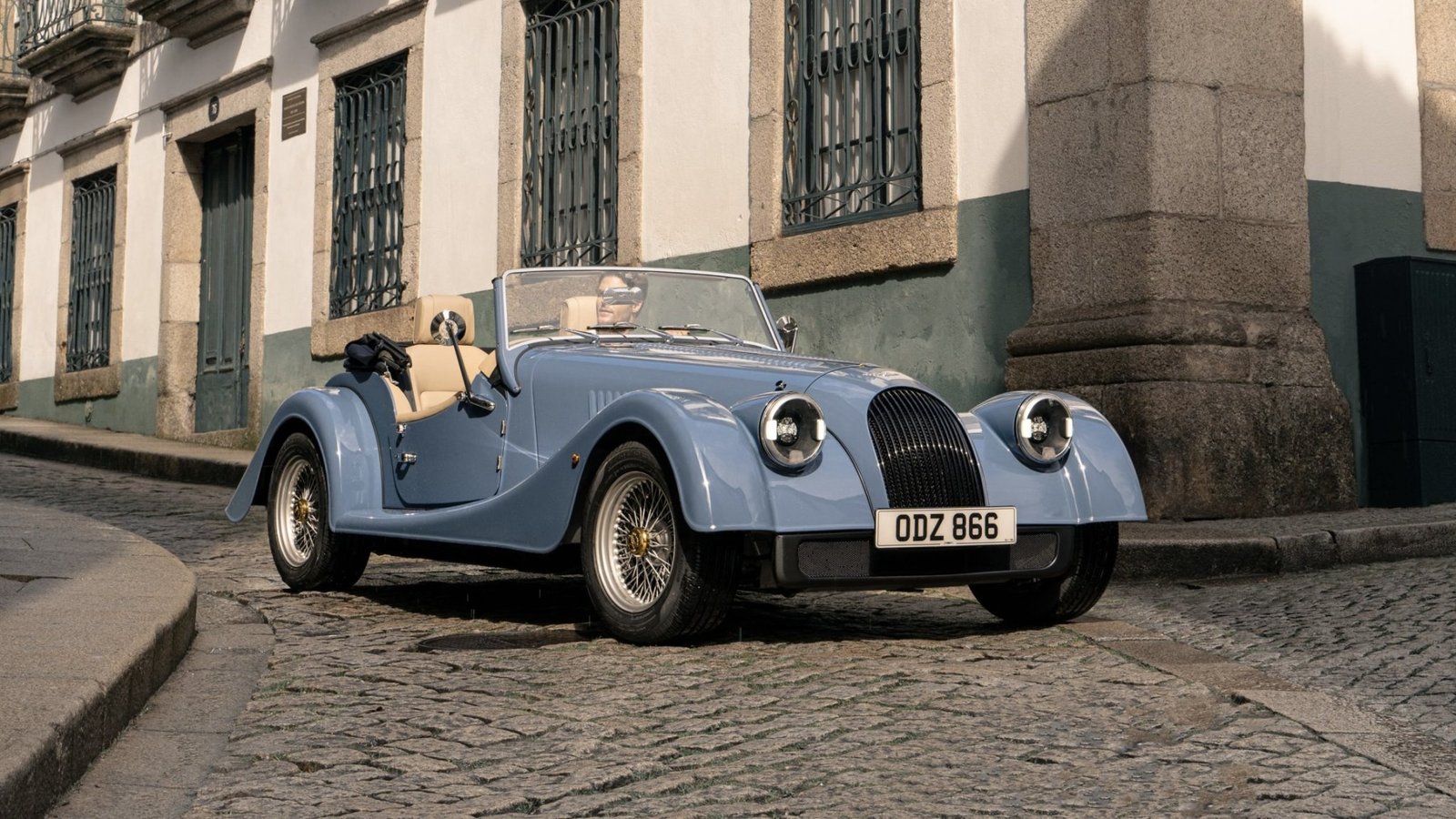
Speaking of very British cars, they don’t get much more tea-and-crumpets than Morgan, but the Worcestershire company’s long association with BMW power is no secret. The partnership goes back to 2000’s cross-eyed Aero 8, the first crack at a sports car putting a modern spin on Morgan’s trad styling.
That car used the 4.4-litre M62 V8, with subsequent versions getting other BMW eight-pots. The 2019 launch of the Plus Six saw the company adopt that widely used B58 turbo straight-six, and since the 2020 relaunch of the Plus Four with a B48 four-cylinder, four-wheeled Morgans have exclusively used BMW engines – although the three-wheeled Super 3 sources its motor from Ford instead.
Rover 75
Rover 75
We promise this entire list won’t just be British cars, but it really is remarkable how many UK car makes have used BMW power over the years – not least because it’s owned Mini and Rolls-Royce for a long time now.
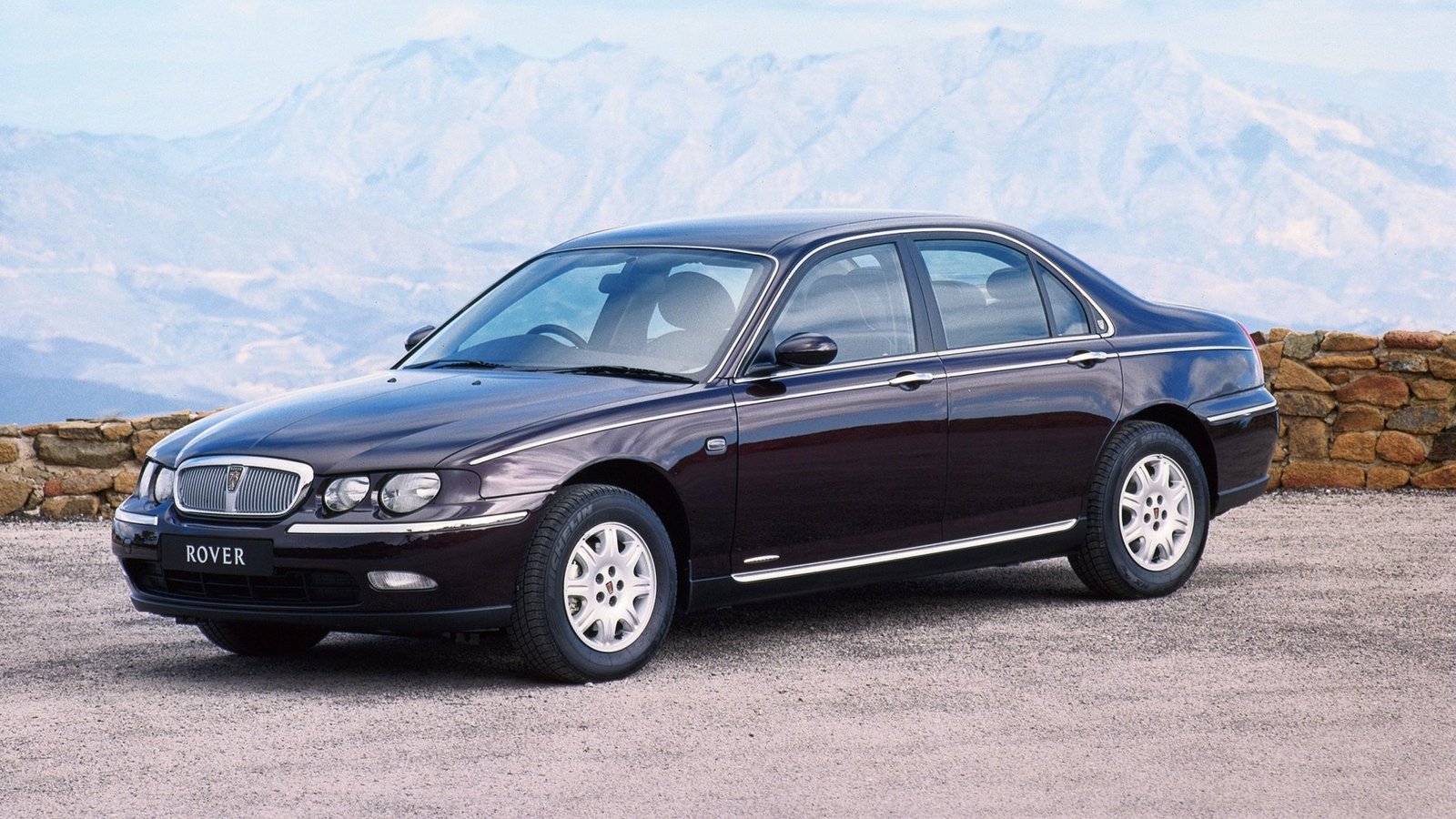
Truthfully, it’s not all that surprising that 1998’s retro-styled Rover 75 used a BMW engine, given that BMW also owned Rover when it was developed. In fact, given that ownership, it’s perhaps more surprising it didn’t use more BMW engines. All the petrol engines were Rover’s own units (except the Ford-sourced V8), but with a diesel needed to complete the range and without a suitable oil-burner of its own, the Birmingham company made use of an updated version of BMW’s 2.0-litre M47 four-cylinder, a motor that also found its way into the original Land Rover Freelander.
Vauxhall Omega
Vauxhall Omega Estate
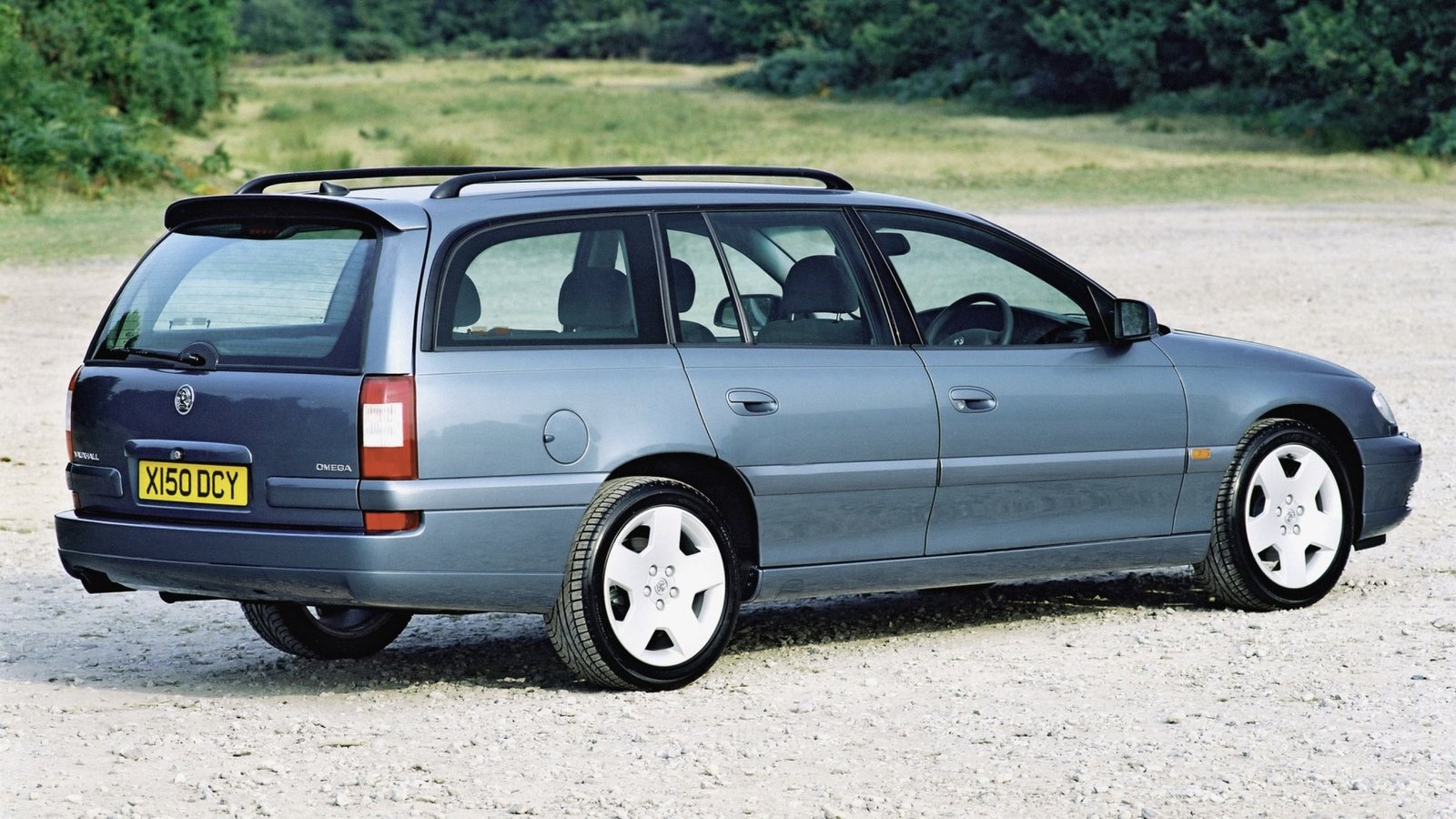
The 75, though, wasn’t the only wafty turn-of-the-century exec saloon to look to BMW as a source of diesel power. For 1994’s Vauxhall Omega – the second-generation Opel Omega in mainland Europe – General Motors wanted a six-cylinder diesel engine to help push the model a little more upmarket.
Without a six-pot oil-burner of its own anywhere in its stable, it borrowed BMW’s 2.5-litre M51 turbodiesel straight-six. The 1999 facelift saw it replaced with the more powerful, torquier M57. Both were given their own GM engine codes, but this was the only attempt to hide that they came not from a different German brand to the one the car was badged under in Europe.
Lincoln Continental Mark VII
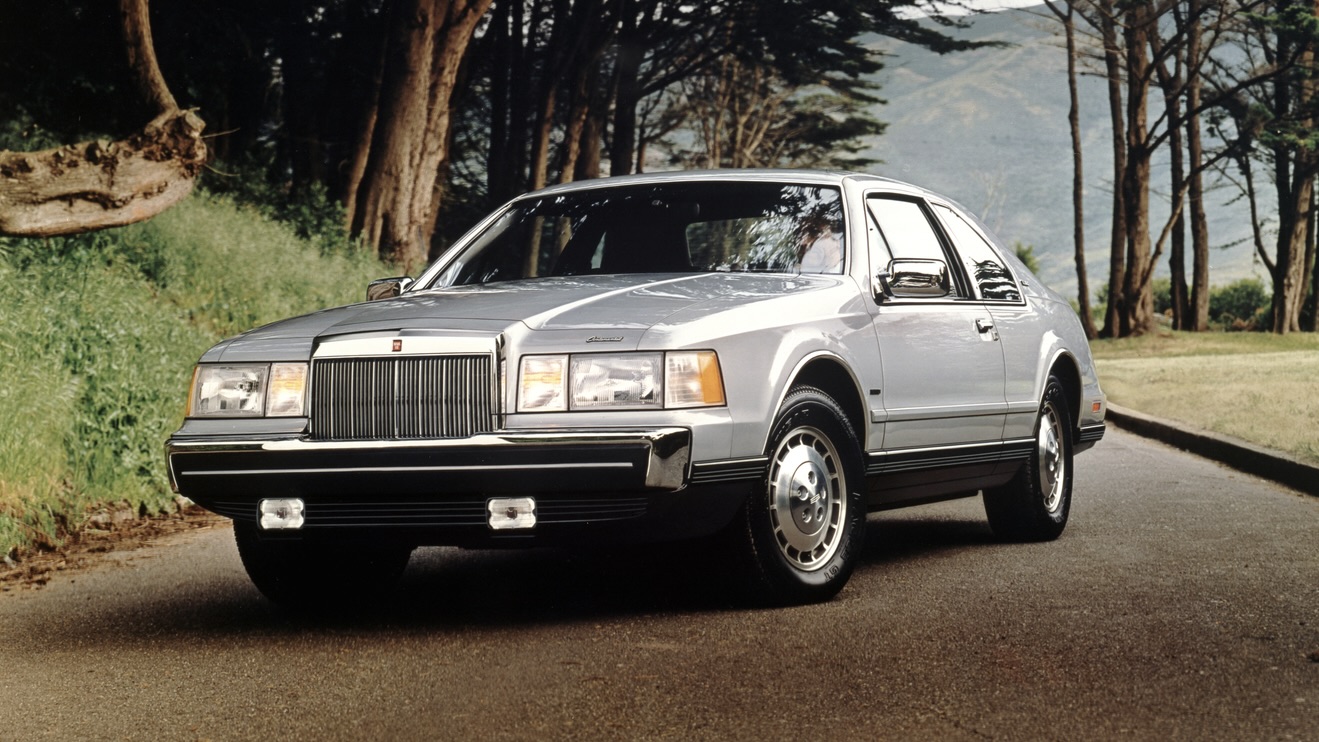
Lincoln Continental Mark VII
Outside of massive pickups and actual trucks, diesel has always been a bit of a fringe engine choice in the US, but American companies have flirted with the fuel for their passenger cars a few times in the past. They included Ford’s upmarket division, Lincoln, which wanted a more fuel-efficient engine to sit alongside the big petrol V8 offered in the Continental Mark VII coupe.
Ford struck a deal to fill this role with BMW’s 2.4-litre M21 turbodiesel straight-six. Marketing material made mention of the Mark VII’s ability to take on Mercedes and BMW, skirting around the fact that one of those very companies supplied its ‘European-designed’ diesel engine. Unsurprisingly, the number of American buyers that wanted a big luxury coupe with an oil-burner was negligible, and the engine was dropped in 1985 after just two years on sale.
Land Rover Defender
No, not the modern Land Rover Defender, which uses BMW’s latest twin-turbo V8 in ridiculous desert racer Octa form. We’re talking about the long-lived original Defender, most commonly found with one of a number of clattery diesel engines or an underpowered Rover V8.
When that V8 was being phased out in the late ’90s, though, the South African market was still hungry for a gutsy petrol-powered Defender. With BMW owning Land Rover at that point, Munich’s 2.8-litre M52 straight-six was borrowed and paired with a five-speed manual. Its 192bhp output was similar to that of the old V8s, but the engine offered significantly more refinement and better economy, making the 656 South African Defenders fitted with it between 1997 and 2001 holy grails among Defender fanatics.
Bentley Arnage
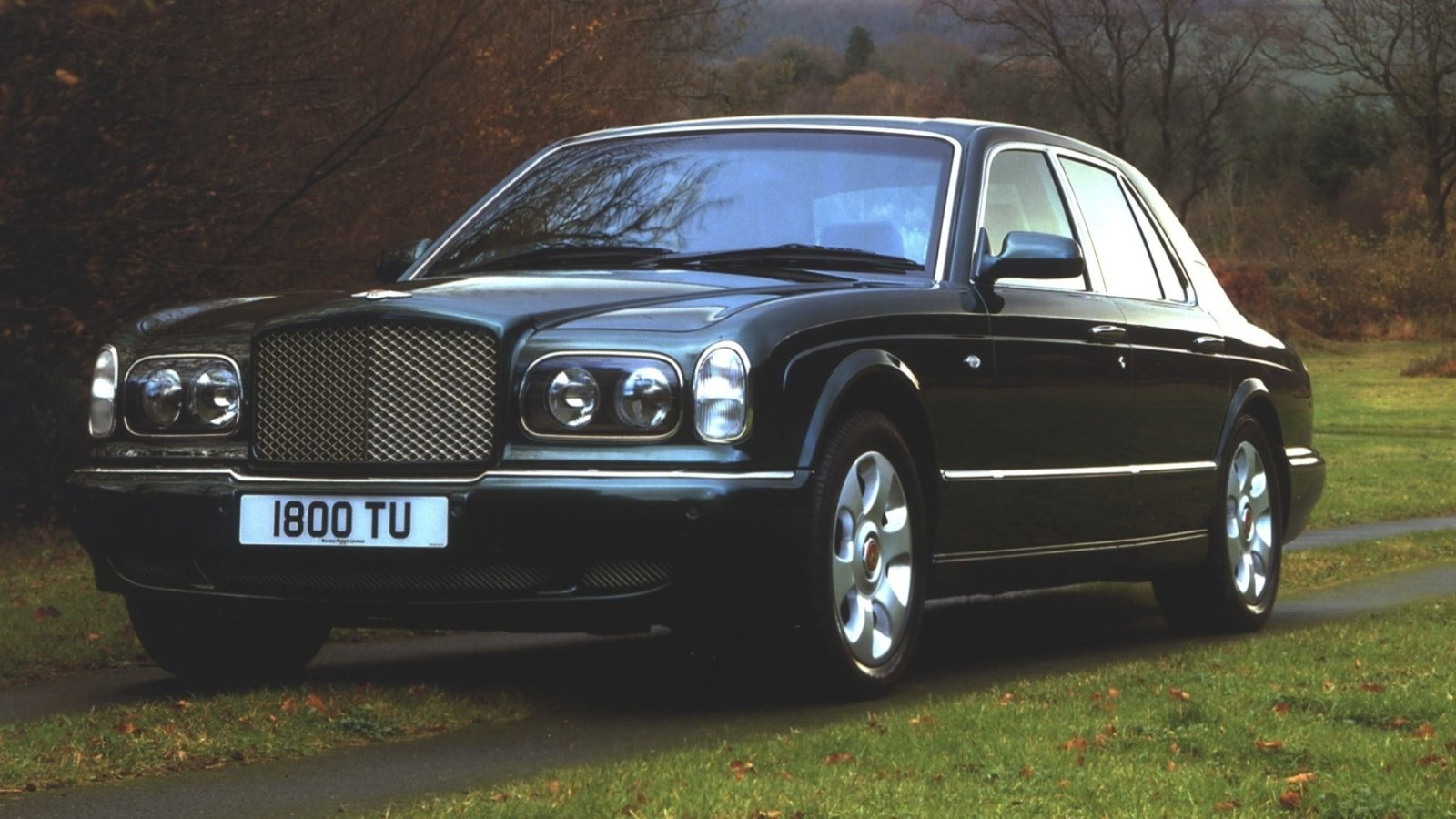
Bentley Arnage
The Bentley Arnage was born during a turbulent period for the storied brand. It was the final model developed when both Bentley and Rolls-Royce were owned by British engineering conglomerate Vickers, which had struck a deal with BMW to supply engines to the Arnage and its Rolls sibling, the Silver Seraph. The Bentley got a 4.4-litre M62 twin-turbo V8, and the Rolls a 5.7-litre M73 V12.
However, in 1998, right as the Arnage was launching, an ailing Vickers announced its plans to sell both brands, leading to a protracted bidding tussle between Volkswagen and BMW. The immediate result for the Arnage was that VW ended up manufacturing a car with an engine sourced from long-time rival BMW.
That evidently wouldn’t do, and after just two years, the BMW-powered Arnage was phased out, replaced by an uprated version of Bentley’s already-ancient 6.75-litre V8, a move that was a firm step backwards technologically, but undoubtedly restored some Bentley-ish character to the car.
Bertone Freeclimber
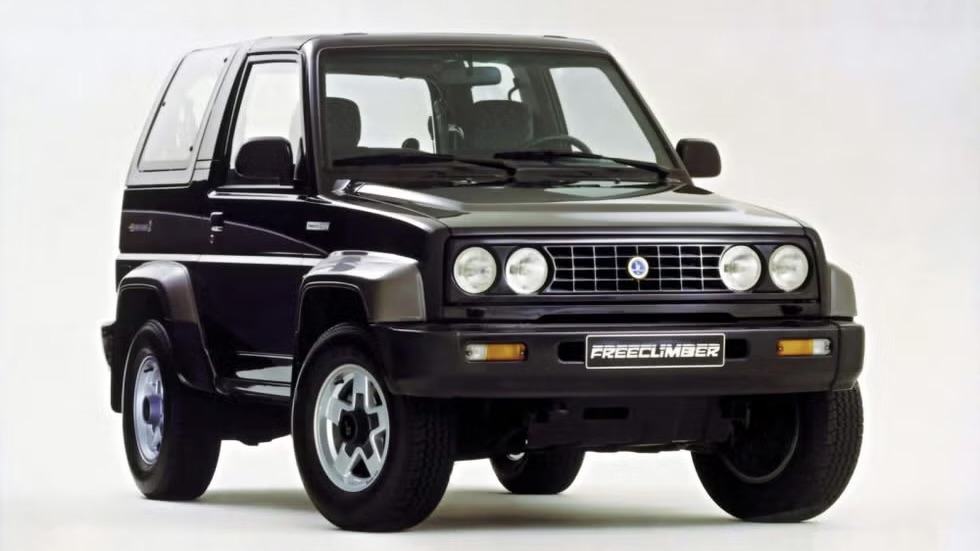
Bertone Freeclimber
This one’ll take some explaining. Remember the Daihatsu Fourtrak, the rugged little 4×4 that was once a dependable favourite among British farmers but that’s now all but disappeared from our roads? Well, over in mainland Europe, a (slightly) more upmarket version was assembled near Turin by storied Italian design house/occasional contract manufacturer Bertone, and sold as the Bertone Freeclimber.
This was already a bizarre concoction, made bizarre-r by the fact that Bertone got rid of the reliable but unrefined Daihatsu engines fitted to the original and replaced them with a range of BMW straight-sixes – the M20 petrol or M21 turbodiesel. So, a rugged Japanese 4×4 bearing the name of, and built by, a vaunted Italian carrozzerie and powered by the engine from a German executive saloon. Got it?
Rayton-Fissore Magnum
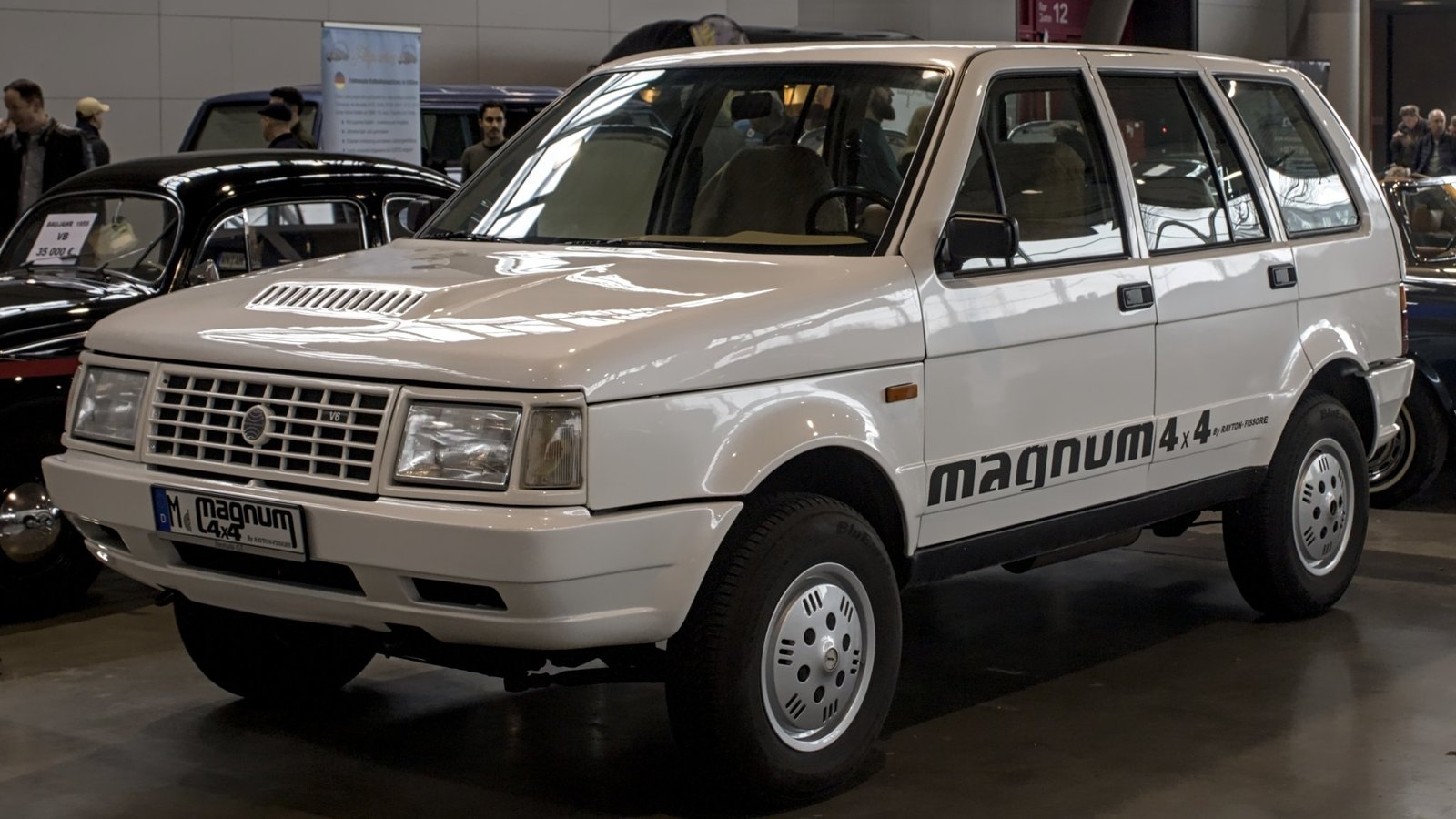
Rayton-Fissore Magnum
If it’s obscure Italian 4x4s with BMW power you’re into, though, they don’t come much more obscure than the Rayton-Fissore Magnum. An early attempt by lesser-known Italian coachbuilder Fissore to break into the burgeoning ’80s luxury 4×4 market, the Magnum was based on an Iveco truck chassis and somehow stayed in production between 1985 and 2003 without anyone really noticing. About 6,000 were built, a little over a sixth of which were sold in the US under the mononymous Laforza badge.
At one point during its long and confusing life, the Magnum/Laforza could be ordered with BMW’s long-lived M30 straight-six – just one engine in a car that, at various points, was also powered by a supercharged Fiat four-cylinder, an Alfa Romeo V6, both Ford and GM V8s and a range of diesels from whatever suppliers Fissore could find.
Image: Alexander Migl, CC BY-SA 4.0
De Tomaso Guarà
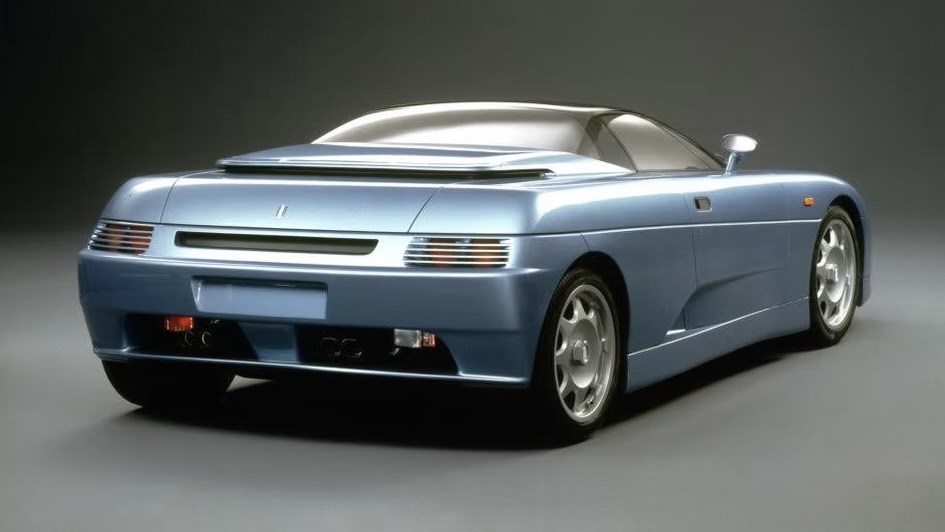
De Tomaso Guarà
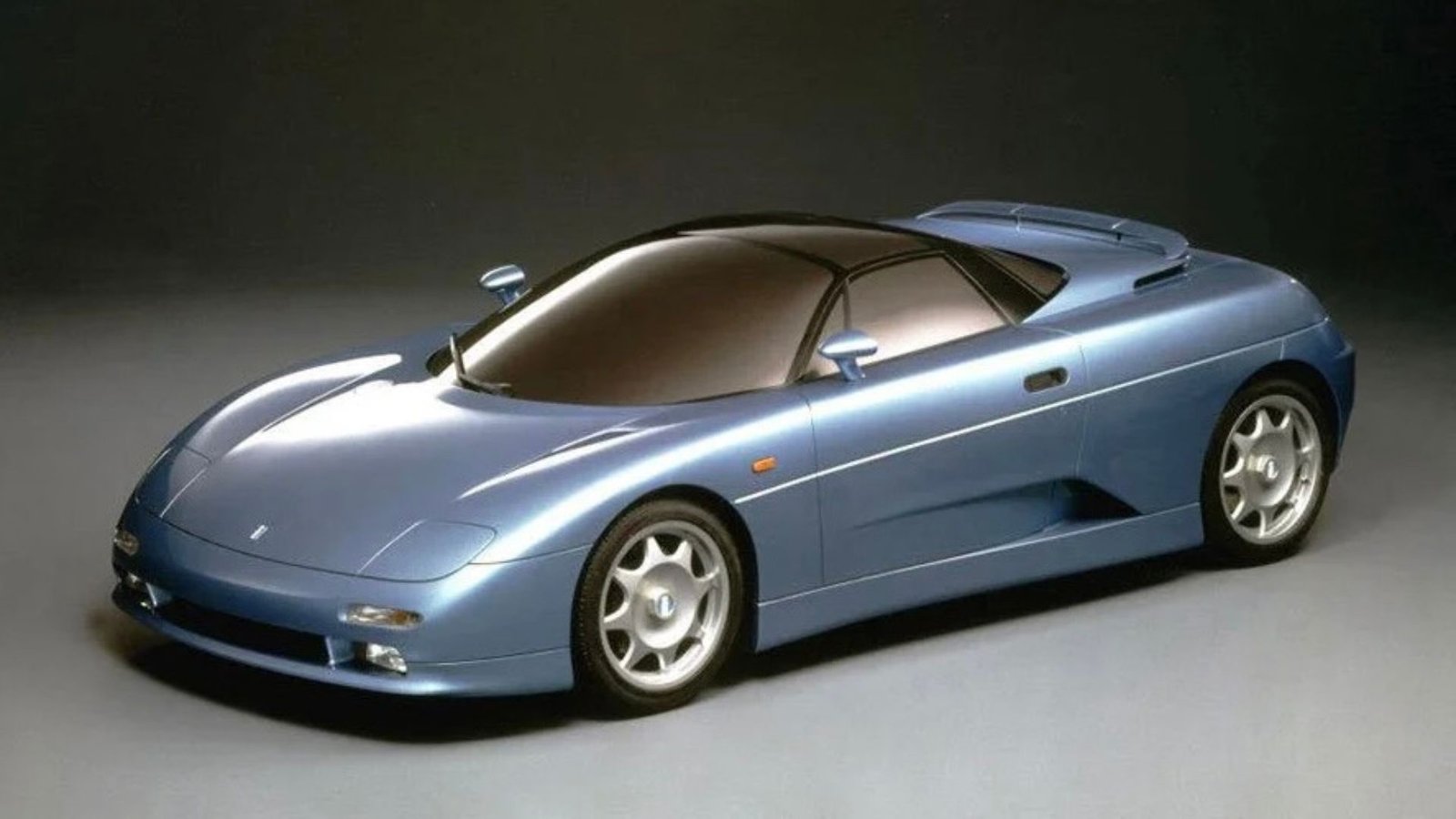
One of the final models to be sold by the original iteration of enigmatic Italian sports car maker De Tomaso, the 1993 Guarà was based on an earlier Maserati racing car called the Barchetta. Named after a South American wild dog and available as a coupe or roadster, the mid-engined model deviated from De Tomaso’s long association with Ford V8’s by switching to BMW power.
The engine in question was the 4.0-litre M60 V8, also found in the contemporary 5, 7 and 8 Series and producing 282bhp. However, cost concerns led to De Tomaso ditching the BMW motors in 1998 and going back to its original supplier, fitting a heavier and less refined but cheaper and gutsier Ford Mustang V8, after just a handful of BMW-powered Guaràs had been built.
Read the full article here