


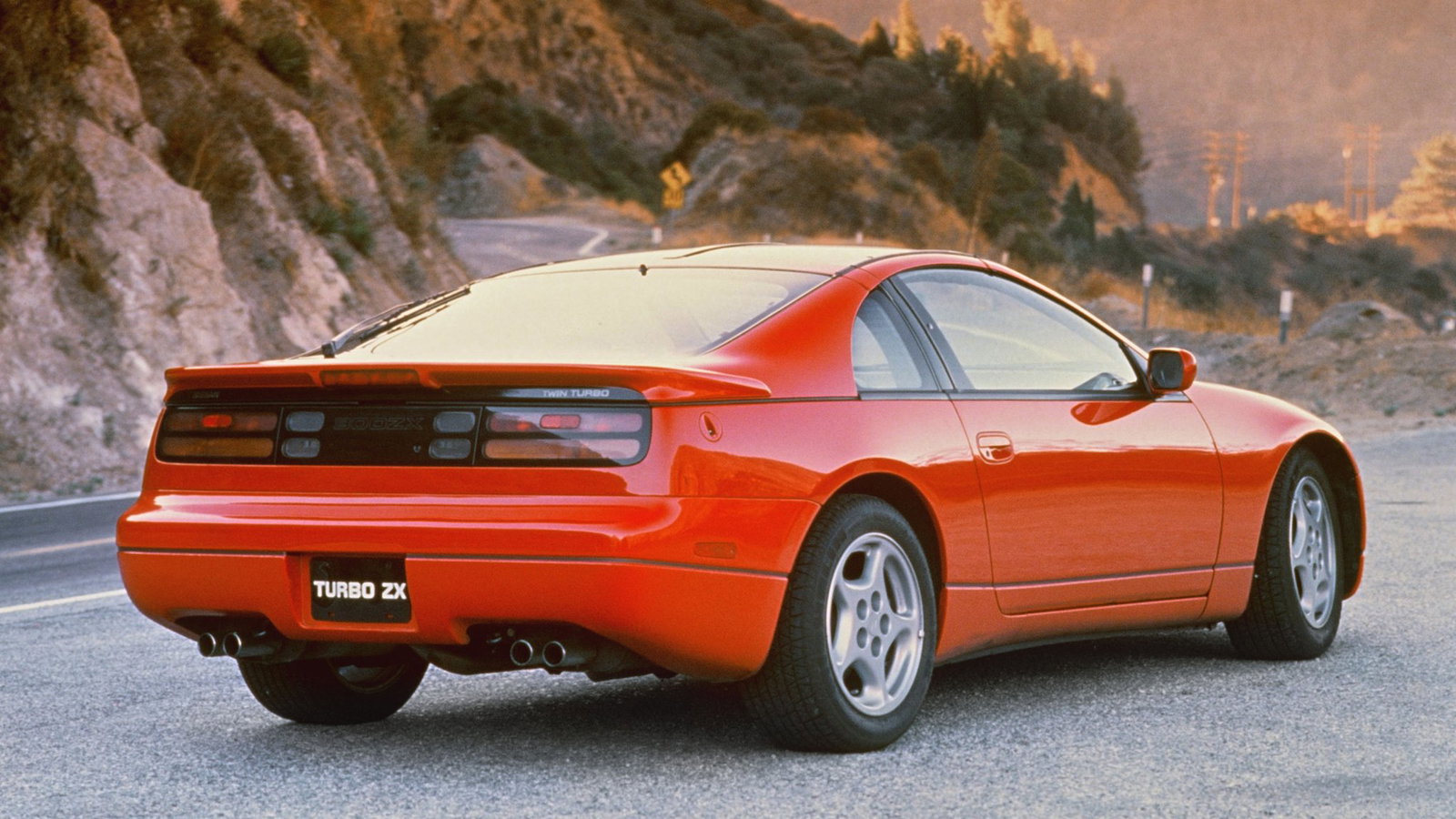
Some cars don’t really do anything wrong. They can be fast, interesting, good-looking and genuinely brilliant to drive – yet still end up spending their lives being compared with something else. Usually, that “something else” happens to wear the same badge.
That’s what happened to the cars below. Whether they were overshadowed by a motorsport legend, a more powerful performance model or simply a car that became far more significant, all eight deserved a little more attention than they got.
Toyota Celica GT-Four
Toyota Celica GT-Four
Mention a fast Toyota from the 1990s and there’s a very good chance the Supra is the first car that comes to mind. Indeed, the Mk4 Supra became a tuning icon, a film star and, eventually, one of the most sought-after Japanese performance cars of its era. Sitting alongside it, though, was something arguably even more interesting.
The Celica GT-Four combined a turbocharged four-cylinder engine with four-wheel drive and serious rally pedigree. Toyota developed the car to go after the World Rally Championship and road-going versions inherited much of that character. The ST185 and later ST205 in particular remain seriously desirable machines.
It never had the Supra’s straight-six soundtrack or rear-drive drift appeal, but the GT-Four was arguably the more purposeful performance car. Today, it feels like one of Toyota’s great overlooked heroes.
Nissan 300ZX
Nissan 300ZX
Much like Toyota and the Supra, the Nissan Skyline GT-R casts an enormous shadow over just about every other performance Nissan. Between its motorsport success, iconic RB26 engine and later fame in video games and films, the GT-R became the Nissan car people wanted.
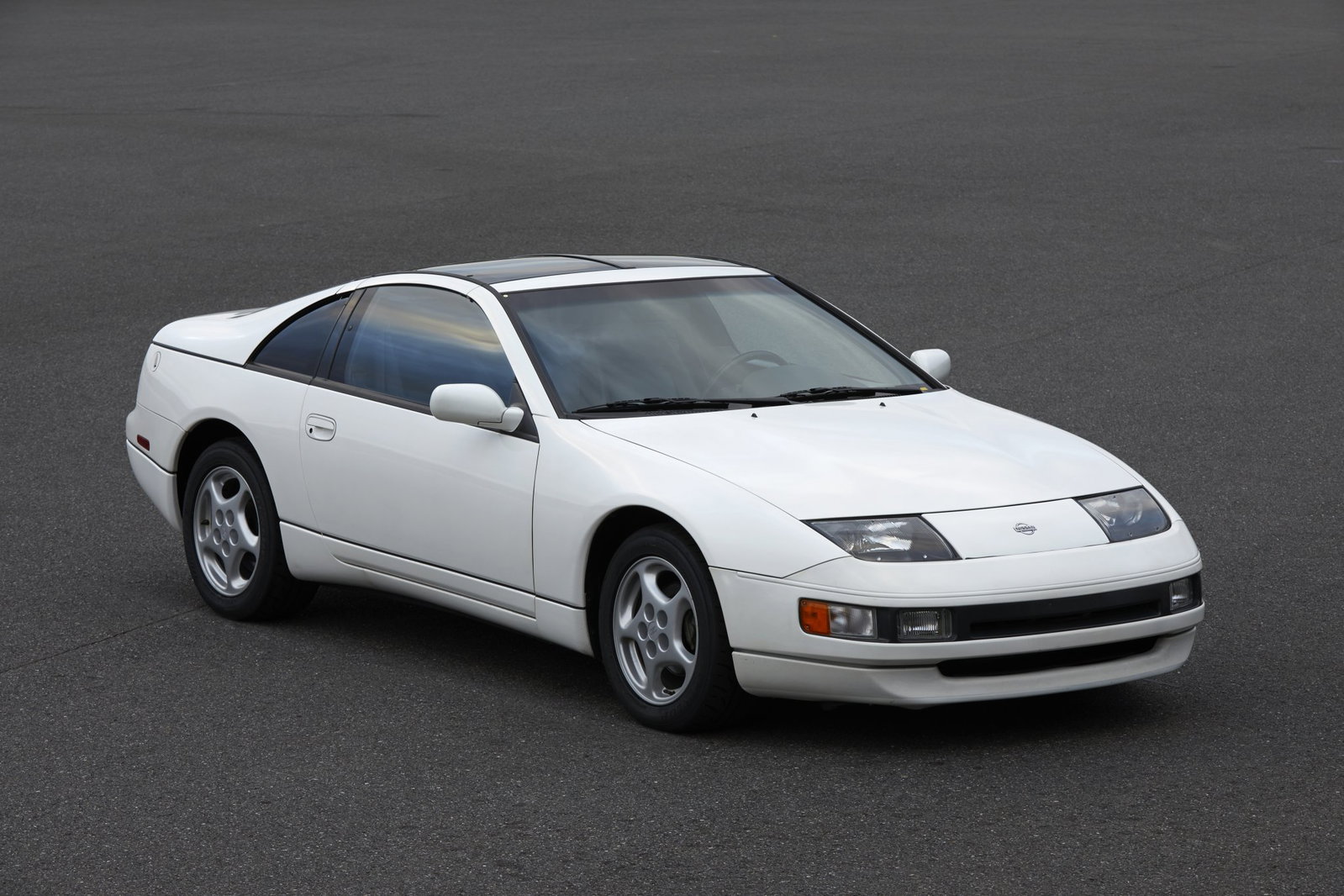
And all that is slightly unfair on the 300ZX. The Z32 generation looked genuinely futuristic when it arrived, with a low, wide body and a twin-turbocharged 3.0-litre V6 in its most potent form. It was quick, sophisticated and packed with technology for the period.
The 300ZX also had a completely different personality from the Skyline. It was more of a fast grand tourer than a homologation-flavoured road racer, but that didn’t make it any less special. Had the R32 and R33 GT-Rs never existed, we’d probably talk about the 300ZX far more often.
BMW Z4 M Coupe
BMW Z4 M Coupe
BMW M cars of the 2000s had a slight problem, as the E46 M3 was so good that almost everything else was destined to be compared with it.
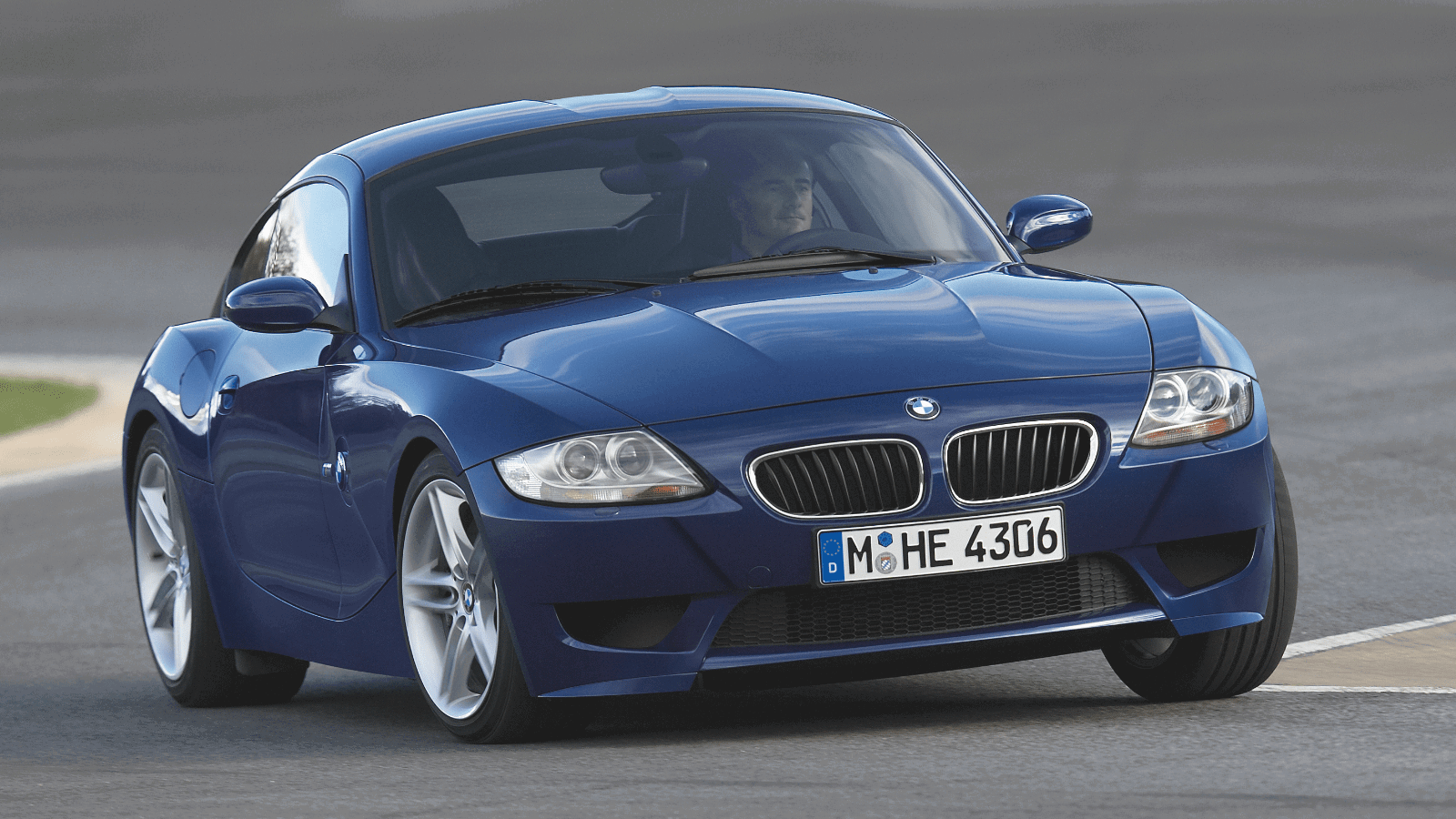
The Z4 M Coupe used much of the hardware enthusiasts loved about the M3, most importantly the naturally aspirated S54 straight-six. But it wrapped it in a much smaller, stranger-looking two-seat coupe with that distinctive long bonnet and compact rear end.
It was arguably less polished than the M3, but that was part of the attraction. The Z4 M felt raw, compact and slightly unruly in a way later BMW M cars didn’t. The M3 may have been the all-round masterpiece, but the rarer Z4 M Coupe was perhaps the more eccentric choice.
Audi S4
Audi S4
Being an Audi S model has never been easy once there’s an RS version sitting above you.
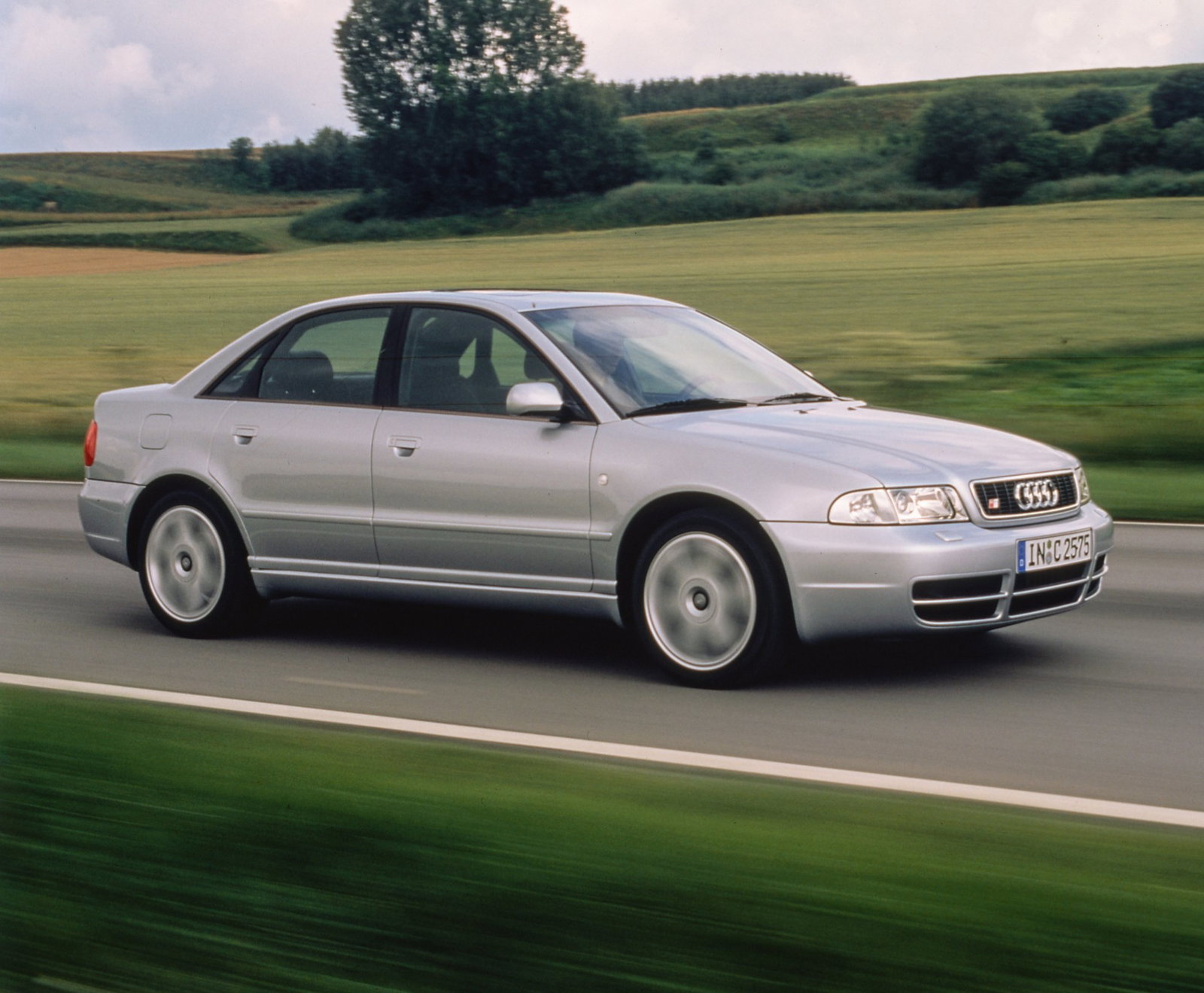
The S4 is probably the best example as across multiple generations, it has offered serious pace, understated styling, four-wheel-drive traction and enough everyday usability to make it a complete performance car. Yet enthusiasts inevitably skip straight past it and start talking about the RS4.
Which is understandable; the RS4 has given us some spectacular engines and some of Audi’s most memorable fast estates, after all. But the S4 often delivers most of the real-world experience for less money and with far less attention. If anything, its slightly anonymous appearance has always been part of its charm.
Alfa Romeo GT
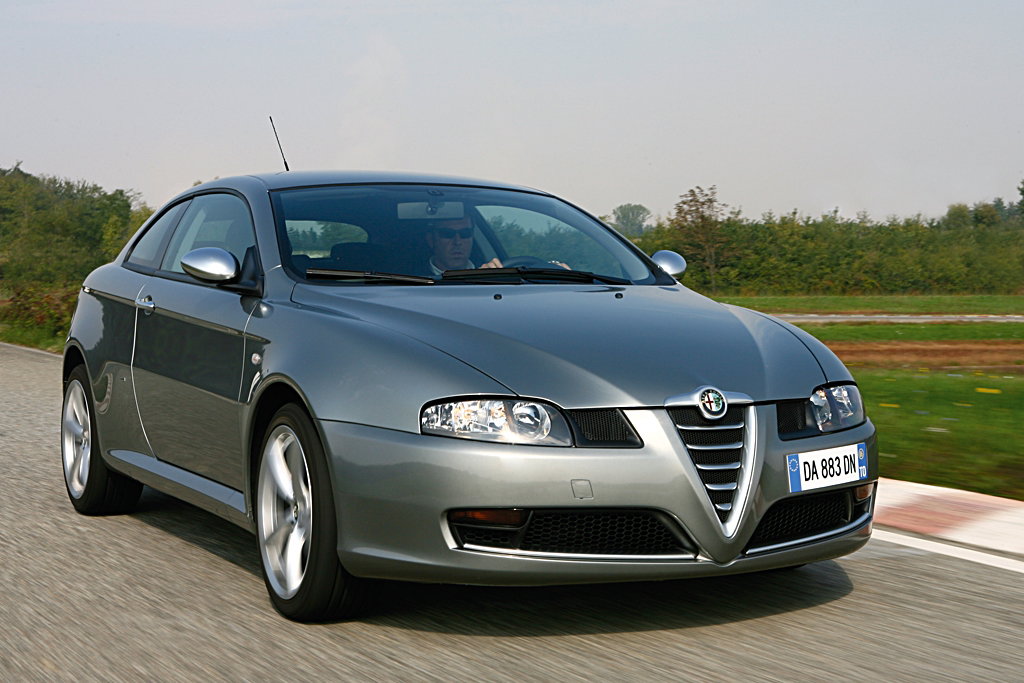
Alfa Romeo GT
The Alfa Romeo Brera had everything required to become the poster car of its era. It looked dramatic, had a fantastic name and started life as an even more spectacular Giugiaro concept.
The Alfa GT was much quieter about things, based around more familiar Alfa underpinnings and visually related to the 147 and 156 era – but it never generated quite the same excitement. Yet in many respects, it was the easier coupe to love.
It was handsome without trying quite so hard, offered genuinely useful space and could be had with Alfa’s wonderful Busso V6. The Brera remains the more instantly recognisable car, but the GT deserves far more credit as one of Alfa’s most appealing modern coupes.
Peugeot 106 Rallye
The problem with building the Peugeot 205 GTI is that everything you make afterwards has to live with it.
The 106 Rallye arrived in the shadow of one of the most celebrated hot hatches ever built. On paper it didn’t have much to compete with the increasingly powerful performance machinery of the Nineties either. That was rather missing the point.
The Rallye was all about keeping things simple and light. There was no obsession with luxury or huge power figures; the appeal came from a small naturally aspirated engine, low weight and a chassis designed to be enjoyed properly. The 205 GTI will probably always be the Peugeot hot hatch everyone remembers, but the little Rallye absolutely deserves to be mentioned in the same conversations.
Volvo S60 R
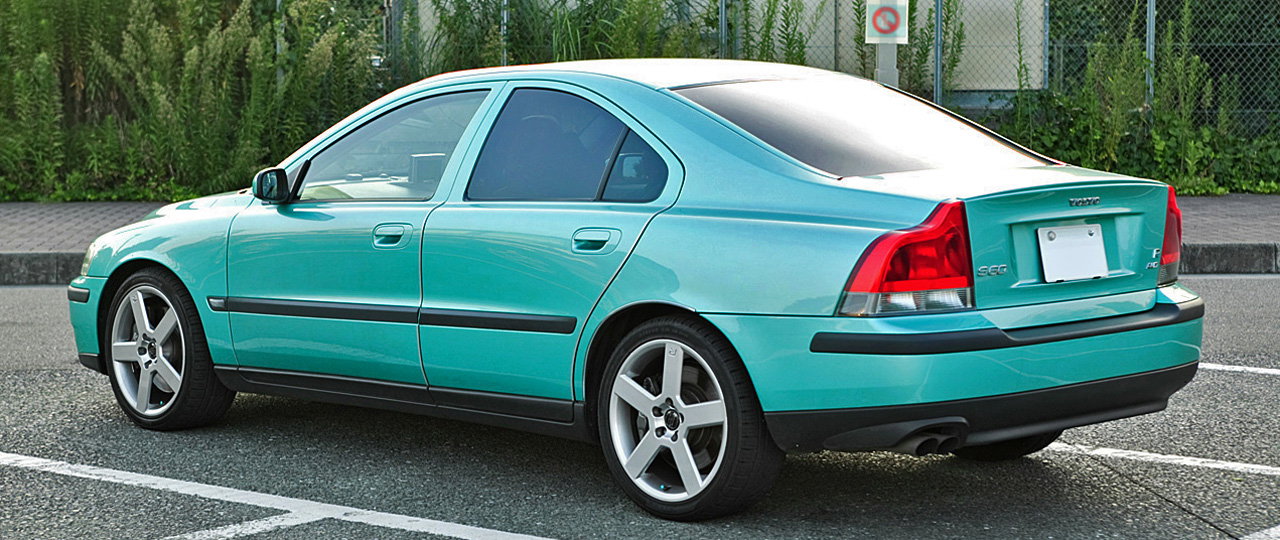
Volvo S60 R
Fast Volvo? Most people’s minds immediately go to an estate. Cars such as the 850 T-5R, 850 R and later V70 R helped establish the idea of an improbably rapid Volvo wagon – a reputation that became so strong that the saloons were often left in the background. That’s especially true of the S60 R.
The S60 R had everything you could want from an early-2000s performance oddball; a turbocharged five-cylinder engine, four-wheel drive, serious performance and wonderfully understated styling. The V70 R might have been the cooler choice because of its fast-estate credentials, but mechanically the S60 R was every bit as interesting.
Ford Puma
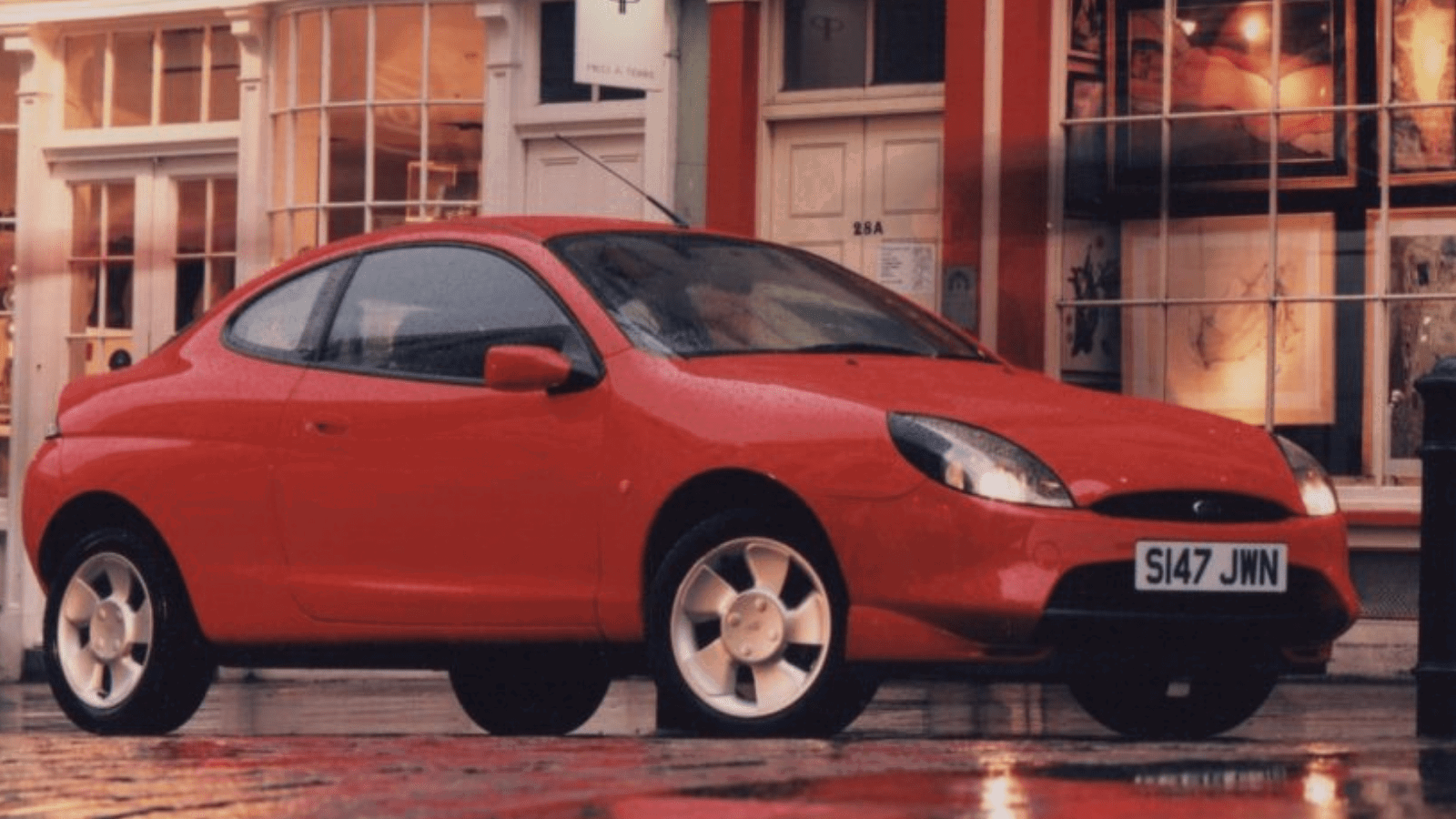
Ford Puma
The Racing Puma is now the one enthusiasts obsess over, thanks to its huge arches, rarity and more serious chassis – making it the ultimate version of Ford’s little coupe.
But the ordinary Puma was already a fantastic thing. Based on humble Fiesta foundations, it proved that you didn’t need huge power to build an entertaining driver’s car. It was light, compact, affordable and blessed with one of Ford’s best front-wheel-drive chassis of the era.
The Racing Puma may be the collectible one, but the standard car arguably matters more. Thousands of people got to experience a genuinely brilliant little coupe for normal-car money – and without it, the Racing Puma wouldn’t have existed in the first place.
Read the full article here