


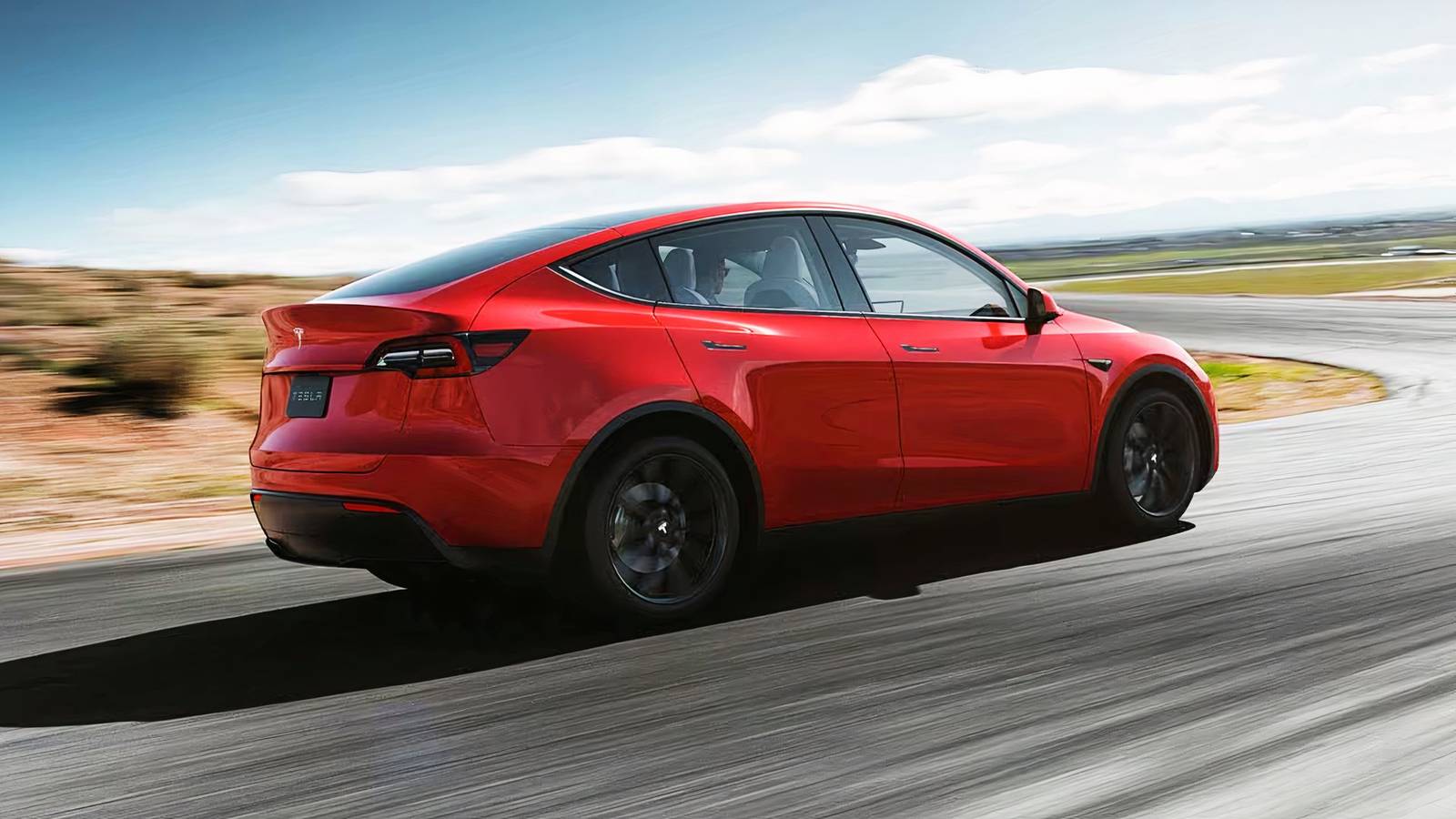
The Tesla name has never been synonymous with build quality, but a damning report out of Germany just comes right out and says it: the Model Y has terrible reliability. Technischer Überwachungsverein of Germany, or TÜV for short, has published its 2026 reliability report, which says the Tesla Model Y has a 17.3-percent defect rate for cars 2 to 3 years old. That’s the worst reliability rating TÜV has seen in the last 10 years.
TÜV is composed of several German organizations that evaluate the safety and quality of vehicles in the country; think of it like the Insurance Institute for Highway Safety (IIHS) in the U.S. It’s not a government organization, but its work is highly respected and thoroughly performed.
Just How Bad Is The Model Y’s Quality?
The 2026 reliability report from TÜV covers 110 vehicle models in the 2-to-3-year-old category. Doing so involves looking at around 9.5 million vehicles that underwent a mandatory technical inspection between July 1, 2024 and June 30, 2025 at TÜV service centers.
The number of electric vehicles in the report has grown, according to TÜV, with more included than ever before. In most cases, however, EVs performed quite well, most likely due to the fact they contain fewer moving parts than vehicles with internal combustion engines. The Mini Cooper SE, for instance, performed excellently with a defect rate of just 3.5 percent for 2-to-3-year-old examples. The Audi Q4 e-tron scored 4.0 percent, while the Fiat 500e managed 4.3 percent and the VW ID.3 reached 5.5 percent.
The Model Y, however, was the worst vehicle out of 110 models in the report. TÜV says complaints about the Tesla mainly centered on its suspension, brake discs, and lighting. The report indicates the extra weight of the battery pack in long-range EVs is tough on suspensions, and that the friction brakes on these cars are rarely used due to regenerative braking, which can lead to malfunctions.
The Model Y has company at the bottom of the list, too. Its stablemate, the Model 3 sedan, has been the worst ranked car by TÜV’s report for the last two years, but landed two spots ahead of the Model Y in this year’s report. Its defect rate was a disappointing 13.1 percent.
TopSpeed’s Take
For those wondering, the vehicle with the best overall defect rate in the 2026 reliability by TÜV is the tiny Mazda2. It managed a defect rate of just 2.9 percent of examples that had reached 2 to 3 years of age. How Tesla managed such a terrible defect rate with an electric car that’s significantly more expensive than Mazda’s mini is beyond our comprehension.
While Tesla’s reputation for quality generally aligns with TÜV’s findings, most people we know ding it for fit and finish issues in the cabin – squeaks and rattles. The fact that TÜV discovered mechanical issues with their suspension and brakes is a newer and more worrying trend.
Tesla’s sales and market share have been declining in Europe for some time. In Germany alone, Tesla sales have fallen 50 percent so far in 2025 compared to last year. Germany is apparently souring on Tesla, whether it’s because of the company’s controversial CEO, the strained relationship it has with the company’s Giga Berlin plant, increased competition from Chinese rivals, or now quality issues.
Source: CleanTechnica
Read the full article here