






Hot hatches: we’re a little bit obsessed with them. And why wouldn’t we be? From an enthusiast perspective, there’s not a lot better. You get a car that can do all the regular boring car stuff, and one that can still put a huge grin on your face, all in one go.
Sadly, the traditional hot hatch is a dying breed in 2026, but thankfully, the used market still offers up an abundance of hot hatch riches to suit all but the very tightest budgets. So, from the bargain basement to the sort of cash you might be dropping on a brand new Volkswagen Golf R, we’ve picked out four of our absolute favourite used hot hatches at every budget.
£2,500
Truthfully, this end of the market isn’t as teeming as it once was with bargain hot hatch brilliance. You know the deal: rising used car prices, a growing collector market, etc, etc. The wave of tiny pocket rockets the noughties brought, however, still offers up a few bargains, assuming you’re willing to look around and get your hands a little dirty if need be.
Suzuki Swift Sport (ZC31S)
Suzuki Swift Sport (ZC31S)
What is it? The hot version of the criminally underrated noughties Suzuki Swift, complete with a seriously racy little 1.6-litre engine that included goodies like forged pistons, high-lift cams, making for a handy 123bhp.
What’s so good about it? That engine, related to the one Suzuki used in the Swift S1600 rally car, loved to be revved. There were fewer compromises for daily use than other little hot hatches of this era too.
Any bad bits? We’ve covered them all in our buying guide, but in short: not many. Be prepared to shell out for 98 RON fuel if you want the best out of it, though.
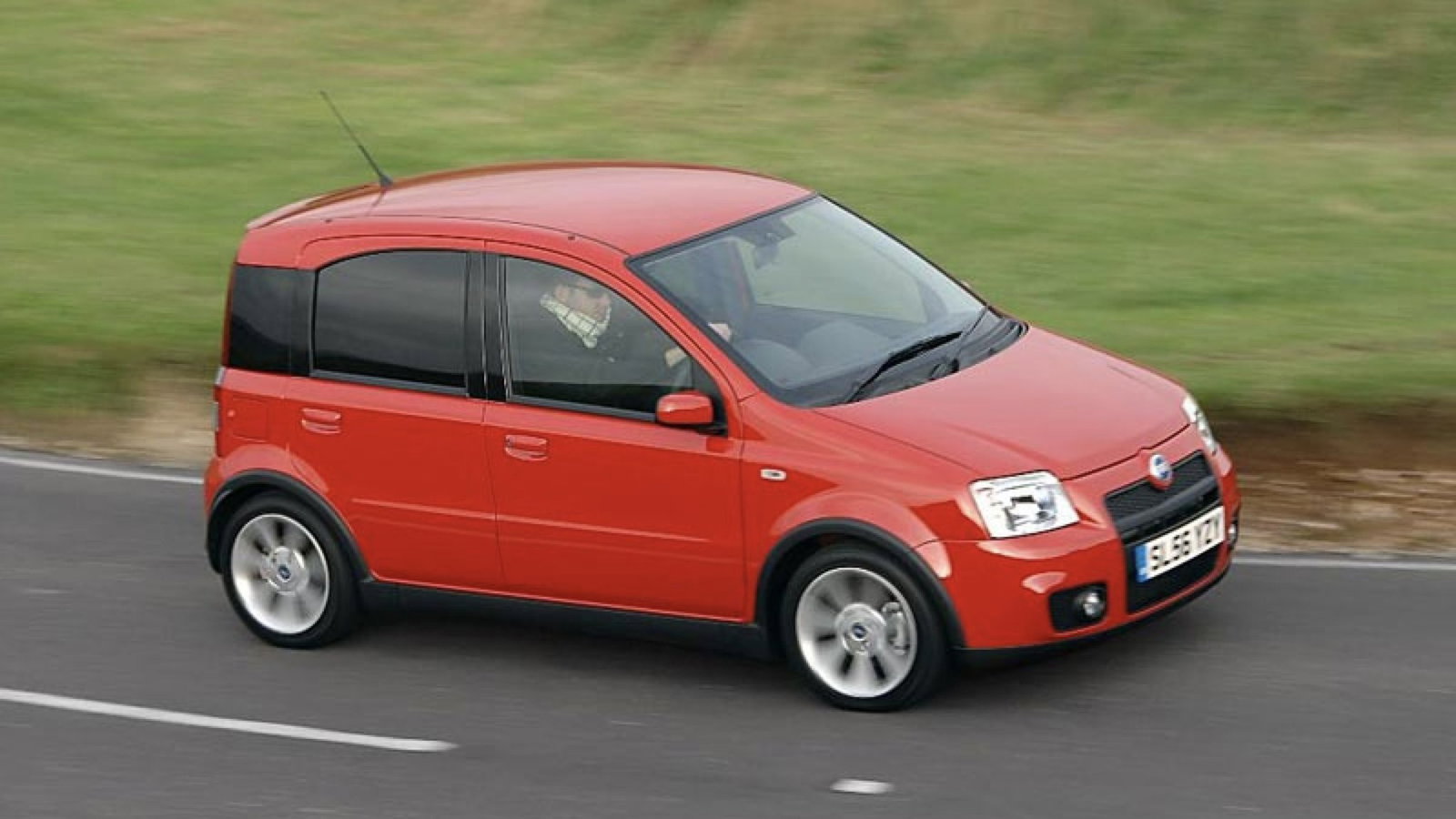
Fiat Panda 100HP

Fiat Panda 100HP
What is it? A Fiat Panda… with 100hp. Which is 99bhp in old money. That doesn’t sound like much, but with just 980kg to shift around and a revvy 1.4-litre engine, this chunky little funster loves to be driven the way its maker intended. That is, like an Italian.
What’s so good about it? As mentioned, the 100HP loves to rev. It got some remarkably serious modifications too, including all-round disc brakes and a sporty suspension setup, all of which made it an absolute bundle of joy to drive hard.
Any bad bits? Well, it’s a cheap Italian car, so interior quality isn’t the best. That sports suspension gave it a notoriously firm ride too. Reliability can be a mixed bag, but well cared-for cars shouldn’t give you too many headaches.
Ford SportKa
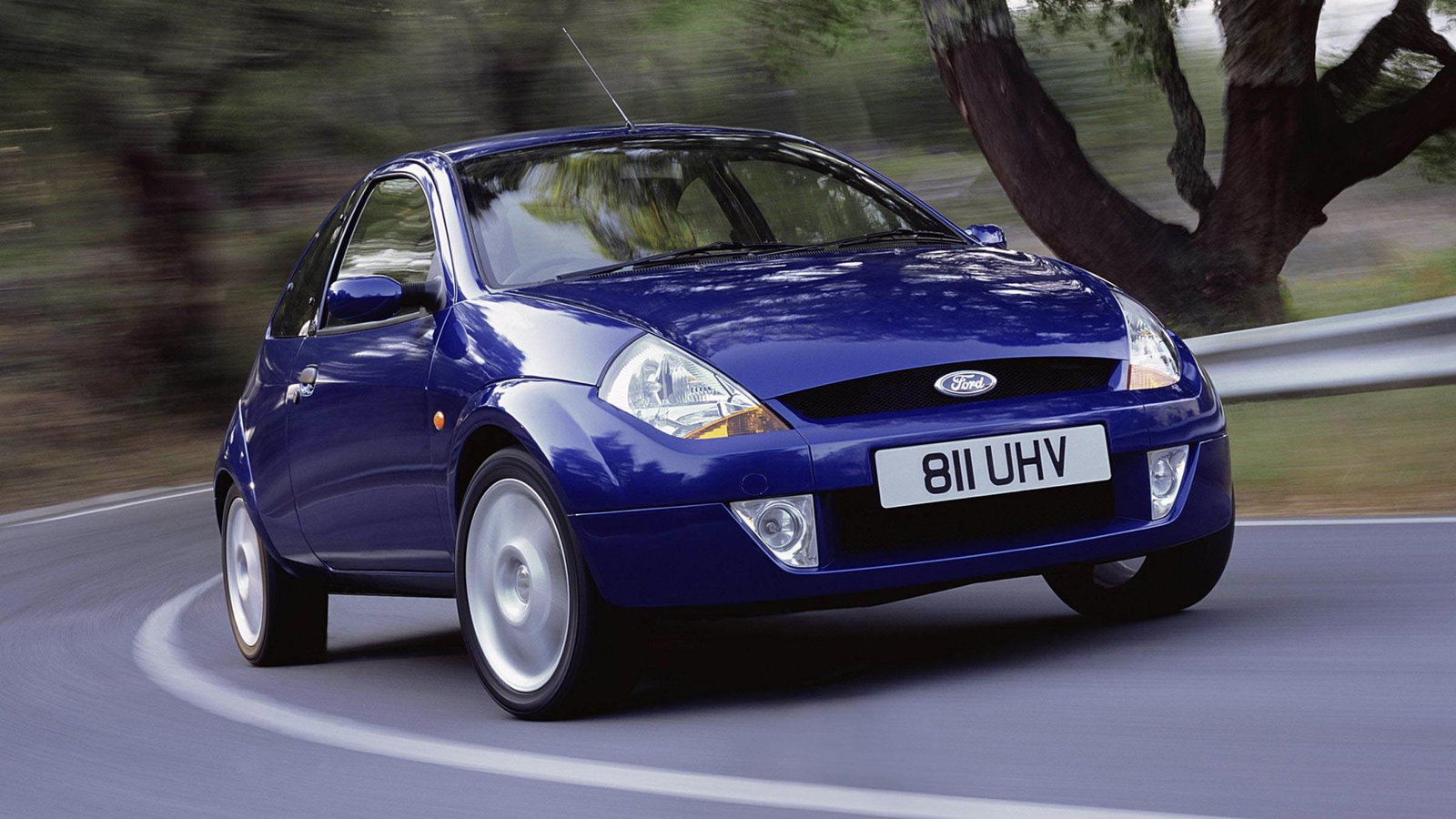
Ford SportKa
What is it? A car best remembered nowadays for some tongue-in-cheek TV ads that caught the attention of some animal rights activists. Also, a version of Ford’s rot-prone but otherwise brilliant first-gen Ka with a big 1.6-litre, 94bhp engine shoehorned under the bonnet.
What’s so good about it? The original Ka hailed from an era when Ford was pouring serious love into the dynamics of its cars, and the SportKa treatment, which involved buttoning down the suspension and fitting the gearbox from the Puma coupe, only improved things further.
Any bad bits? Rust, rust and more rust. This is the number one culprit for the dwindling numbers of Mk1 Kas on the road, SportKa included. Shame, because the rest of the package was generally pretty robust.
Citroen C2 VTS
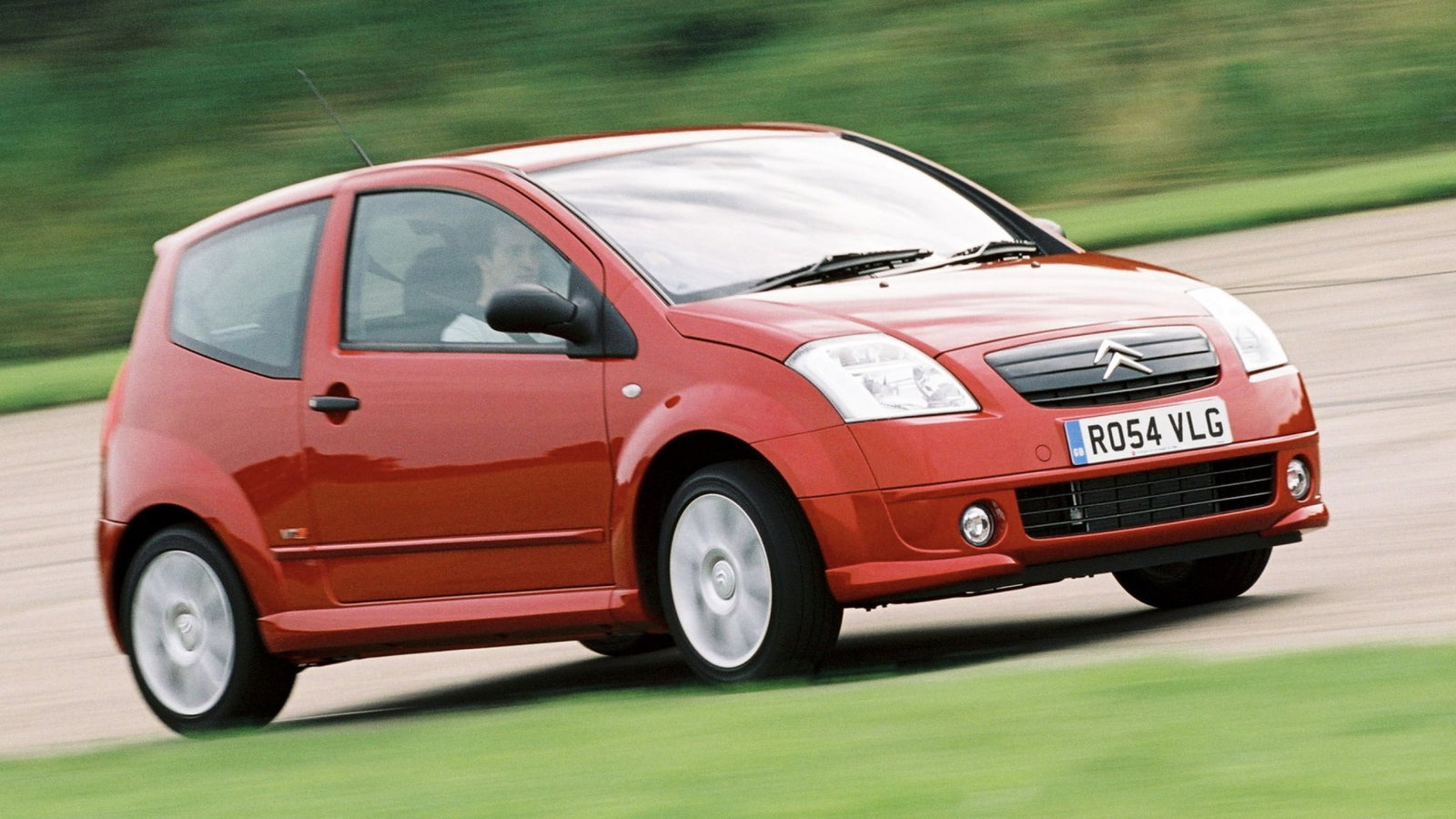
Citroen C2 VTS
What is it? The warm version of Citroen’s oft-overlooked youth-oriented noughties runabout, which seems to largely live in the shadow of its more beloved Saxo VTS predecessor, which is a good thing as far as values are concerned.
What’s so good about it? The same things that are good about the other cars in this price bracket. It had a zippy 1.6-litre engine which, with 123bhp, was more powerful than some rivals, and a nippy, chuckable chassis.
Any bad bits? At around 1,100kg, it wasn’t actually that light compared to rivals, blunting its power advantage somewhat. It wasn’t the most exciting junior hot hatch to look at, either, inside or out. Rare nowadays, too.
£5,000
A doubling of your budget opens up access to some serious names in the hot hatch world. Again, at this sort of price, you’re likely looking at tattier or higher mileage examples, but the bargains are still there for the taking.
Volkswagen Golf GTI Mk5
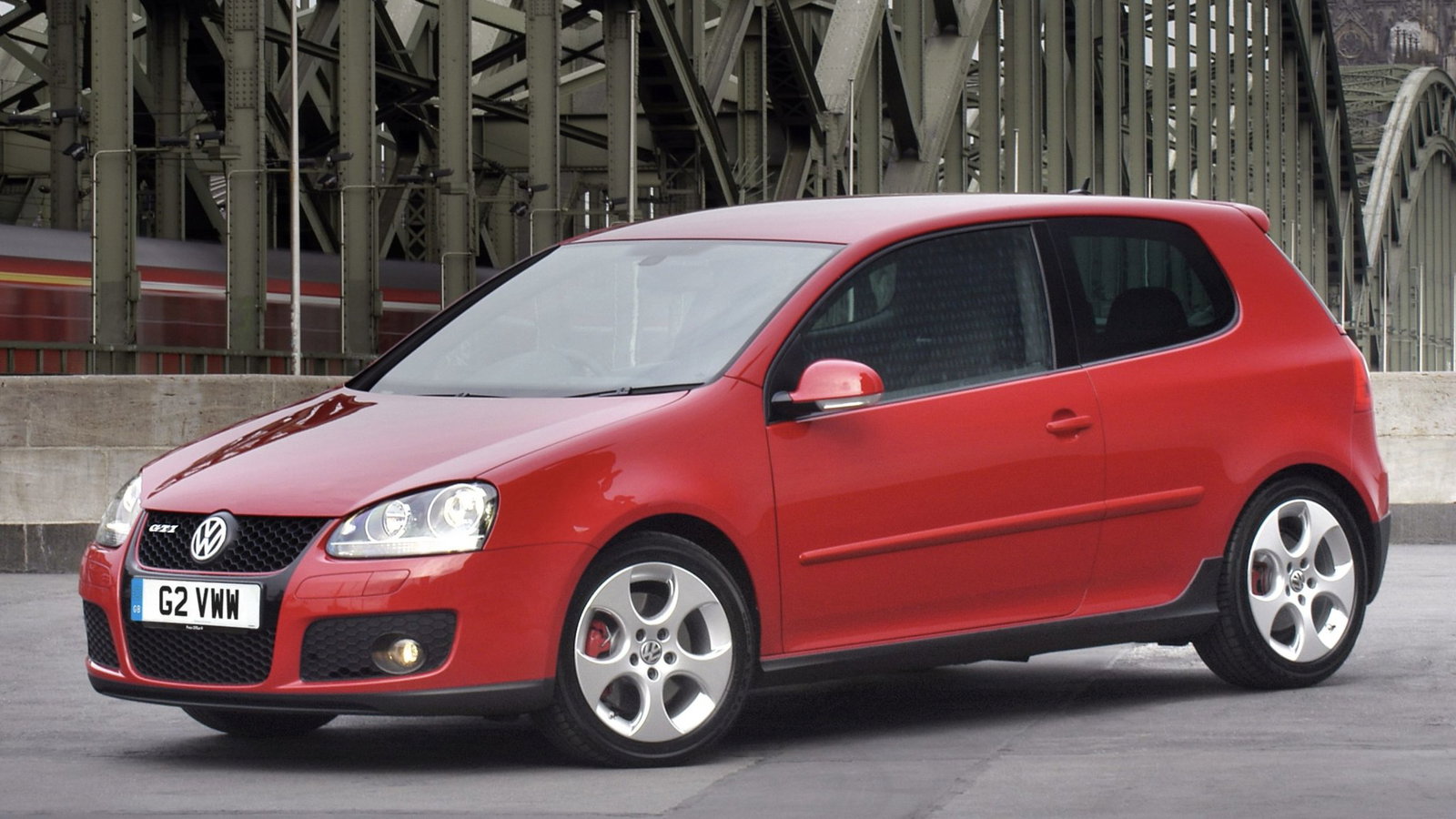
Volkswagen Golf GTI Mk5
What is it? A stunning return to form after a couple of duff generations for the longest-running hot hatch name in the business. The Mk5 recaptured all the brilliance the first two Golf GTIs had in abundance, and the subsequent two lost.
What’s so good about it? Everything. As well as hailing from what many might argue was peak-era Volkswagen, the Mk5 GTI had a fantastic 2.0-litre, 197bhp turbo engine, an epic chassis and looks that just get better with every passing day.
Any bad bits? As largely reliable as it is, cars at this price point are likely to have lived harder lives. Out of the box, it might not feel that fast compared to modern metal either, or even some contemporary rivals.
Renault Clio 197
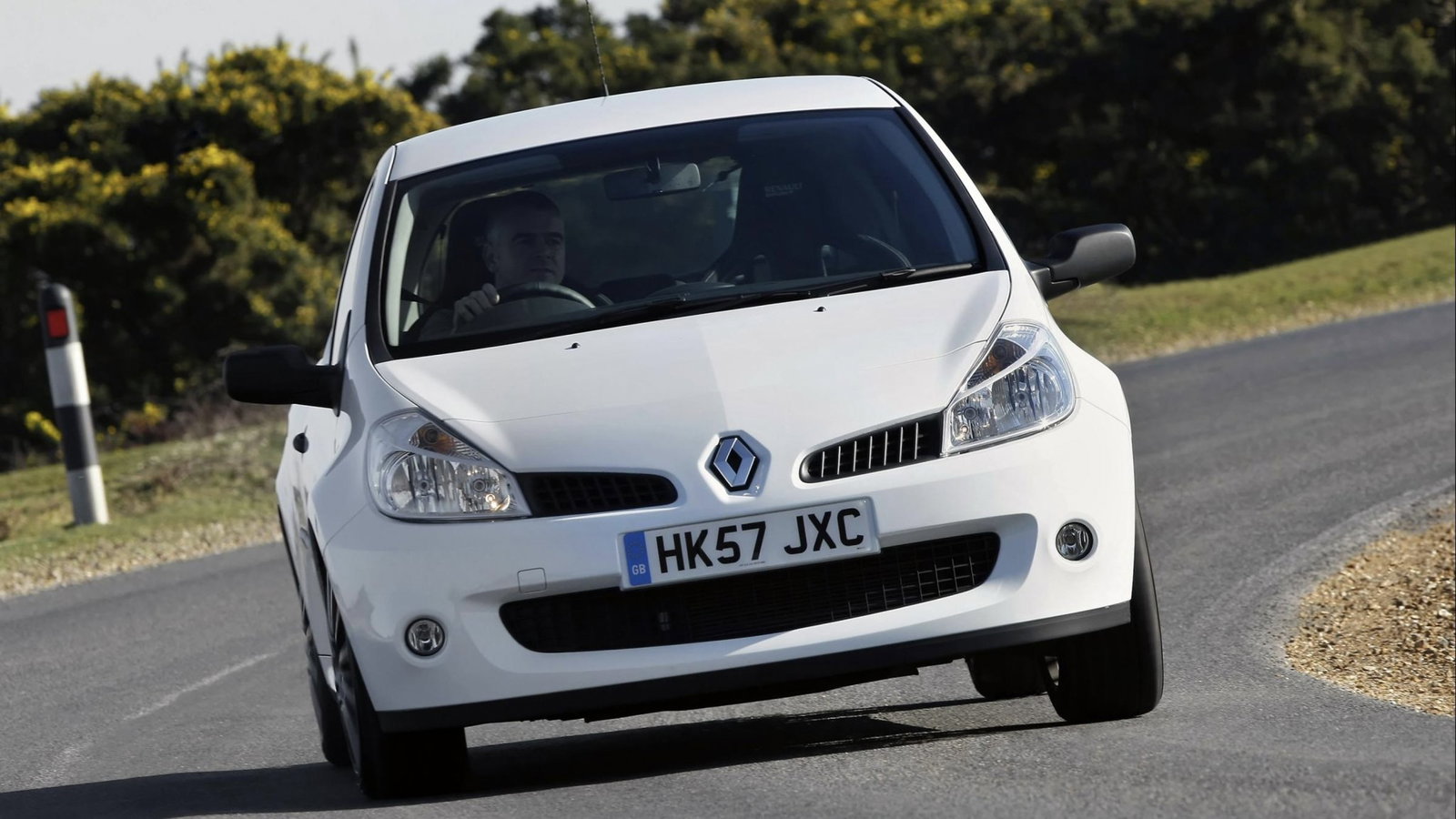
Renault Clio 197
What is it? The second generation of Renault Clio RS, which grew up a little from its predecessor but still doggedly stuck with a big 2.0-litre nat-asp engine while most rivals downsized and went turbocharged.
What’s so good about it? That engine, mainly. It was a novelty even when new in 2007, but now, a car this titchy with such a big turbo-free engine, delivering a hearty 194bhp, is nothing short of joyous.
Any bad bits? The 197 does sit in a slightly awkward spot. The weight increase and switch from hydraulic to electric power steering over its predecessor did dull the magic just a tiny bit. The optional Cup chassis improved things again, but it was notoriously stiff and is harder to find and pricier today.
Mini Cooper S (R53)
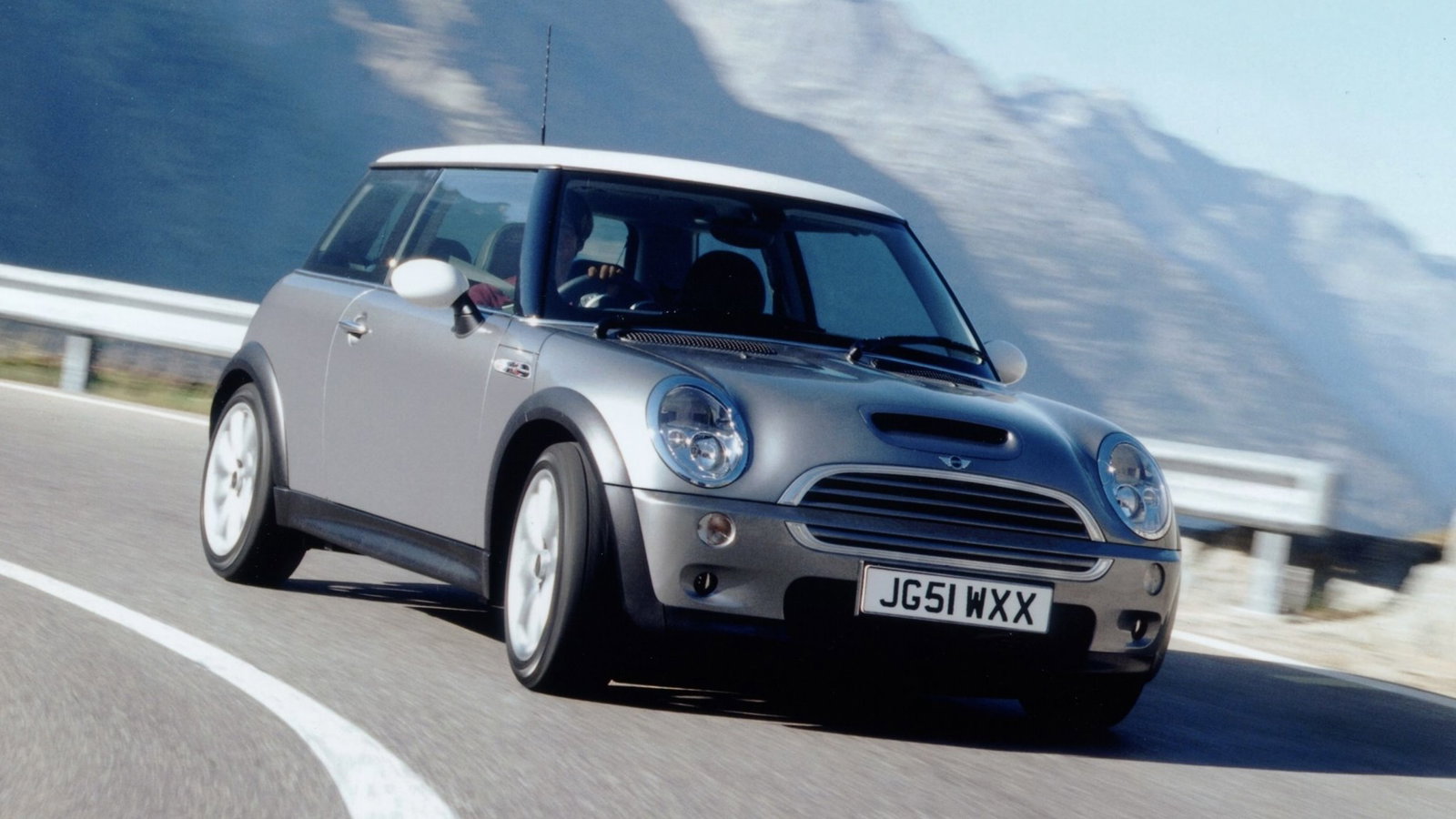
Mini Cooper S (R53)
What is it? The first hot Mini of the modern BMW era, which went down the unconventional route of a supercharger on its 1.6-litre engine to develop its meaty 163bhp.
What’s so good about it? Even the most basic first-gen BMW Minis were wonderful to drive, and unsurprisingly, throwing a bit more power at it did it no harm in that department at all, especially with some supercharger whine underscoring everything.
Any bad bits? As hatchbacks go, the R53 isn’t all that practical. The back seats are all but useless. The S liked a drink too, of both fuel and oil.
Peugeot 208 GTi
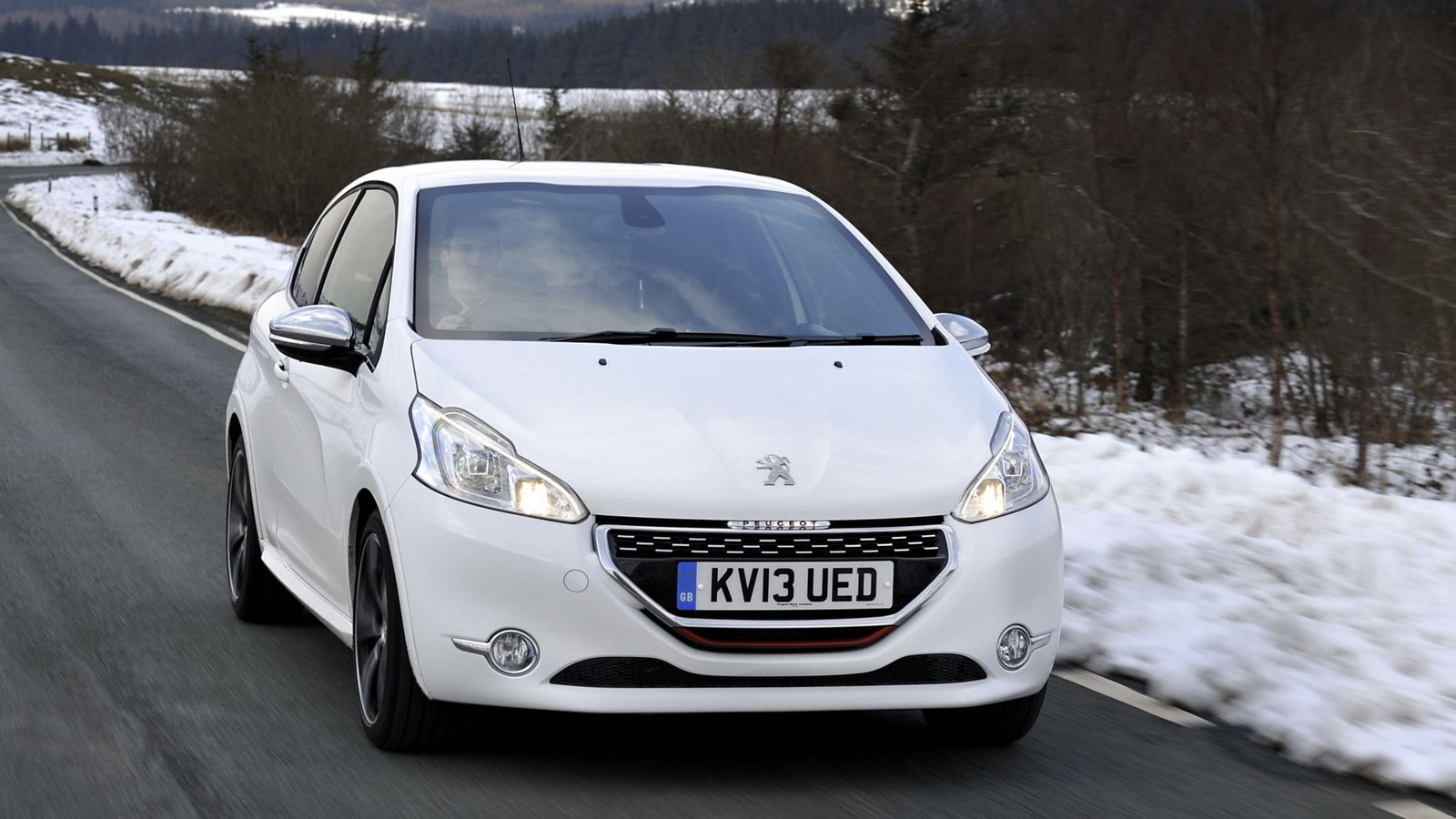
Peugeot 208 GTi
What is it? The first properly good Peugeot hot hatch in over a decade when it launched in 2012, and one worthy of the GTi badge that had been somewhat sullied by the ‘hot’ versions of the 207 and first-gen 308.
What’s so good about it? Essentially, Peugeot rediscovered some of the chassis mojo it had once majored in, except now it was paired with the sort of upmarket interior that anyone coming from an older Peugeot hot hatch very much wouldn’t have expected.
Any bad bits? This budget won’t buy you a 30th Anniversary or GTi by Peugeot Sport version, which are the ones you really want. Even though the version fitted to the 208 GTi was much improved, there remain question marks over the reliability of the BMW co-developed 1.6-litre ‘Prince’ engine too.
£10,000
Things are really starting to open up now. A few years ago, some of the cars at this budget would have neatly slotted into some lower ones, but as they attain modern classic status, prices are inevitably on an upward creep. They sit alongside some more recent entrants whose values are probably as low as they’re going to get.
Ford Fiesta ST Mk7
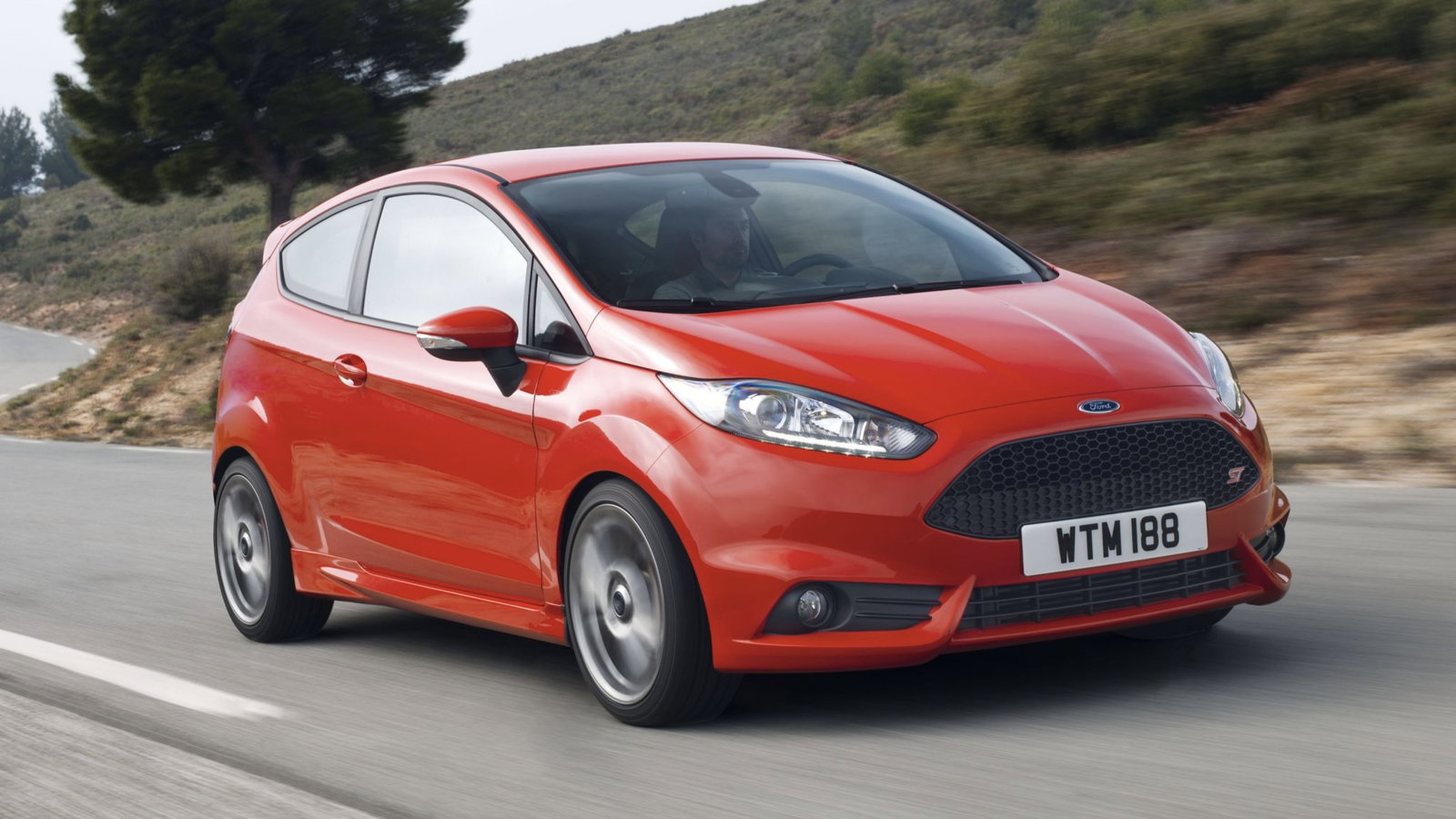
Ford Fiesta ST Mk7
What is it? The long-awaited return of the hot Fiesta, and on superb form too. With 180bhp from a 1.6-litre turbo engine, it was a little down on power compared to rivals of the same era, but that didn’t matter one bit once you discovered just how perfectly judged a package it was.
What’s so good about it? What isn’t? The engine, the chassis, the looks, the affordability and decent running costs… this was a lesson in how to do a corking hot hatch. The public agreed, meaning there are loads of Fiesta STs to choose from at this price, and if the modest power really is an issue, plenty have Ford-approved Mountune upgrade packages.
Any bad bits? The interior might seem a bit low rent these days. Also, lots of Fiesta STs have been modified, so you’ll want to make sure they’ve been done so in a proper and professional manner. Or just find a stock one.
Honda Civic Type R (EP3)
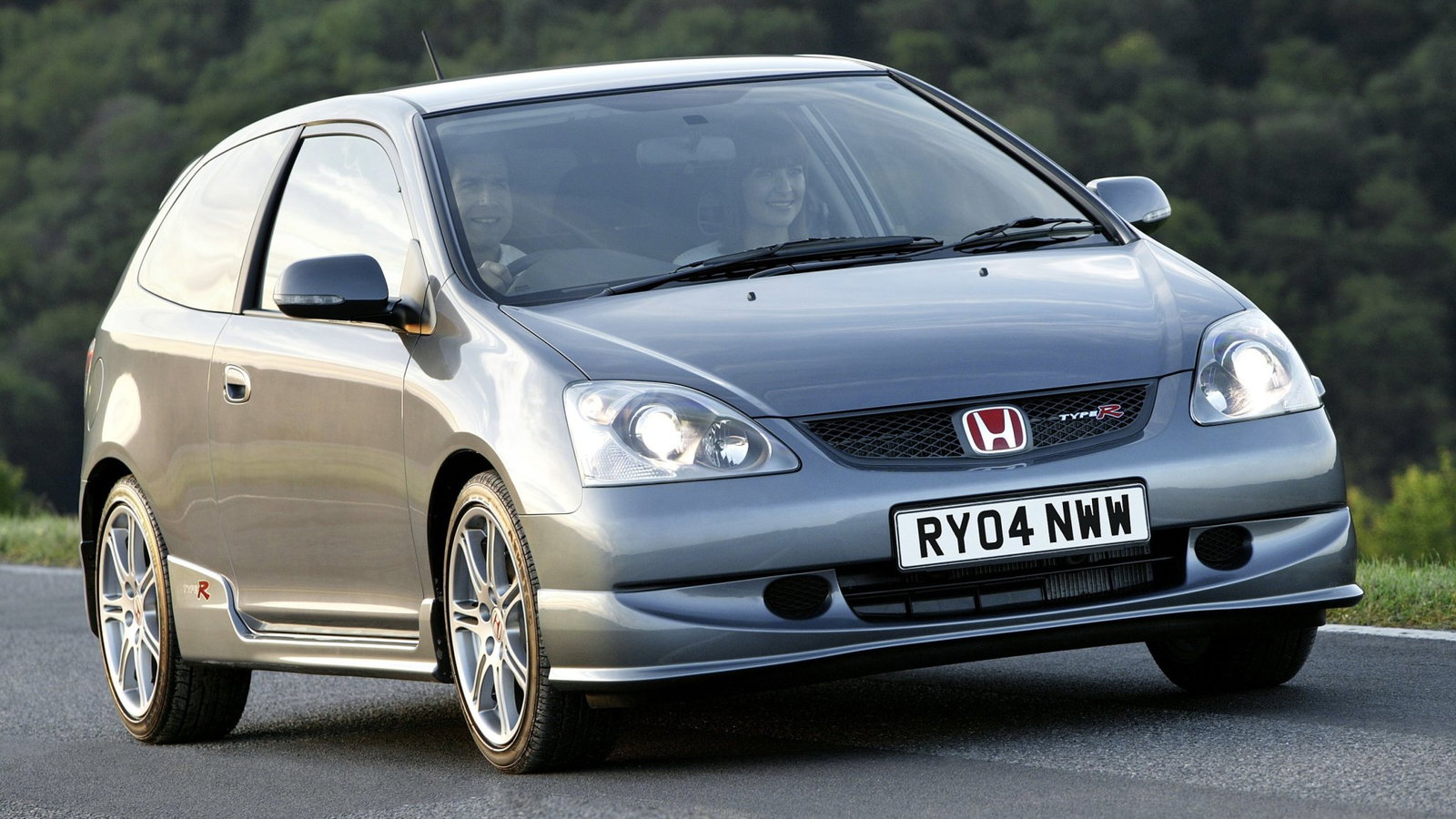
Honda Civic Type R (EP3)
What is it? The first Honda Civic Type R to be officially sold outside of Japan, and a distinctly Honda take on the noughties hot hatch formula, thanks mainly to its angry 197bhp, 7,900rpm 2.0-litre VTEC-equipped engine.
What’s so good about it? That engine is without question this car’s centrepiece. It was a USP in 2001, and is even more so today. It wasn’t the only plus point, though – while not quite top of its class for handling, the 1,210kg EP3 was still a playful joy to throw around.
Any bad bits? Drive it without wringing the engine out, and you might wonder what all the fuss is about. The looks are still a bit love/hate, too, and the steering and driving position both left a bit to be desired.
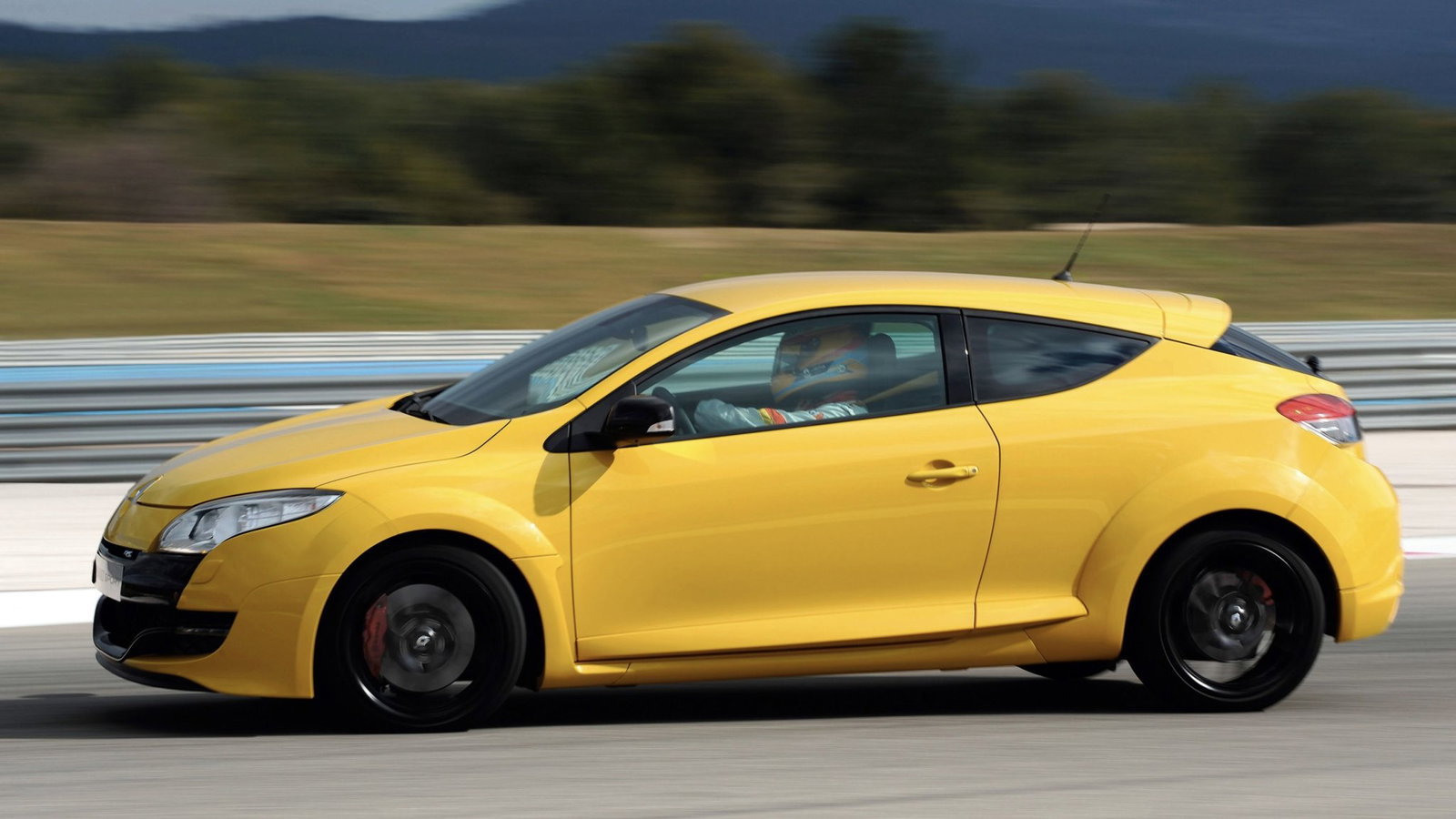
Renault Megane Mk3 RS
Renault Megane Mk3 RS
What is it? The second iteration of the Renaultsport Megane and, at least when it came to regular, non-special editions, the best, thanks to lessons learned with the hottest versions of the first one and an evolved version of the same 2.0-litre turbo four-pot.
What’s so good about it? The Mk3 Megane RS, no matter what version, was the darling of road testers in the late 2000s and early 2010s, and was pretty much the pick of the crop when it came to performance, handling and driver involvement. Long-term reliability is generally good, too. What’s not to like?
Any bad bits? This gen of Megane RS only came as a three-door, and a swoopy, coupe-ish one at that, so it’s not the most practical hot hatch around. To get the very best out of it, you’ll need to spend more money on a Cup or Trophy version, too.
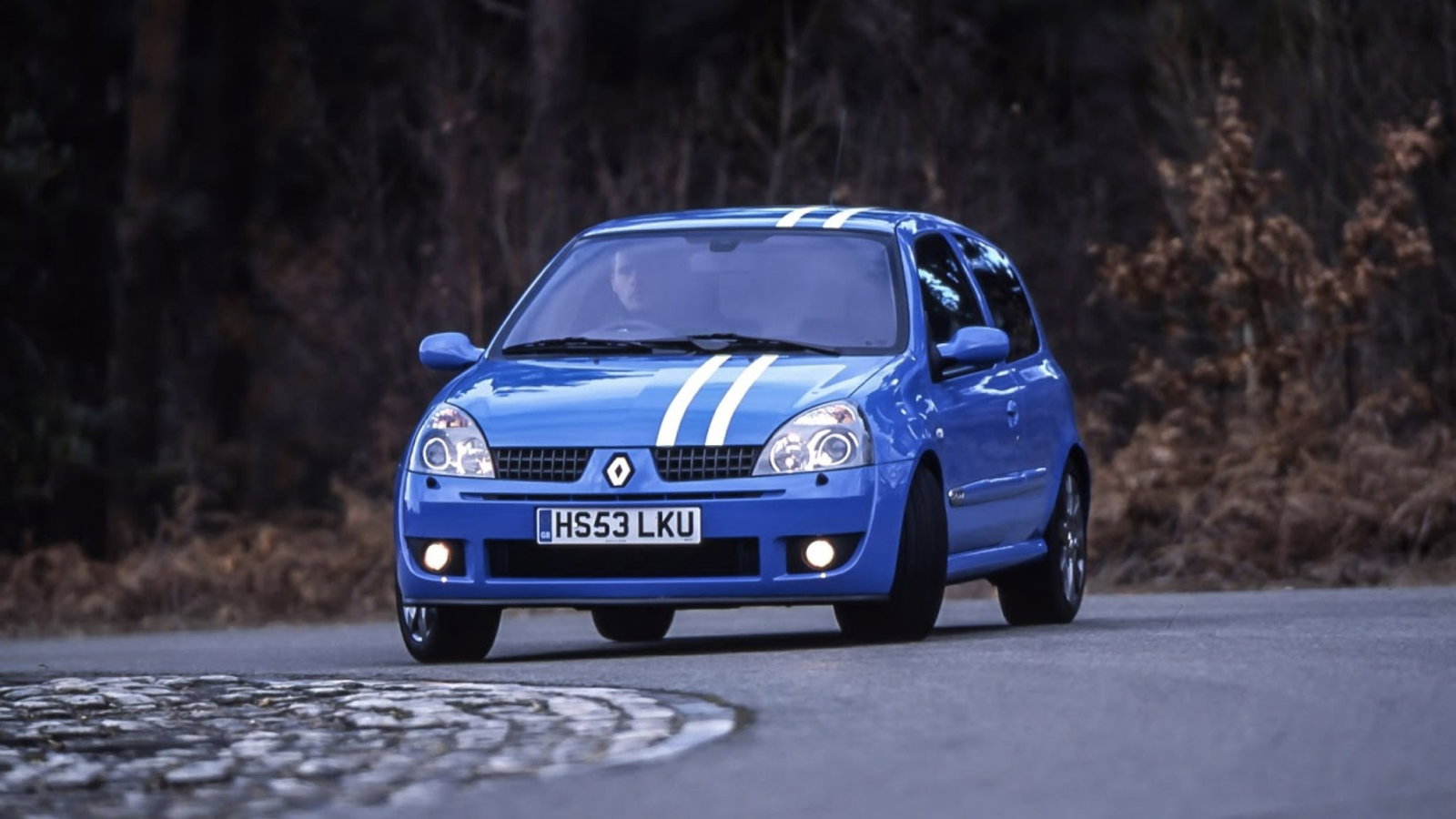
Renault Clio 182
Renault Clio 182
What is it? Yet another Renaultsport product, but the division really was on top of its game in the early part of the 21st century, so we have no qualms including it. The Clio 182 was one of the very last old-school, no-frills hot hatches, before everything started learning a few more manners at the expense of their wild sides.
What’s so good about it? Big engine, small car. In this case, a 2.0-litre naturally aspirated four-banger with 180bhp and an appetite for revs, in a titchy hatchback that weighed a mere 1,090kg. That, combined with Renaultsport’s unrivalled chassis nous, makes for big, big fun.
Any bad bits? The interior’s going to feel like a pretty grim, plastic-laden place to sit in 2026. As with the Megane above, the Cup version – the one you really want – will command a good chunk more, and the legendary but rare limited-edition Trophy? Fuhgeddaboutit.
£20,000
At this budget, you’ve got some really good options, including some of the very finest mainstream hot hatches of recent years as well as some with posher badges for that keyfob-on-the-table flex factor next time you go for lunch with your friends. The approaches to hot hatchery start to open up here too, with front-, all- and even rear-wheel drive on the table.
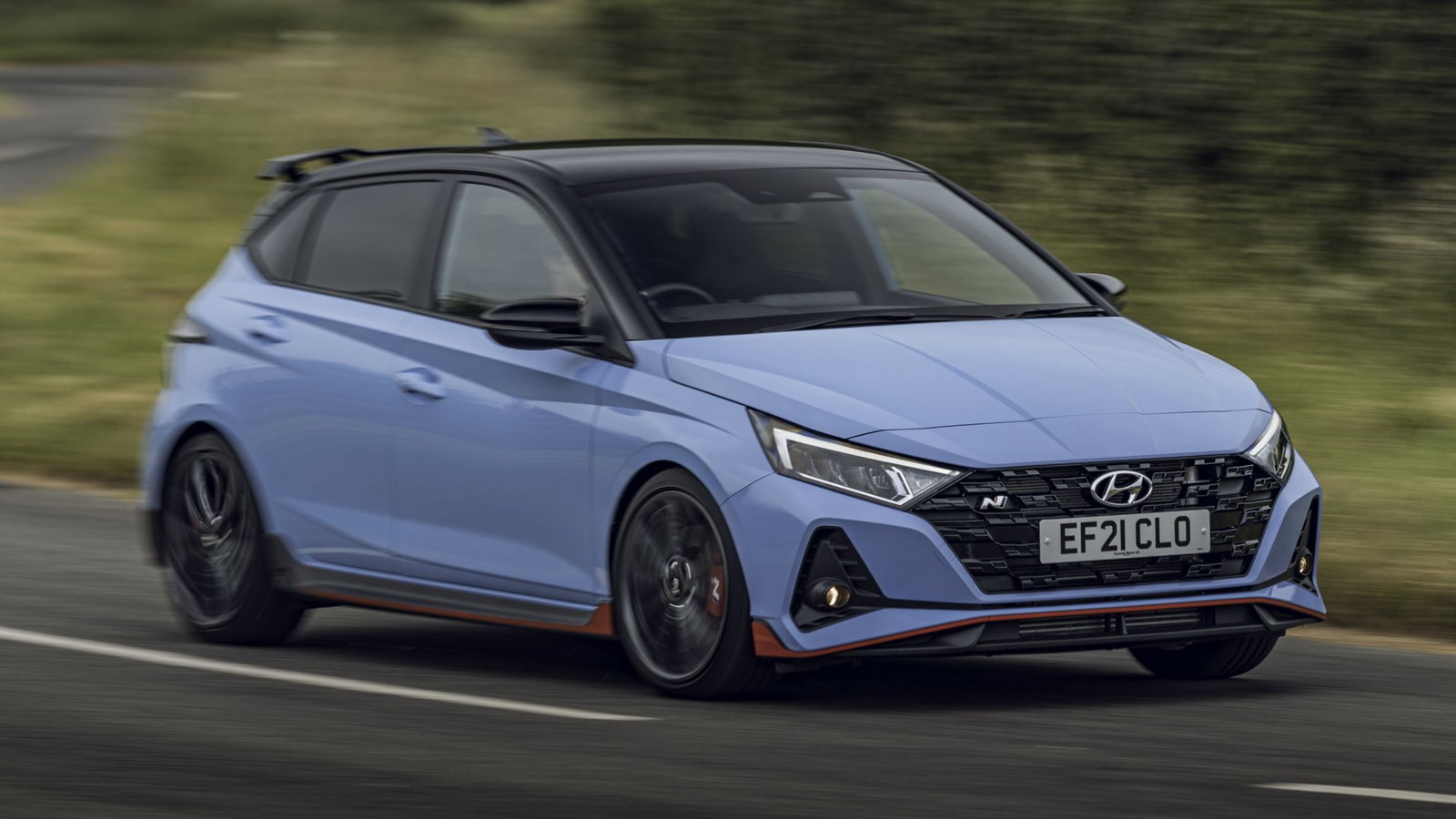
Hyundai i20 N
Hyundai i20 N
What is it? Proof that the phrase ‘difficult second album’ doesn’t translate into Korean. After catching the hot hatch establishment unawares with the brilliant i30 N, the smaller, feistier Hyundai i20 N was arguably even better.
What’s so good about it? With a feisty 201bhp and a mechanical limited-slip diff, this was about as raw and old-school as hot hatches got around the turn of the 2020s, but because it hailed from that time, it still got most of the mod-cons you’d expect in a brand new car.
Any bad bits? That unapologetically uncompromising attitude meant that it wasn’t the most pliant in the ride department, and the 1.6-litre turbo engine was just serviceable rather than great. It wasn’t on sale for long in Europe, so there aren’t that many around.
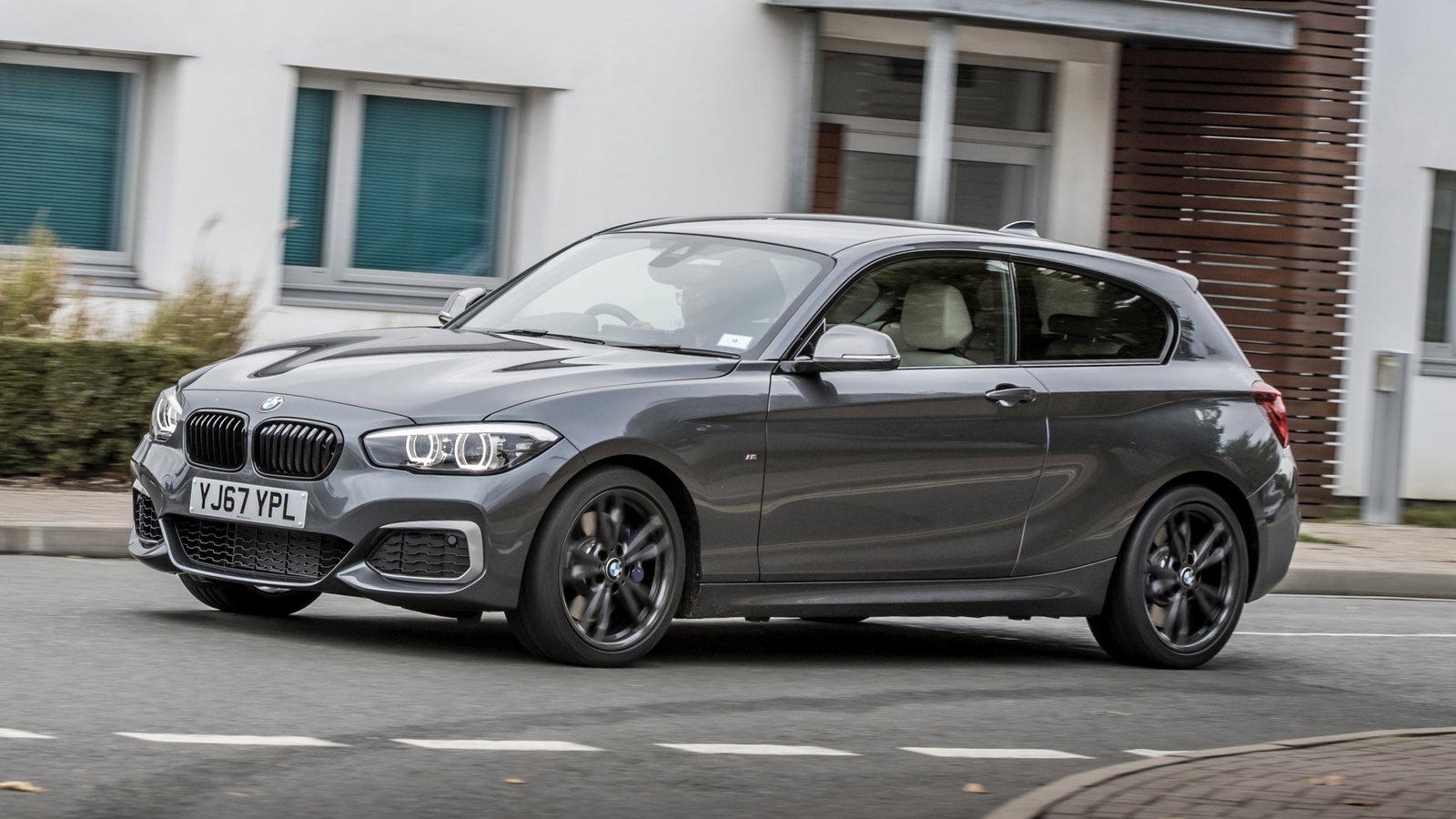
BMW M140i
BMW M140i
What is it? BMW’s last attempt at a hot hatch with what some might call ‘proper’ BMW traits, a straight-six and rear-wheel drive, before the company moved onto the safer but less loveable turbo four-pot, all-wheel drive recipe.
What’s so good about it? That unique recipe, for a start. The combo of 3.0-litre turbo straight-six, here making 335bhp, and rear-wheel drive isn’t one you’re going to find in many other hot hatches. The later M140i was a more polished thing than its M135i predecessor, and got BMW’s now-legendary B58 engine.
Any bad bits? The combination of big power, rear-wheel drive and small car means lots of M140is haven’t been driven too sympathetically, so keep an eye out for that. Cramped seats and a firm ride mean it’s not the nicest place for rear passengers, either.
Volkswagen Golf GTI Mk7
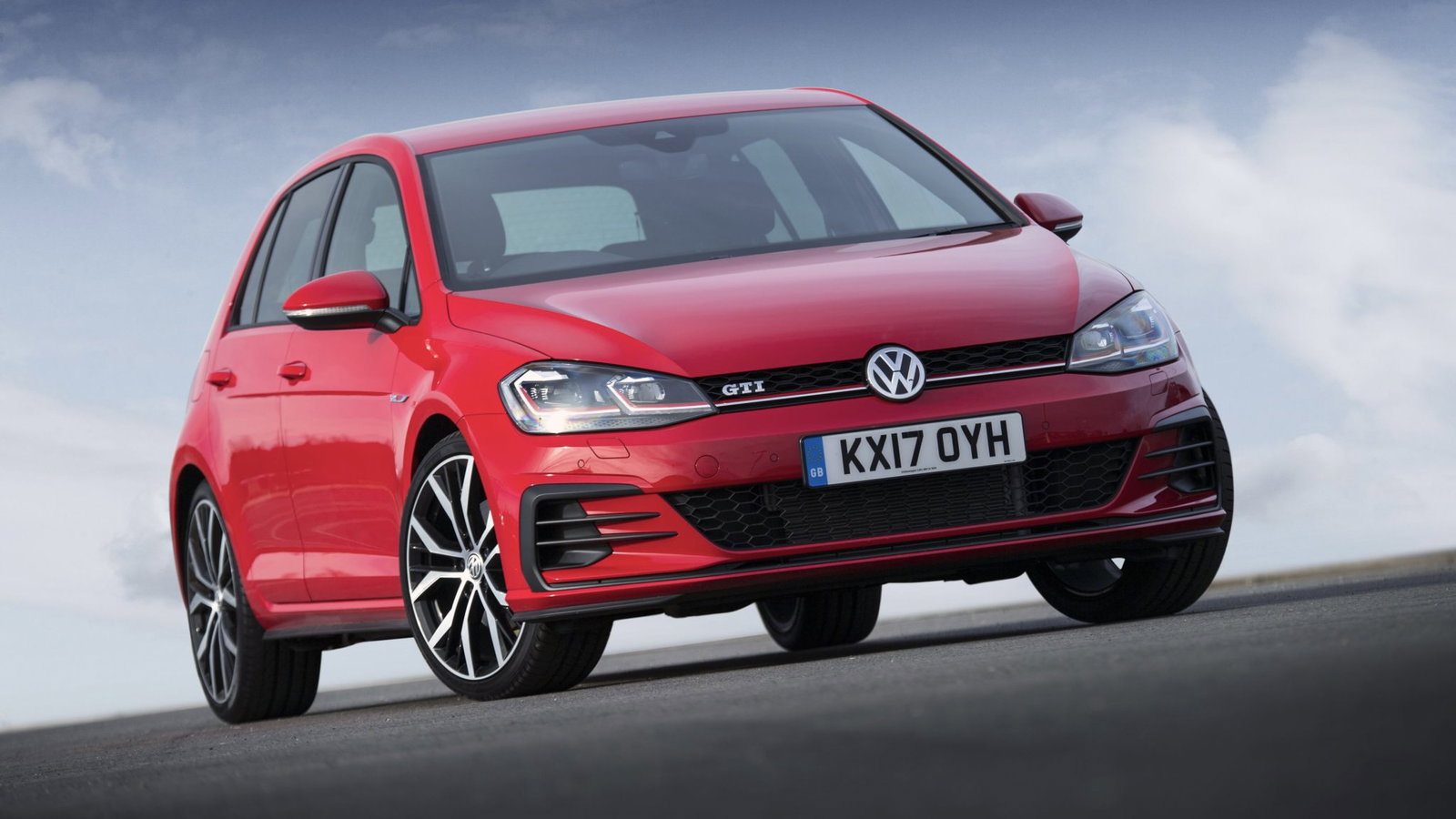
Volkswagen Golf GTI Mk7
What is it? Quite possibly the most complete, satisfying hot hatch ever built, and the product of a company full of confidence and firing on all cylinders.
What’s so good about it? The handsome and understated looks, the high-quality and sensible interior, the brilliantly strong EA888 engine, the superb chassis, the way it slips effortlessly into your daily life… let us know when you want us to stop.
Any bad bits? For all its many, many talents, the Mk7 Golf GTI could be a bit too grown-up for some, and those looking for outright old-school thrills in their 2010s hot hatch might be better served with something like an i30 N or Astra VXR.
Audi S1
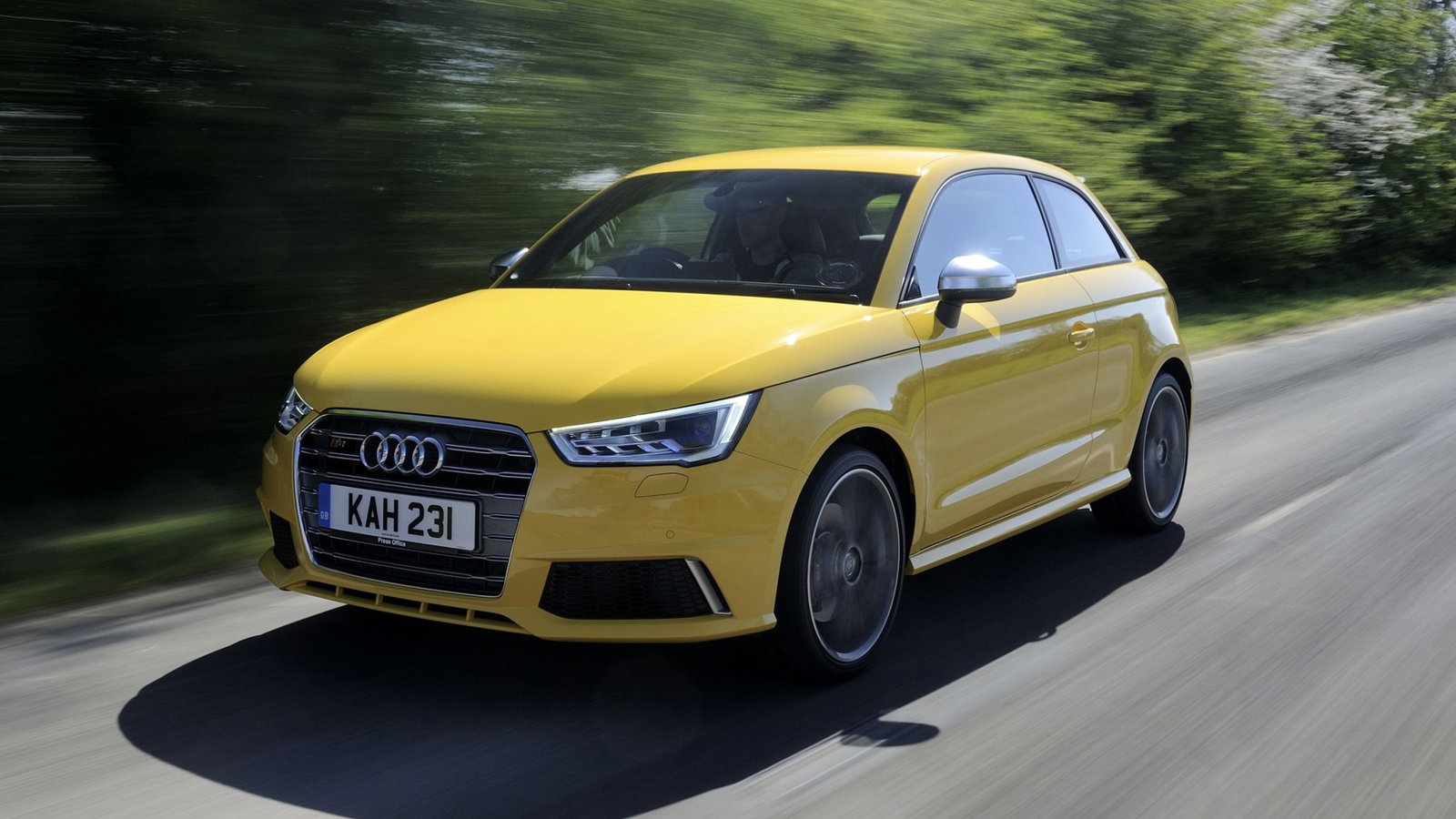
Audi S1
What is it? Something of an overlooked gem from Audi’s back catalogue, which packed the drivetrain from the brilliant Mk7 Golf R (albeit detuned to a still healthy 228bhp) into a smaller, more stylish body.
What’s so good about it? It’s essentially the Polo R that Volkswagen never made (not a proper one, anyway), but with the perceived bonus of added badge clout and the actual bonus of a posher interior that having four rings on the grille brings you.
Any bad bits? Like other VAG hot hatches of this era, the S1 wasn’t the last word in tactility or rawness. It was manual-only too, which won’t be an issue for many enthusiasts, but might baffle those expecting a dual-clutcher in a premium AWD hot hatch like this.
£50,000
At this sort of money, the world is quite literally your oyster. Whatever that’s supposed to mean. £50k will buy you most of the few new petrol hot hatches left, so on the used market, you’ve got an embarrassment of riches to choose from, from latter-day heroes to cars that quickly established themselves as cult classics.
Toyota GR Yaris
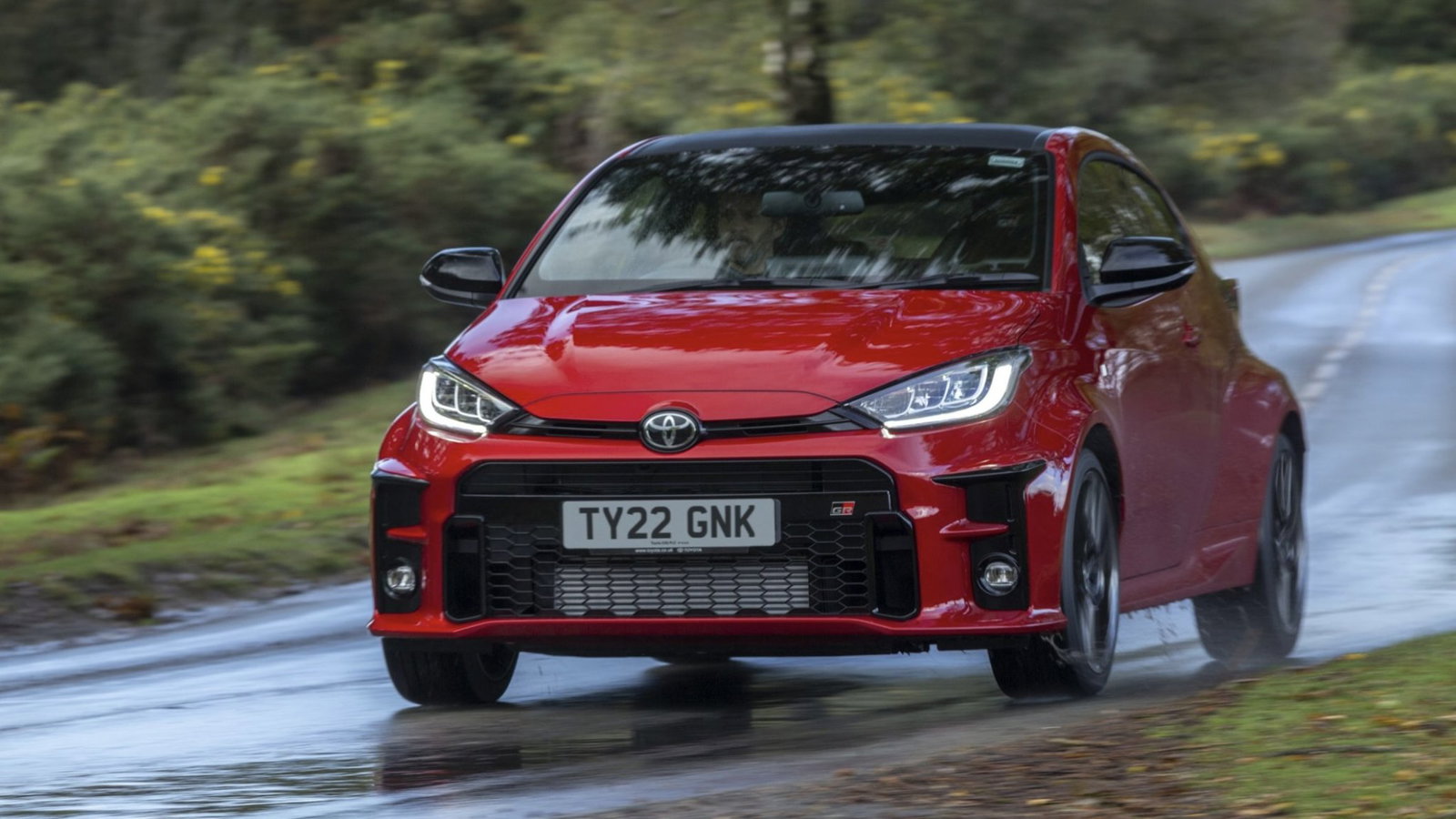
Toyota GR Yaris
What is it? Aside from supercars, the car that’s made more motoring journalists need to go have a lie down in a dark room than any other in recent years. Not bad for a three-cylinder Toyota Yaris.
What’s so good about it? Apart from the obvious cool factor of having a car conceived as a rally homologation special, the GR Yaris is just an absolute riot. Its adjustable all-wheel drive system makes it spectacularly playful, and it’s more than capable of running with much bigger, more powerful machinery.
Any bad bits? The interior feels pretty cheap for a car at this price point, and the back seats are an afterthought. The even better facelifted version has only ever come to Europe in extremely limited numbers.
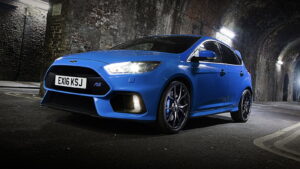
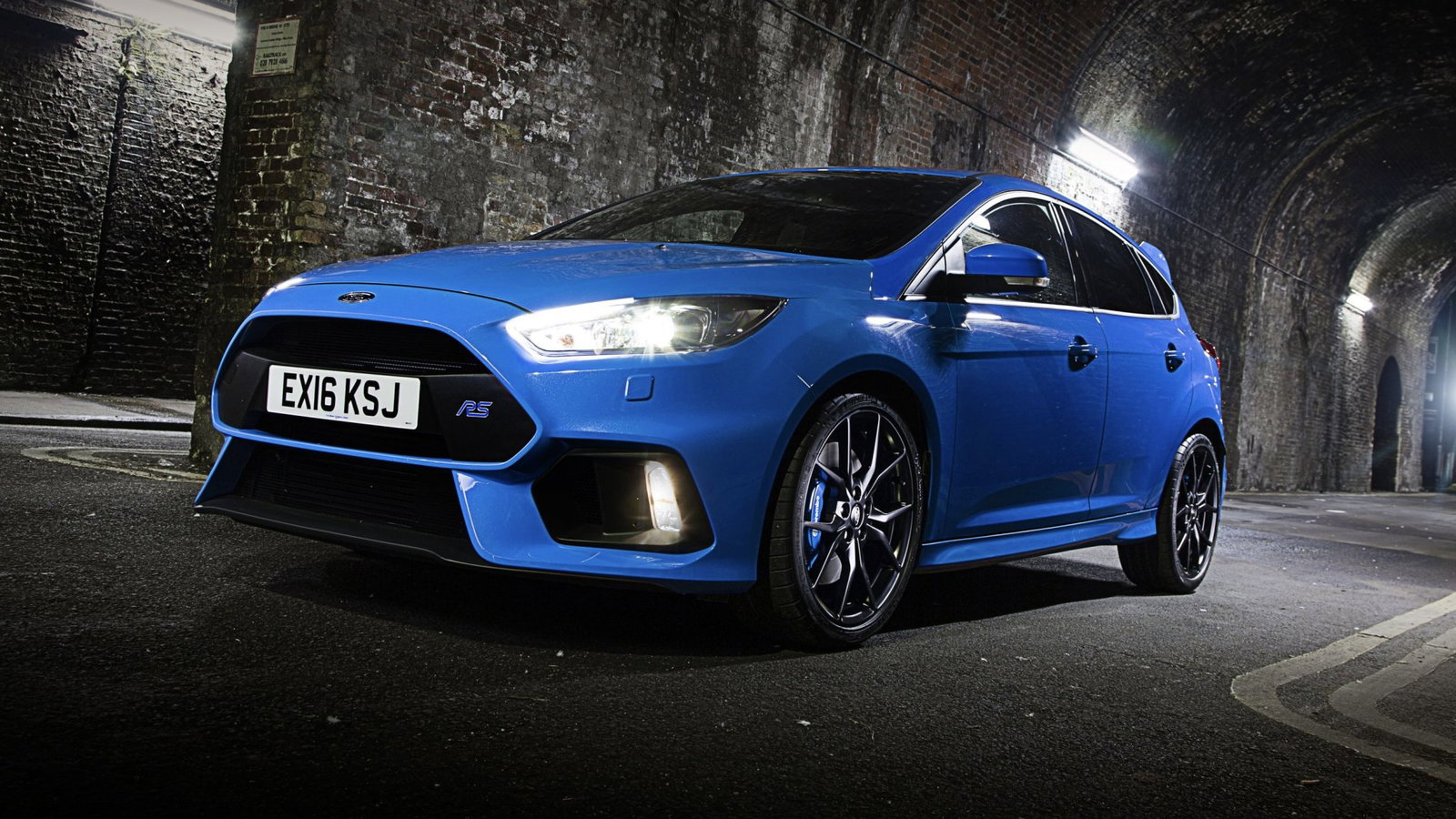
Ford Focus RS Mk3
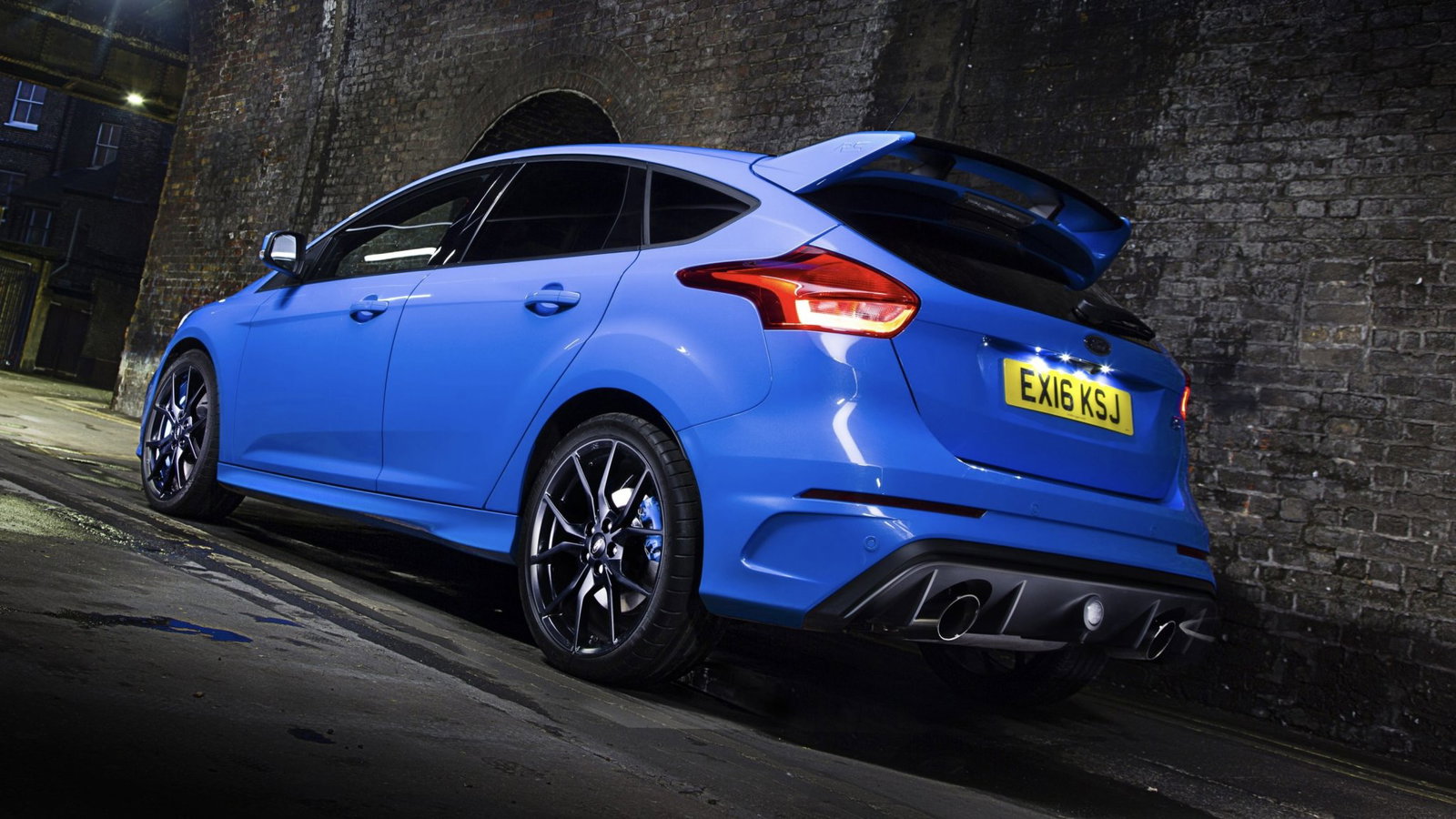
Ford Focus RS Mk3
What is it? The car that introduced the world to the idea of a drift mode, and, it would seem, the swansong for Ford’s hallowed RS badge, unless it ever comes back on an EV. Which we’re sure everyone would be totally fine with.
What’s so good about it? The same thing that made all the other RS-badged Fords good – supercar baiting performance (with plenty more available through tuning) in a package that, when new, was still reasonably attainable.
Any bad bits? Like the GR Yaris, the sort of price Focus RSes commanding now belies an interior that, ultimately, dates back to a Ford hatchback from 2011. It’s not exactly a car for shrinking violets either, and some early cars suffered serious engine issues, although these should have been fixed with a recall.
Honda Civic Type R (FL5)
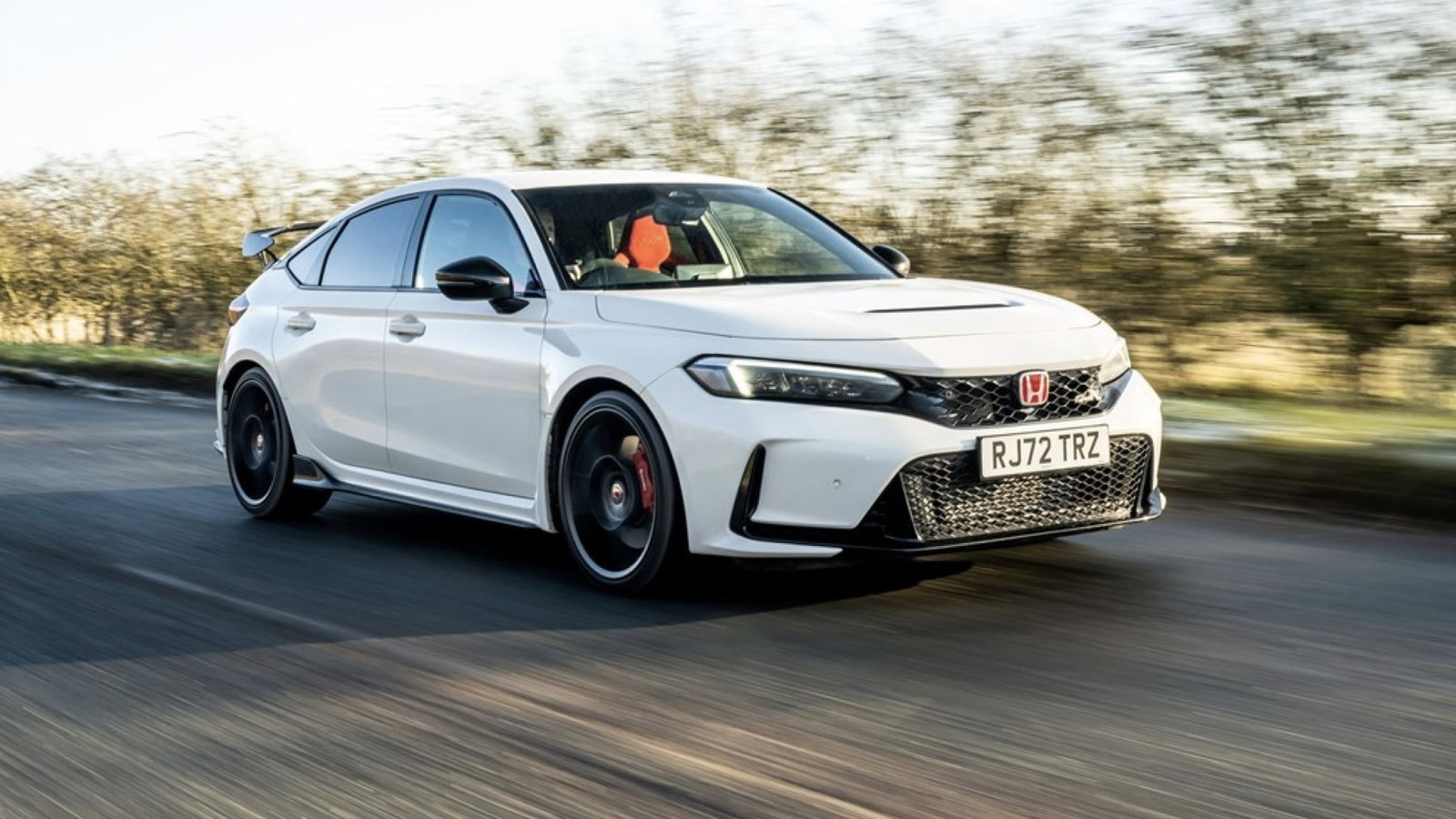
Honda Civic Type R (FL5)
What is it? Most likely the final purely petrol-powered Type R Honda that’ll be sold in Europe, but also, thankfully, the best.
What’s so good about it? The FL5 Type R was pretty close to hot hatch perfection. Everything, from the suppleness of the chassis, to the perfectly judged steering and manual gearbox, to the plush interior, to the way it put its 324bhp down through the front wheels without fuss, was executed in simply spectacular fashion.
Any bad bits? The FL5 was expensive when new, and it remains so used. The fact it only lived for a few short years in Europe means that’s not likely to change any time soon, and also that there aren’t that many around. It’s also quite big as hatchbacks go.
Renault Megane R26.R
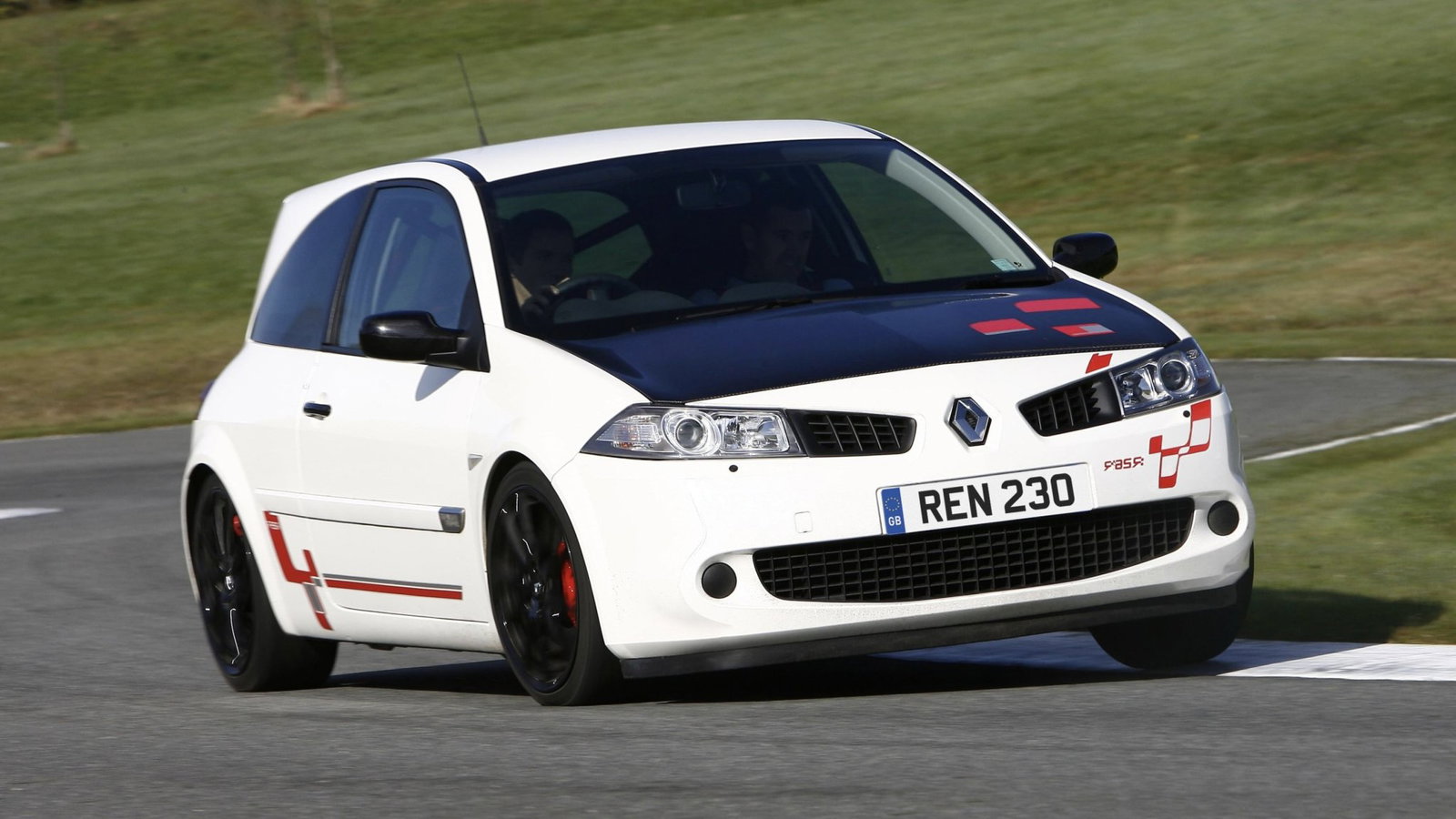
Renault Megane R26.R
What is it? A hot hatchback that was cosplaying as a Porsche 911 GT3 RS, a concept that made no sense on paper but came together in an incredible way on the road and on track.
What’s so good about it? Its uncompromising approach to weight-saving – 123kg shed over a standard R26 in all – made the R26.R a stunningly agile, responsive car for track use, and yet one that never felt out of sorts or too extreme on your favourite road.
Any bad bits? This should go without saying, but with plastic rear windows, five-point harnesses and the small matter of no back seats, this is not the hot hatchback to buy if practicality is at the top of your agenda. It’s also very rare, and can command truly silly money for a 20-year-old Renault hatchback.
Read the full article here


