





There’s nothing quite like a good sports car, is there? As enthusiasts, there’s huge appeal in a car whose primary aim in life is to have fun, whether on the road or track.
Unfortunately, the numbers of new sports cars, in the traditional sense at least, are dwindling fast as regulations make them ever-trickier to sell, but do not despair: whether you’ve got a few grand to play with or you’re in the enviable position of having six figures to drop on an automotive plaything, the used market is absolutely teeming with options. We’ve rounded up four of our favourite choices to suit a range of budgets from £5,000 to £100,000.
£5,000
Mazda MX-5 (NC)
Mazda MX-5 (NC)
What is it? The third generation of Mazda’s evergreen roadster, launched in 2005. A slightly more grown-up prospect than what came before and perhaps the least beloved of the four iterations of MX-5 so far, it still remains true to the recipe and, in the long run, perhaps the most affordable way into one these days.
What’s so good about it? It’s an MX-5, so you know the drill: revvy four-pot engine up front, drive to the rear, beautiful balance, and a roof that you can quickly throw back to unlock the joys of top-down driving. It’s roomier inside and less rot-prone than the first two generations, too, and just as mechanically robust.
Any bad bits? Although they don’t rust anywhere near as badly as the crumbly NB, the NC can still go a bit bubbly in places, including subframes.
Toyota MR2 (W30)

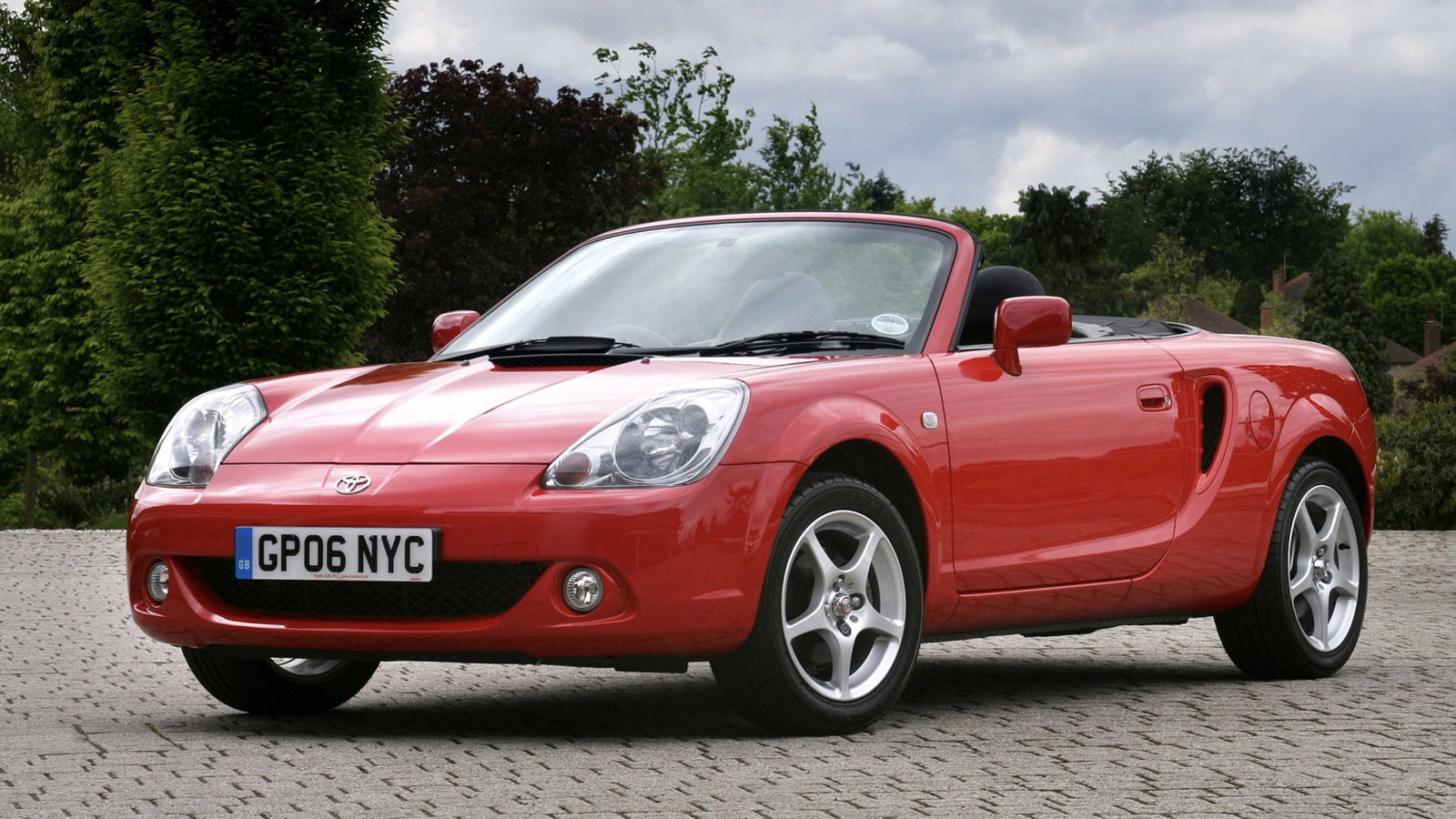
Toyota MR2 (W30)
What is it? The third and (so far) final generation of the Toyota MR2, sold between 1999 and 2007, and still one of the cheapest ways into a mid-engined sports car. It swapped the coupe or targa-top arrangements of the first two models for a more MX-5-alike fabric roof.
What’s so good about it? The mid-engined layout brings both an inherently exotic, (very) junior supercar feel and agile handling, but the W30 is less notoriously spikey to drive than its ’90s predecessor. As with pretty much all Japanese cars of this era, it’s unerringly reliable when looked after properly, too.
Any bad bits? The 1.8-litre engine isn’t the most exciting, and it’s notoriously impractical, with the only real storage coming in the form of a titchy 78-litre locker behind the seats.
Smart Roadster
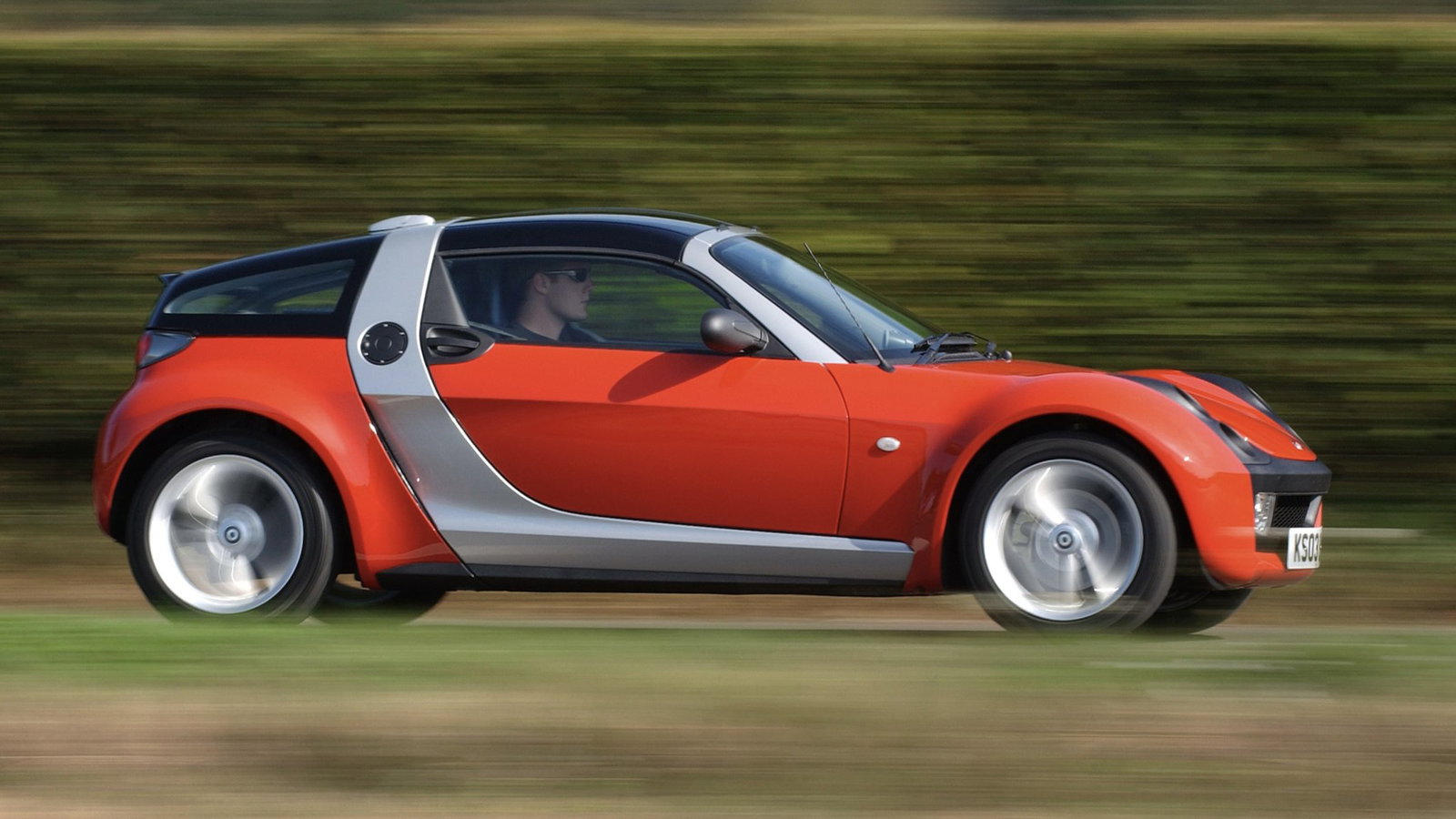
Smart Roadster
What is it? The second model from Smart after the Fortwo city car, and something of an unexpected left turn from the brand into a diminutive, lightweight mid-engined sports car with a three-cylinder turbo motor.
What’s so good about it? The Roadster weighed about as much as a gentle summer breeze, so even with just 80bhp in its punchiest guise, it didn’t struggle too much. More importantly, that low weight imbued it with some of the most amusing, communicative handling of its day. It still looks funky and futuristic today, too.
Any bad bits? Storage space is perhaps at even more of a premium than in the MR2, but that’s far from its biggest issue. No, that would be the gearbox: in one of the biggest missteps in car history, Smart only offered the Roadster with a hopelessly clunky semi-automatic instead of a proper manual.
Ford Puma
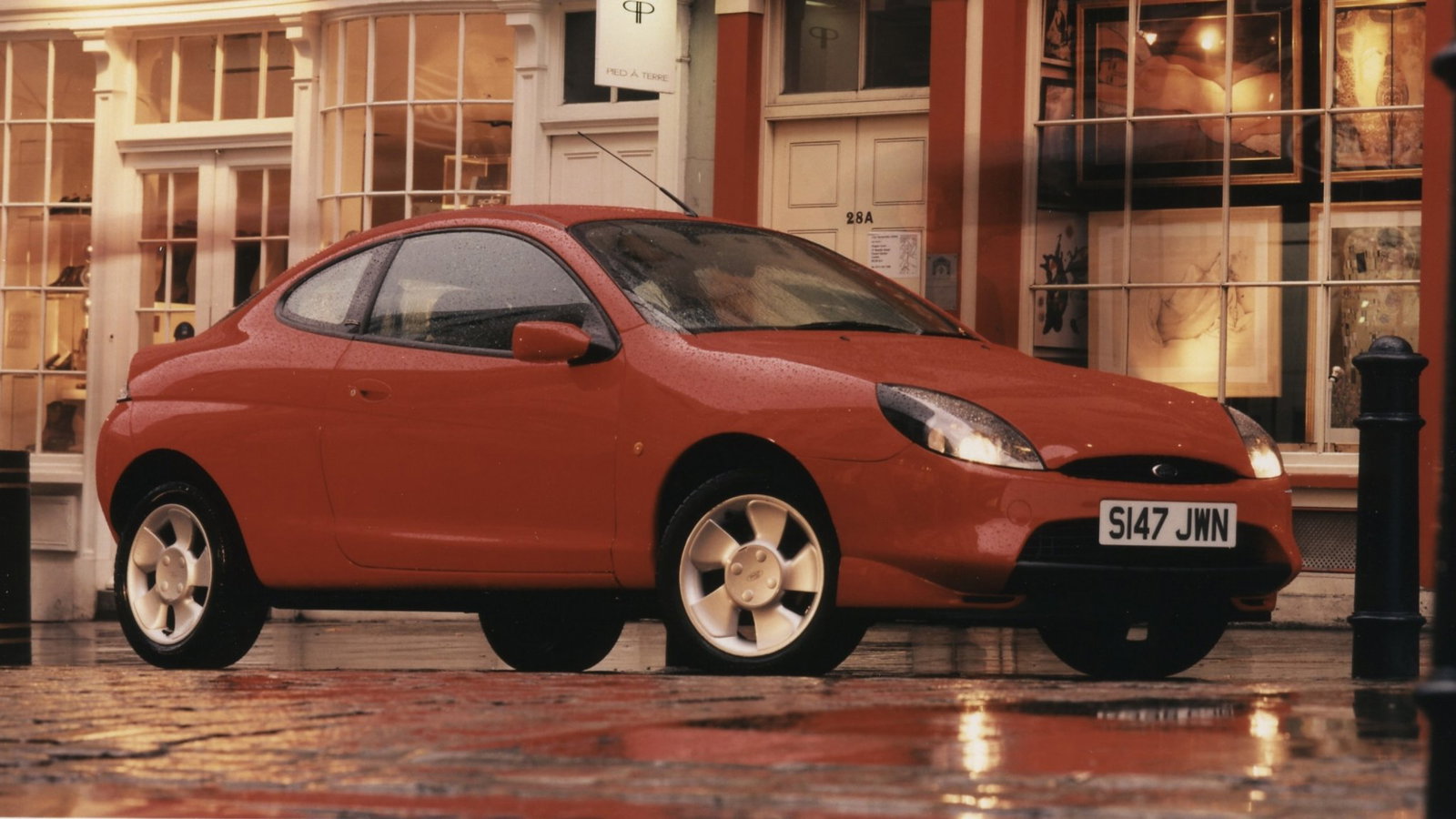
Ford Puma
What is it? Before it was a bug-eyed crossover and Britain’s best-selling car, the Ford Puma was a svelte and pretty little Fiesta-based coupe, sold between 1997 and 2005.
What’s so good about it? The chassis. This was when Ford ruled the roost when it came to making normal cars drive wonderfully, and nowhere is that more evident than in the Puma, with its composed ride and beautifully direct, talkative steering. The engines were good, too, with the top 1.7-litre motor co-developed by Yamaha.
Any bad bits? Rust. This has been the downfall of so many turn-of-the-millennium Fords, and the Puma is one of the worst offenders, which is the main reason there aren’t many around nowadays.
£10,000
Porsche Boxster (987)
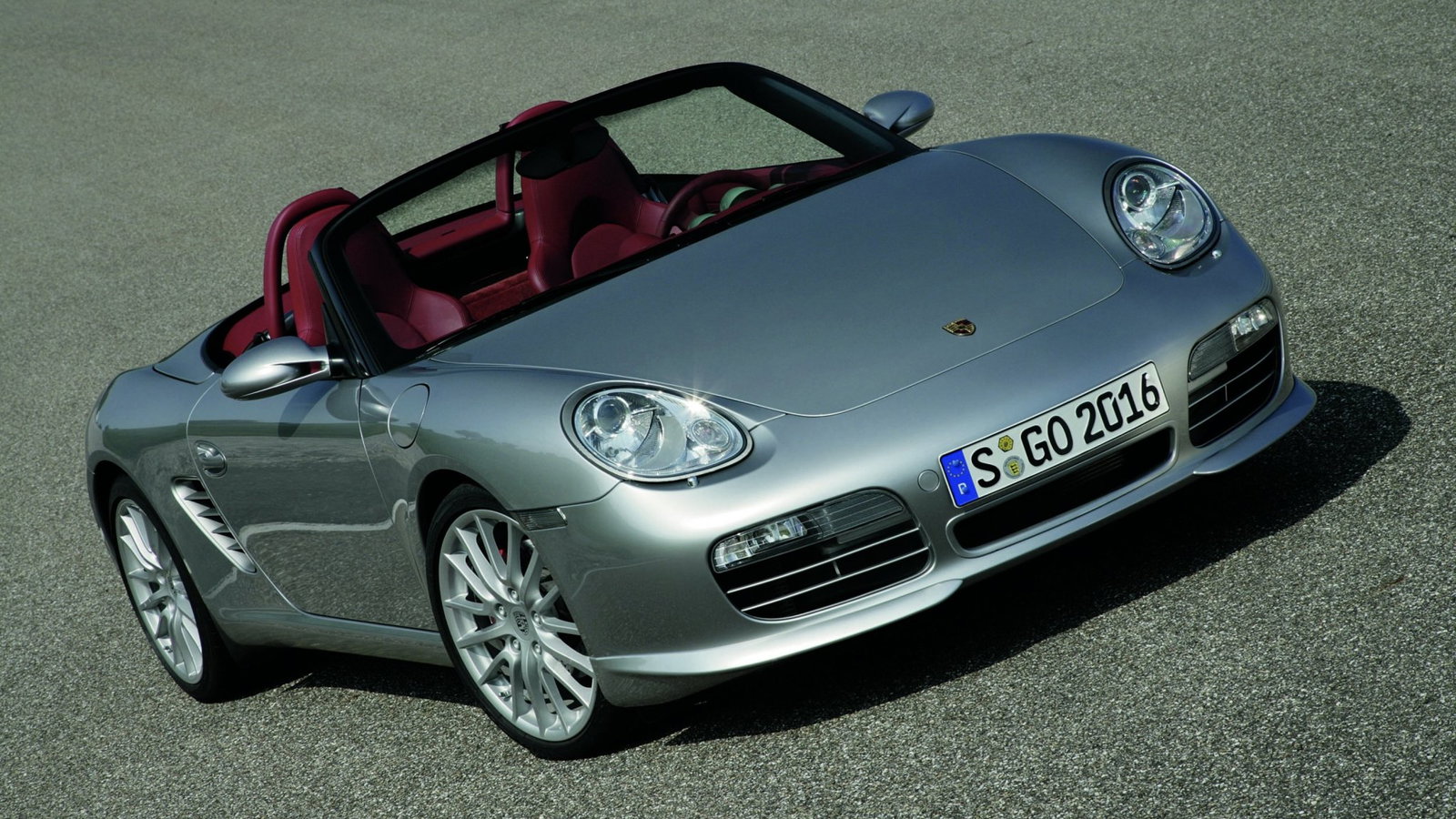
Porsche Boxster (987)
What is it? A predictable choice for a reason. No longer viewed as merely a poor relation to the 911, the Porsche Boxster is increasingly revered in its own right as the brilliant all-rounder it is, and the second-gen 987 model lands in a real value and usability sweet spot.
What’s so good about it? It’s a flat-six Porsche sports car, so you get that unique soundtrack, and even the earliest 2.7-litre cars get a handy 237bhp. Combine that with the brilliantly balanced handling and the genuine practicality offered up by its two sizeable boots, and there’s really not a lot to dislike.
Any bad bits? Although generally regarded as pretty reliable (big asterisk: as long as they’re well looked after), general maintenance on a car like is naturally going to skew a little more expensive. Also, tedious bores might still give you the odd ‘couldn’t afford a 911, eh?’ Ignore them.
BMW Z4 (E85)
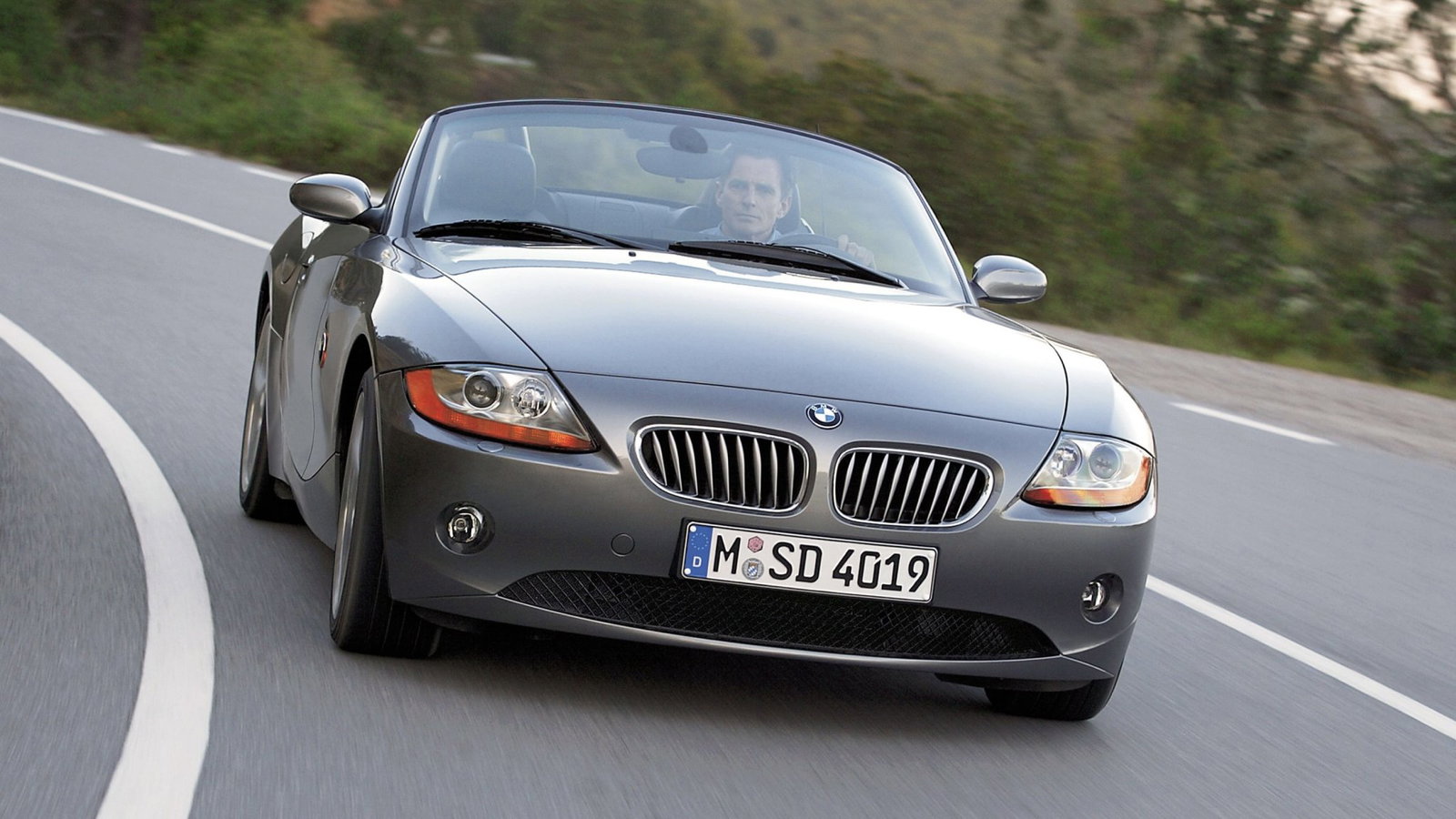
BMW Z4 (E85)
What is it? The first generation BMW Z4, hailing from the peak of BMW’s then-controversial ‘Flame Surfacing’ design language, but otherwise a very old-school front-engined roadster (and later, coupe) with a range of straight-four and six engines.
What’s so good about it? Maybe it’s just us, but the E85’s looks seem to be ageing better by the day. All but the basic 2.0-litre version will treat you to the silky-smooth delight of having a BMW straight-six humming away in front of you, too. Mmm, creamy.
Any bad bits? The E85 was notorious when new for its punishingly hard ride (although some of that came from its standard run-flat tyres). While reliability is decent, things can be expensive if they do go wrong.
Alfa Romeo Brera S
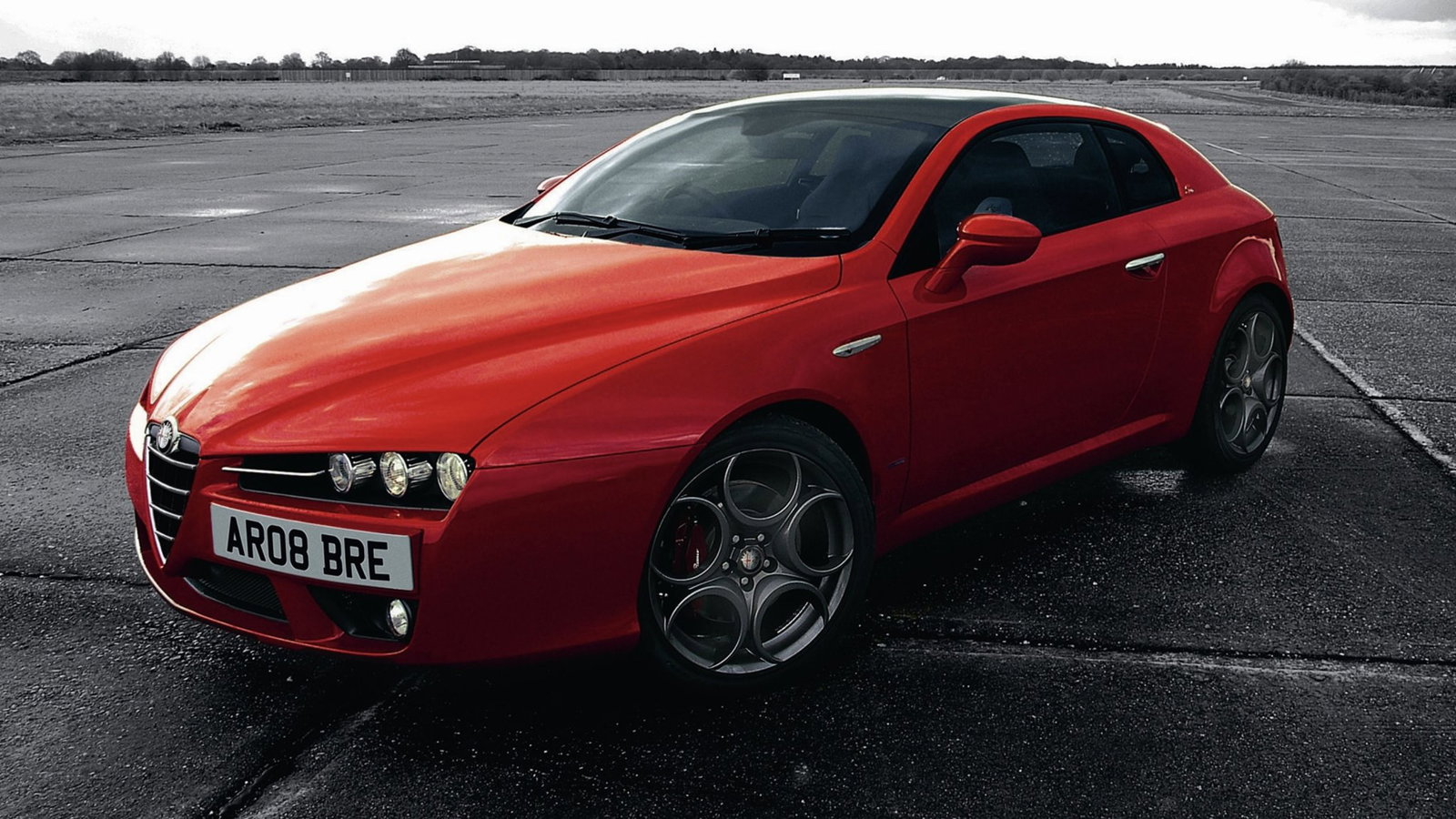
Alfa Romeo Brera S
What is it? Alfa Romeo’s gorgeous-to-behold but otherwise disappointing Brera coupe, given a thorough going over by UK motorsport outfit Prodrive in a largely successful attempt to uncork the potential that lay beneath.
What’s so good about it? Well, just look at it, for a start. Very little else offers this much style for this amount of money. More to the point, though, Prodrive’s upgrades, including uprated Eibach springs and Bilstein dampers, genuinely transformed the once-lumpen Brera into a much more appealing driver’s car.
Any bad bits? Although the S was way better than the standard car, there were still considerably better-driving sports cars of the same era. There’s always the spectre of Alfa reliability too, and the S was rare – just 500 were made – and UK-only.
Audi TTS (8J)
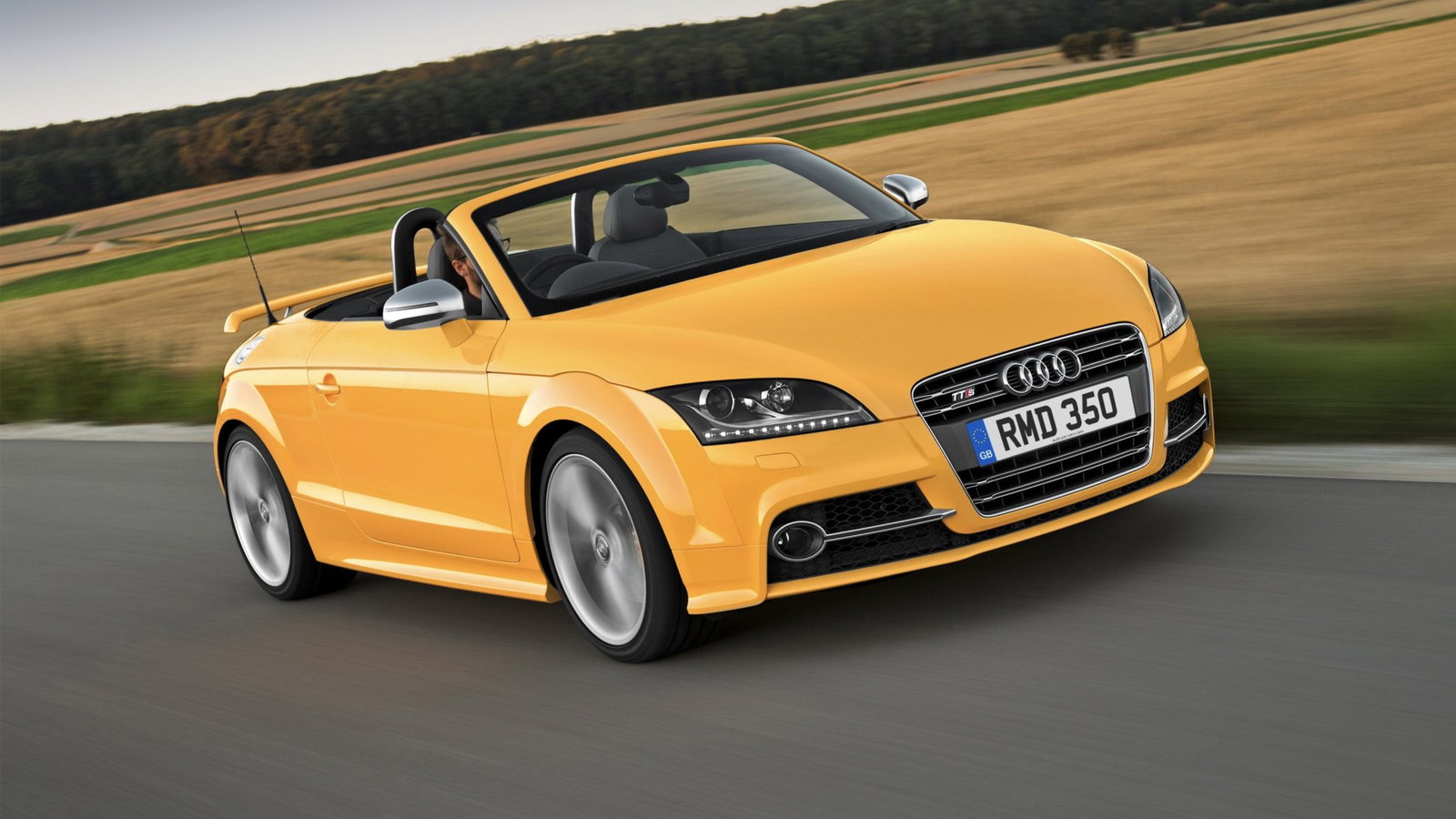
Audi TTS Roadster (8J)
What is it? In true Audi TT fashion, essentially a VW Golf in a tracksuit. The TTS, though, shared its running gear with the hottest Golf of the day, the R, meaning it got 268bhp and all-wheel drive.
What’s so good about it? As the TT always did, it looked great on the outside and felt it on the inside, and the S’s big-power, all-wheel drive recipe made it a properly effective cross-country tool. It’s proven generally reliable too, and it’s practical as sports cars go.
Any bad bits? The usual fast Audi disclaimer applies: it’s not the most involving thing to drive compared to some rivals, although it’s far from a total disappointment in this regard either. DSG gearboxes can sometimes break in expensive fashion. Just another reason to track down a manual.
£20,000
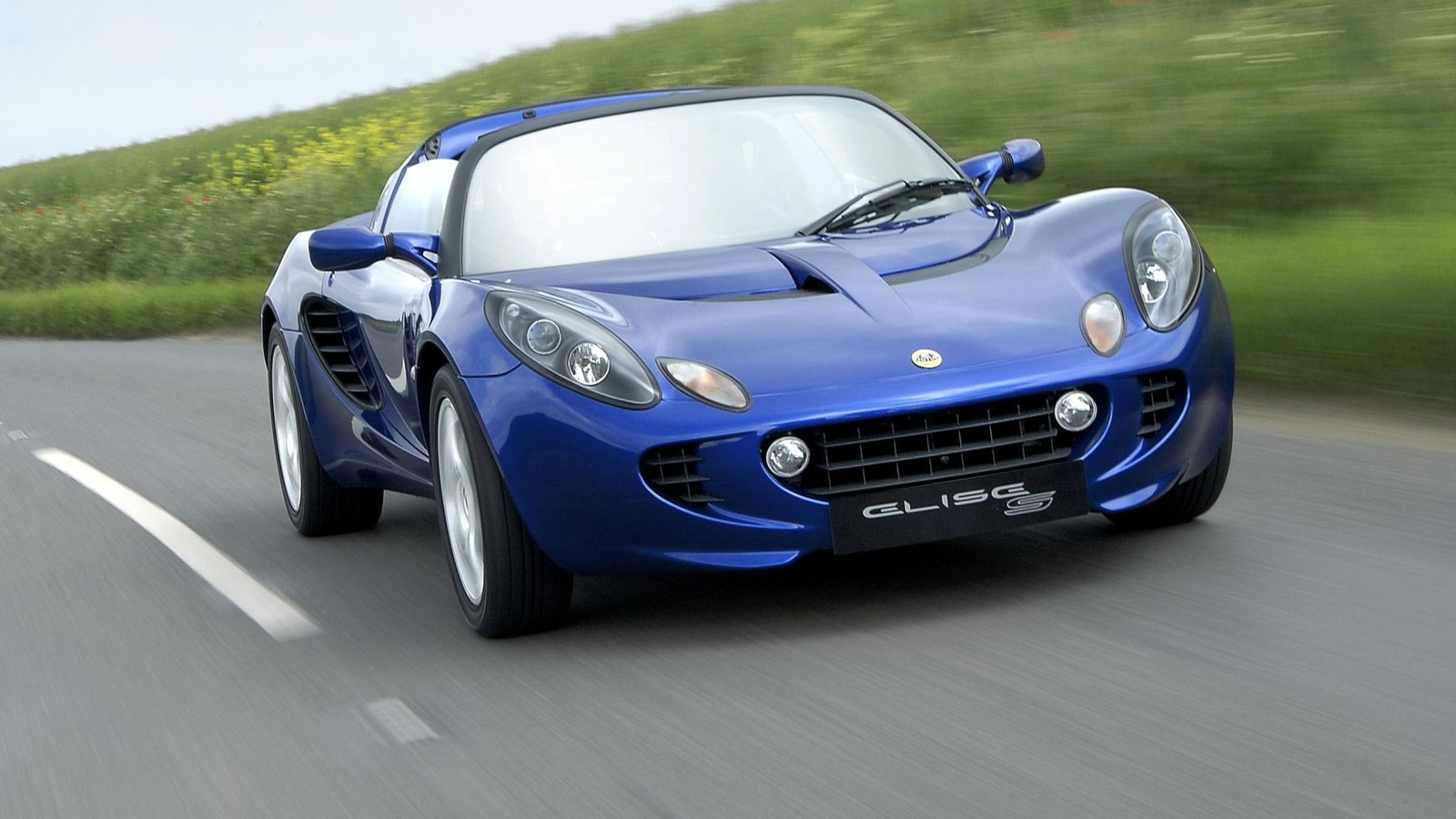
Lotus Elise S2
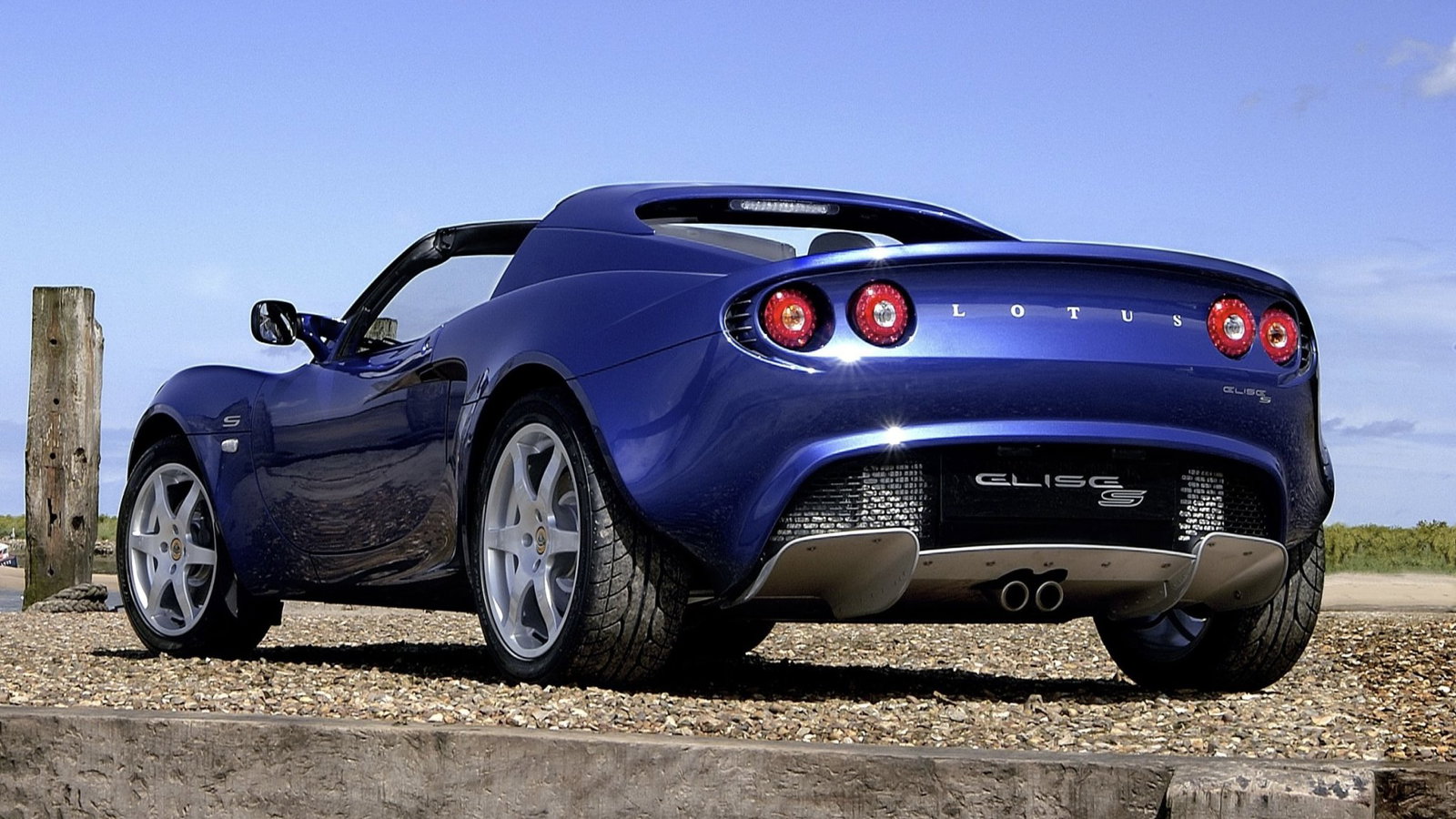
Lotus Elise S2
What is it? The beloved, ultra-lightweight Lotus Elise in its second form, which initially, was little more than a restyle of the now certified classic S1, although a big change came in 2004 when it made the switch from Rover to Toyota power.
What’s so good about it? Not much else bests an Elise for providing a pure, direct connection between driver and car. It’s living proof that in the real world, modest power, engaging handling and a scant kerbweight win out over big power and overbearing tech almost every time.
Any bad bits? You’d have to be very committed to try driving an Elise daily. Unsurprisingly, the later Toyota-engined cars are more reliable, and that means more desirable, and that means more expensive.
Honda S2000
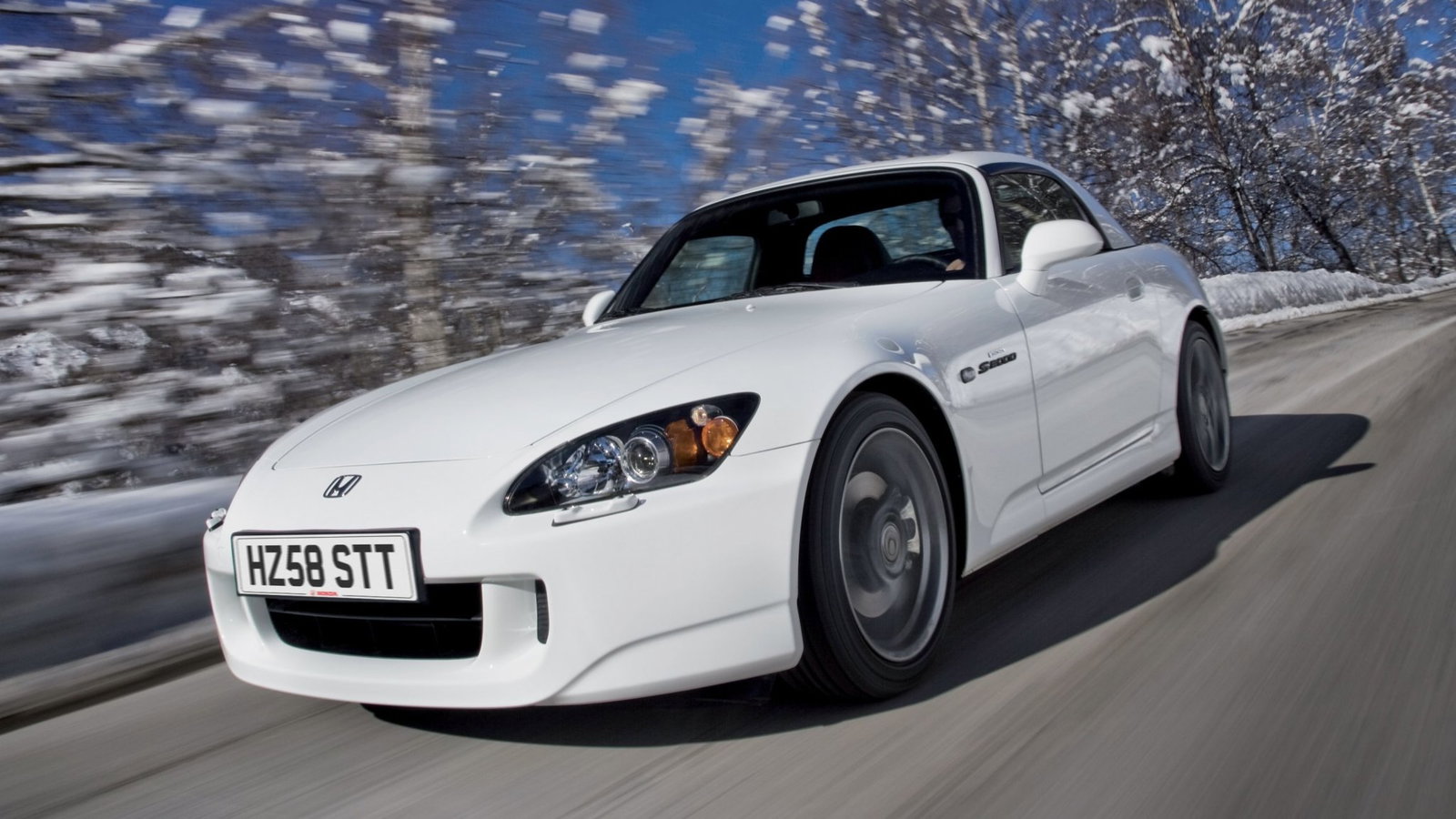
Honda S2000
What is it? Honda’s old-school two-seater roadster renowned in period for its screaming, 9,000rpm VTEC-equipped four-cylinder and its spectacularly high ownership satisfaction levels, and now a cult classic with values that have risen spectacularly over the last few years.
What’s so good about it? That 2.0-litre engine, mainly: when you really wring it out, there are few other sensations like it. The manual gearshift is also an absolute hall-of-famer. Generally, its legendary reputation for reliability when new has held out with age, too.
Any bad bits? Not everyone’s a fan of the sometimes twitchy handling, especially on earlier cars, and you have to work the engine hard to see what all the fuss is about. The ravages of time have surfaced a few reliability gremlins, too, mostly with timing chain tensioners.
Mercedes-Benz SLK 55 AMG
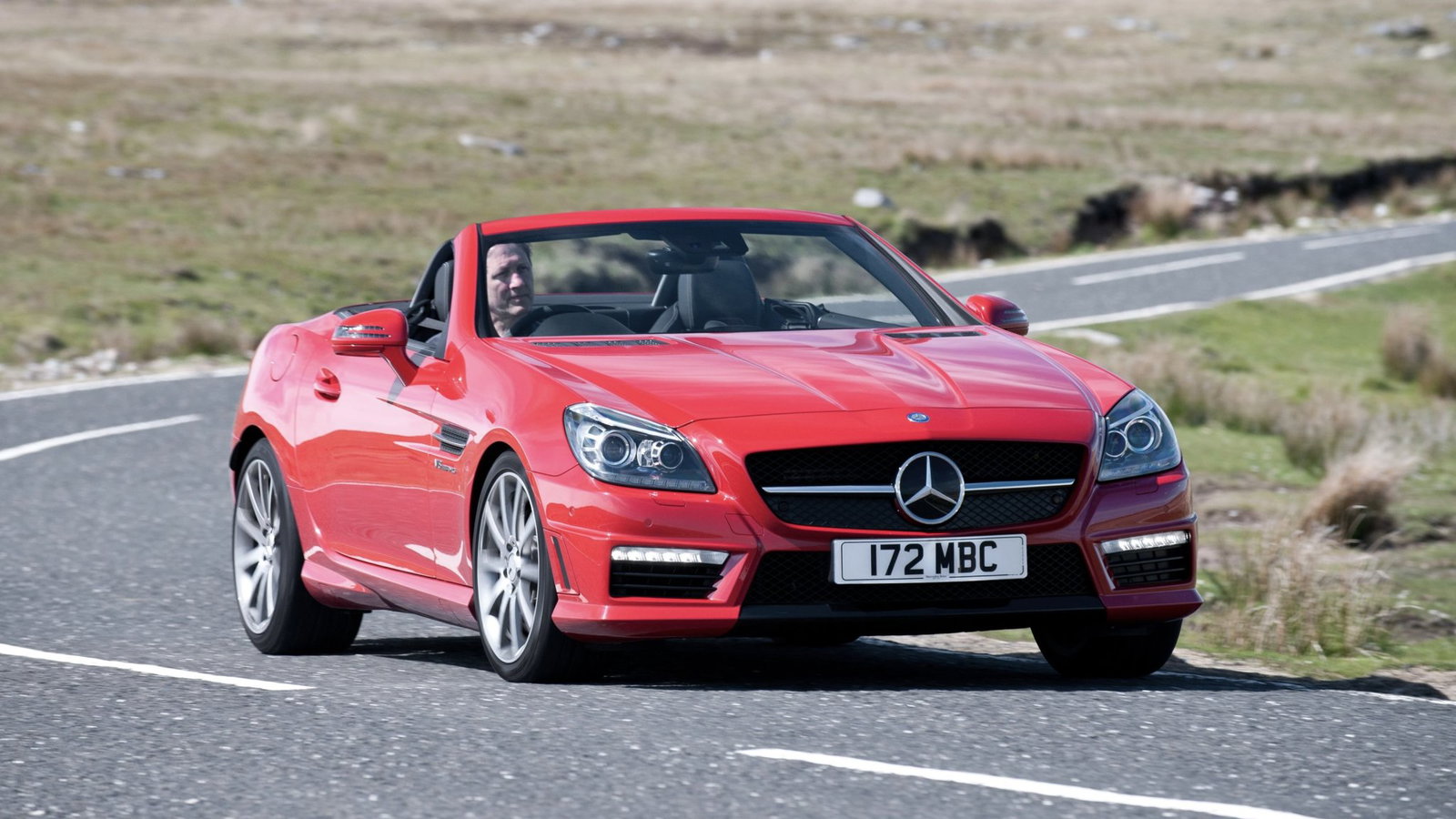
Mercedes-Benz SLK 55 AMG
What is it? The answer to the question ‘what happens if we cram a 5.5-litre V8 into the smallest sports car we make?’, a question Mercedes hilariously found itself asking not once but twice, with the SLK 55 sold across two generations.
What’s so good about it? Big engine + small car = huge fun. The first iteration of SLK 55 had 355bhp, and the second upped this to 416bhp, and this gave the car some serious poke to go with that intoxicating V8 soundtrack.
Any bad bits? Neither SLK 55 was the sharpest thing to drive, and they were auto-only too. Really, they’re best treated as charismatic top-down cruisers rather than scalpels for dissecting your favourite B-roads. Oh, and you’ll have to put fuel in a 5.5-litre V8.
Toyota GT86/Subaru BRZ
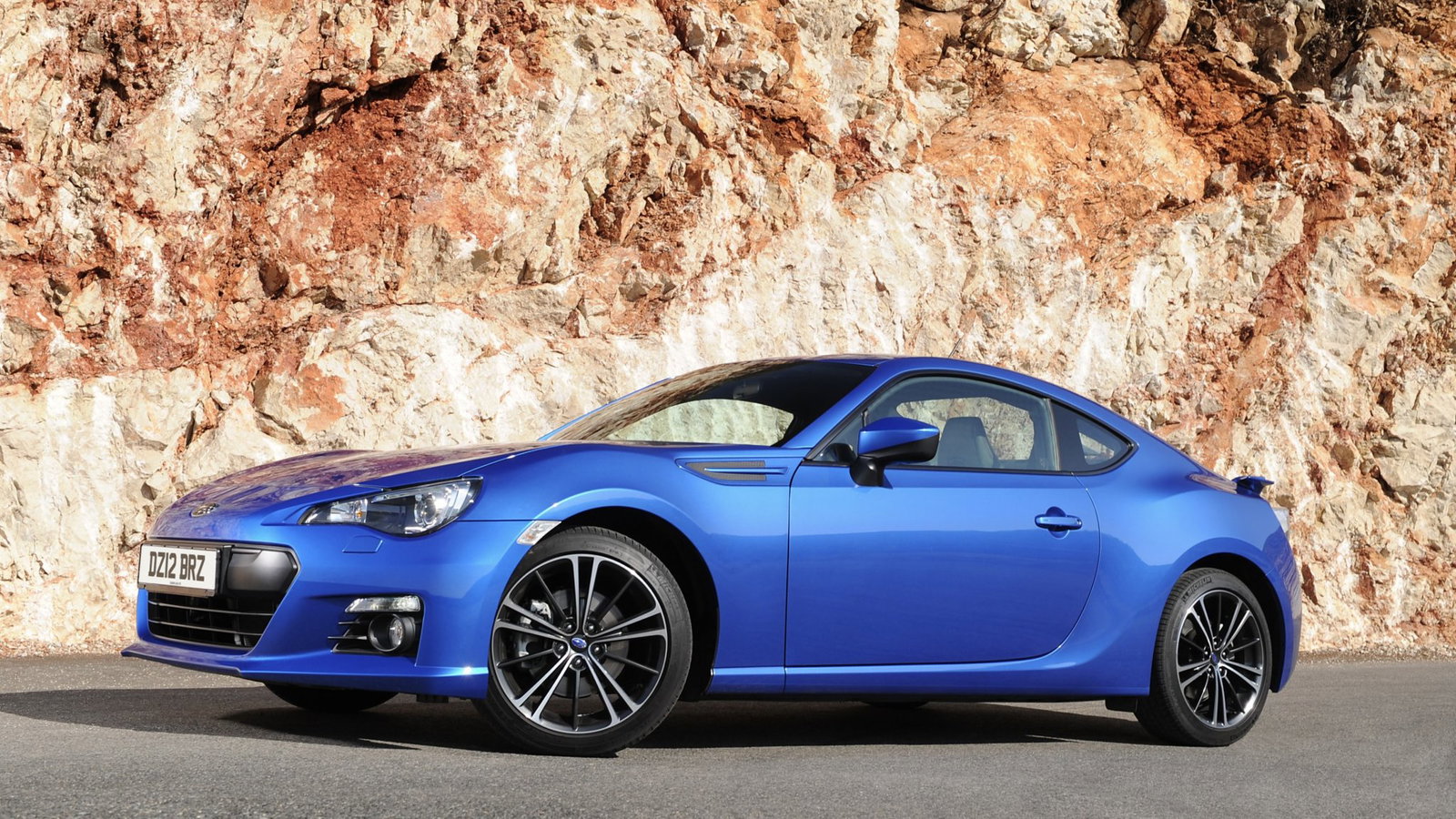
Subaru BRZ
What is it? Toyota and Subaru’s twinned 2010s rear-wheel drive sports cars, designed for real-world fun and involvement rather than outright performance. The only real differences between the two are the badges and minor styling tweaks, and both share the same 2.0-litre Subaru-developed flat-four.
What’s so good about it? In a car landscape that was becoming increasingly obsessed with tech and power, this back-to-basics duo showed that sometimes, the old ways are the best. Reliability is strong too, and if you’re put off by the modest standard spec, there’s huge aftermarket potential.
Any bad bits? As mentioned, the standard numbers weren’t going to knock anyone’s socks off, with out-of-the-box power never climbing above 204bhp. They came with a notorious torque flat spot between 3,000 and 5,000rpm too, although again, there are aftermarket solutions.
£40,000
Jaguar F-Type V6
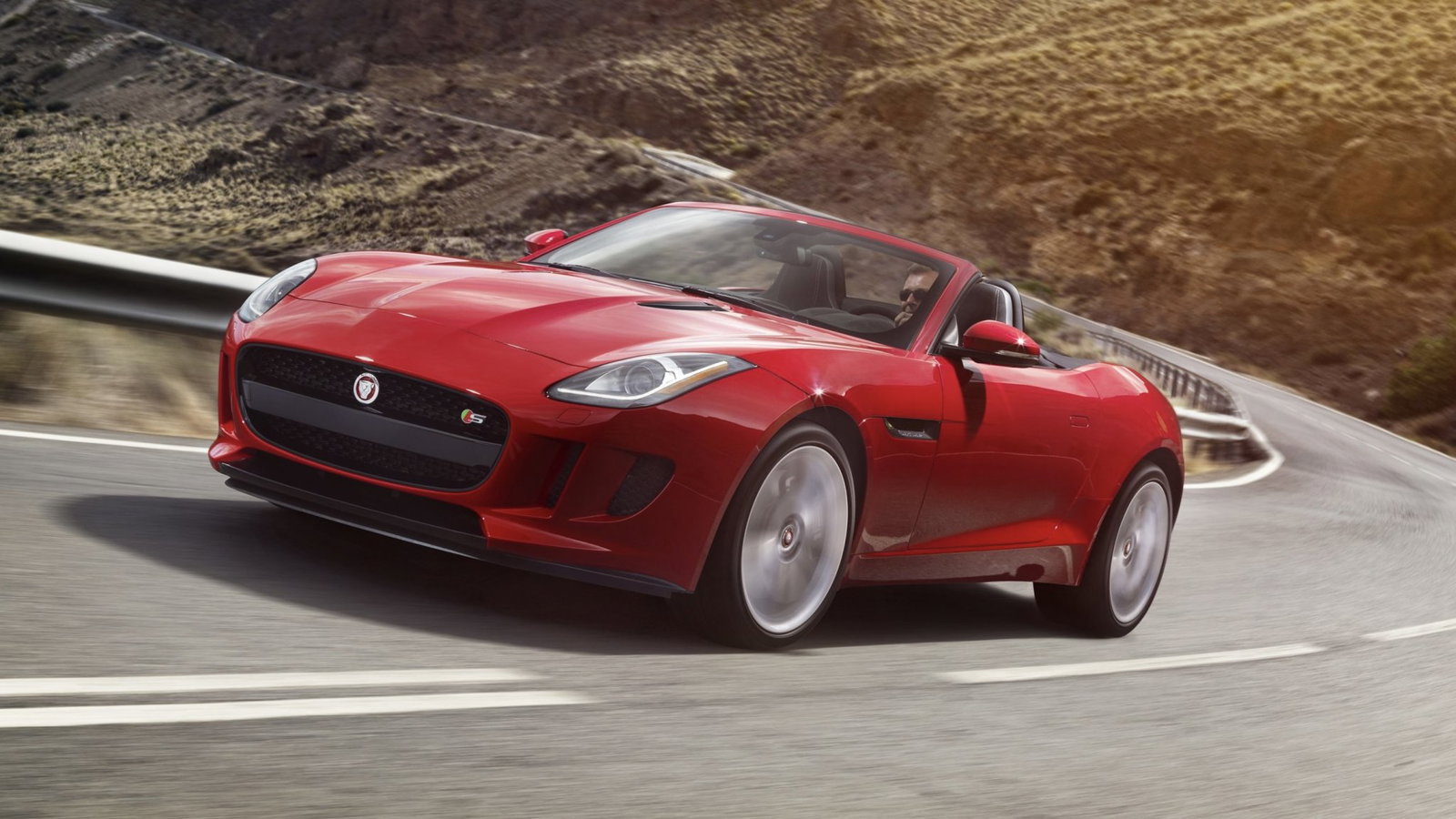
Jaguar F-Type V6 Roadster
What is it? Arguably the first proper Jaguar sports car since the E-Type, and almost certainly the last it’ll make with a petrol engine, the F-Type arrived to much fanfare in 2013 with coupe and convertible bodies and supercharged V6 and V8 powertrains. We’re highlighting the V6 as it offers more overall value for money.
What’s so good about it? The F-Type is utterly gorgeous from any angle, and though it’s not the flagship engine, the 3.0-litre supercharged V6 is a fantastic engine with a wonderfully gargly, crackly soundtrack. Even if it was never quite as sharp to drive as the contemporary Boxster and 911, it more than made up for that with sheer character.
Any bad bits? As you might expect from a Jag, its long-term reliability record is a little patchy. The roadster was fairly impractical too, and as easy as it is to be swayed by the fact the V6 versions came with a manual, it wasn’t a very good one – it pains us to say it, but you’re better with an auto.
Porsche 911 Carrera (997)
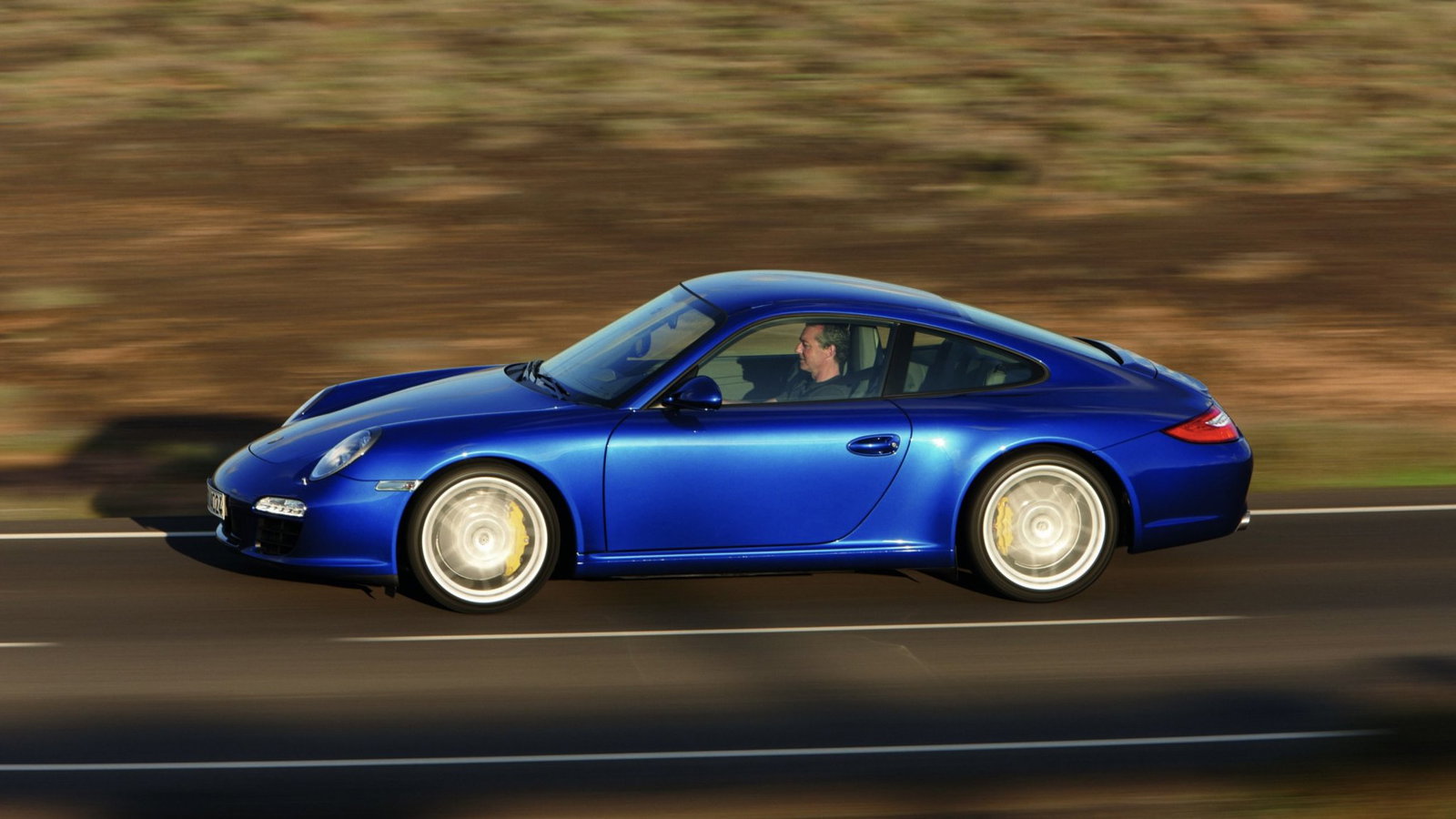
Porsche 911 Carrera S (997)
What is it? The definitive sports car, in perhaps its definitive guise, from an era that marked a real sweet spot in its blend of old-school charm and modern quality and usability, the 997 Carrera is quickly becoming one of the most desirable among the endless parade of 911 variants.
What’s so good about it? You probably don’t need us to add to the millions of words of praise that have been lavished on the 911 over the years, so we’ll just note that in terms of overall quality, reliability and real-world usability and performance, the 997 Carrera – pre- or post-facelift, standard or S, rear- or all-wheel drive – is probably all the 911 you’ll ever really need.
Any bad bits? Models from before the 2009 facelift can suffer from this era of Porsche flat-six’s notorious bore-scoring issues, although online horror stories will lead you to believe it’s more prominent than it really is. If an automatic is a priority, then it’s worth noting that only post-facelift cars got Porsche’s excellent PDK dual-clutcher. Before that, it was the less effective Tiptronic five-speed auto.
Alpine A110
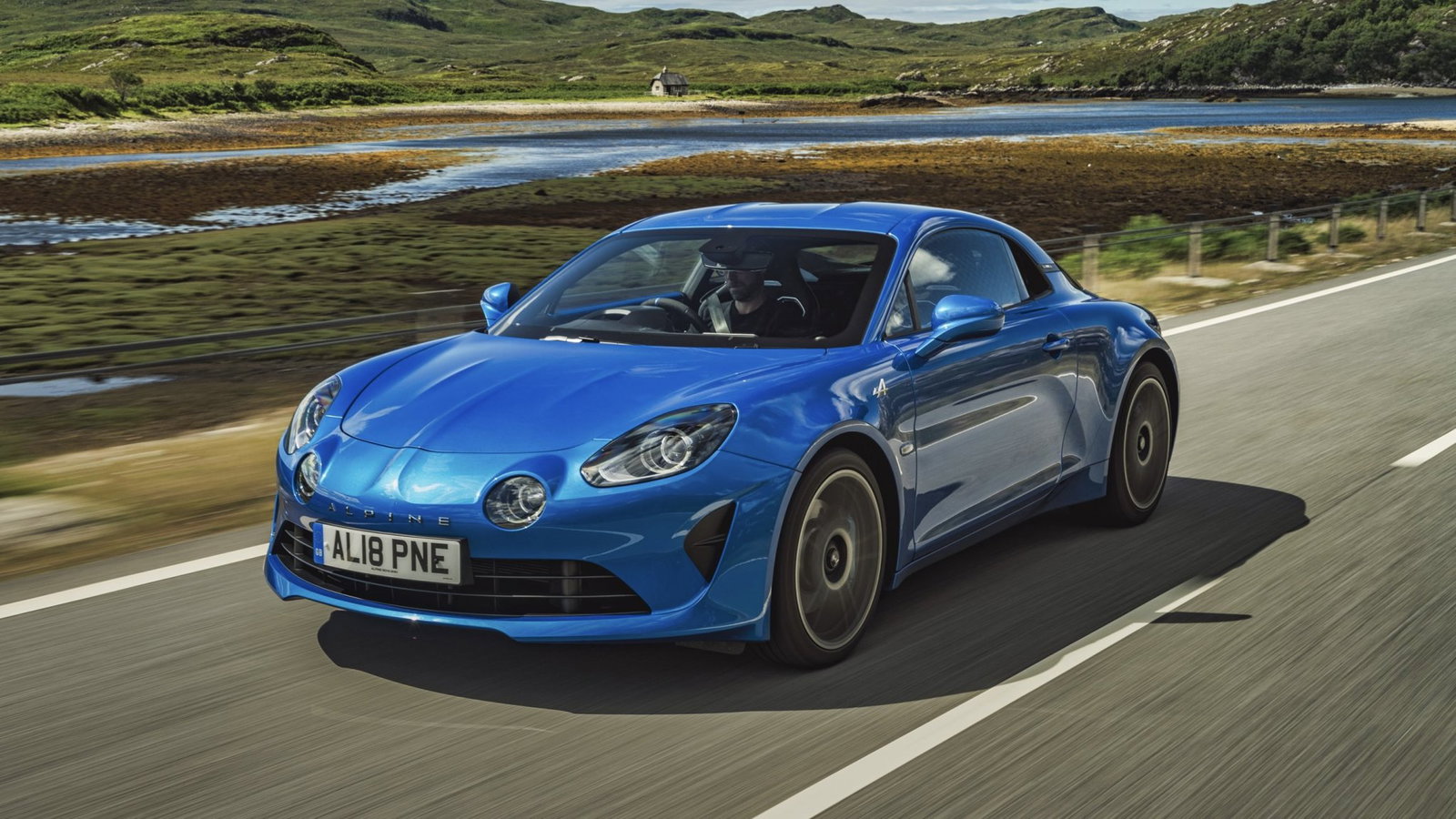
Alpine A110
What is it? A revival of a ’60s legend, and more proof that modest power and low weight is an utterly beguiling combination when it comes to a sports car, the modern-day Alpine A110 is a cult smash beloved by owners and the press if rather overlooked by the wider car world.
What’s so good about it? One drive in an A110 will have you wondering why more cars aren’t like this. Its focus on weight-saving makes it a singularly brilliant thing to drive along a good road, and yet unlike most other lightweight sports cars, it’s still liveable day to day. Reliability has been generally strong so far, with fuel pump failures the most commonly reported major issue.
Any bad bits? The 1.8-litre turbo engine is more functional than emotional, and it never had the manual gearbox many felt it should have. The interior’s also a little low-rent next to its sports car contemporaries, and practicality, while far from the worst, isn’t the best either.
Ford Mustang GT (S550)

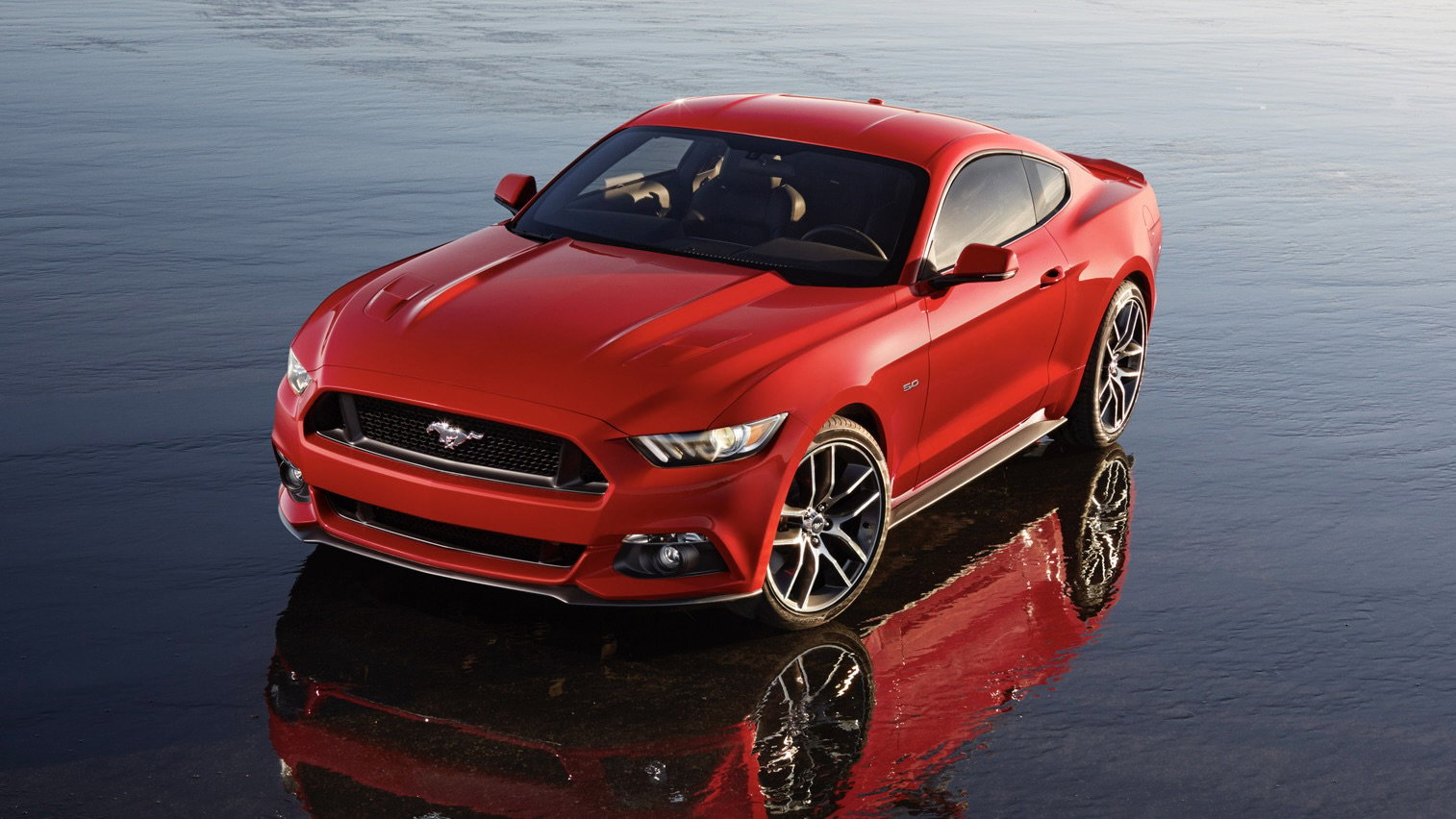
Ford Mustang GT (S550)
What is it? Ford’s legendary and long-lived pony car in its sixth generation, available for the first time in right-hand drive. Coming in coupe and convertible guises, you could get a 2.3-litre turbo four-pot, but you were rather missing the point if you didn’t opt for the 5.0-litre V8 GT model.
What’s so good about it? It’s one of a tiny handful of cars to offer a proper American muscle car experience in right-hand drive, right down to those evocative looks. There’s also very little else with the beguiling combo of a naturally aspirated V8 and a manual gearbox.
Any bad bits? Although it was easily the most sophisticated Mustang ever at its launch, getting fully independent rear suspension across the range for the first time, it’s still not exactly a razor-sharp sports car. You’re buying it for the character and the experience, not to bother a Lotus Elise down your favourite B-road.
£60,000
Audi R8 4.2
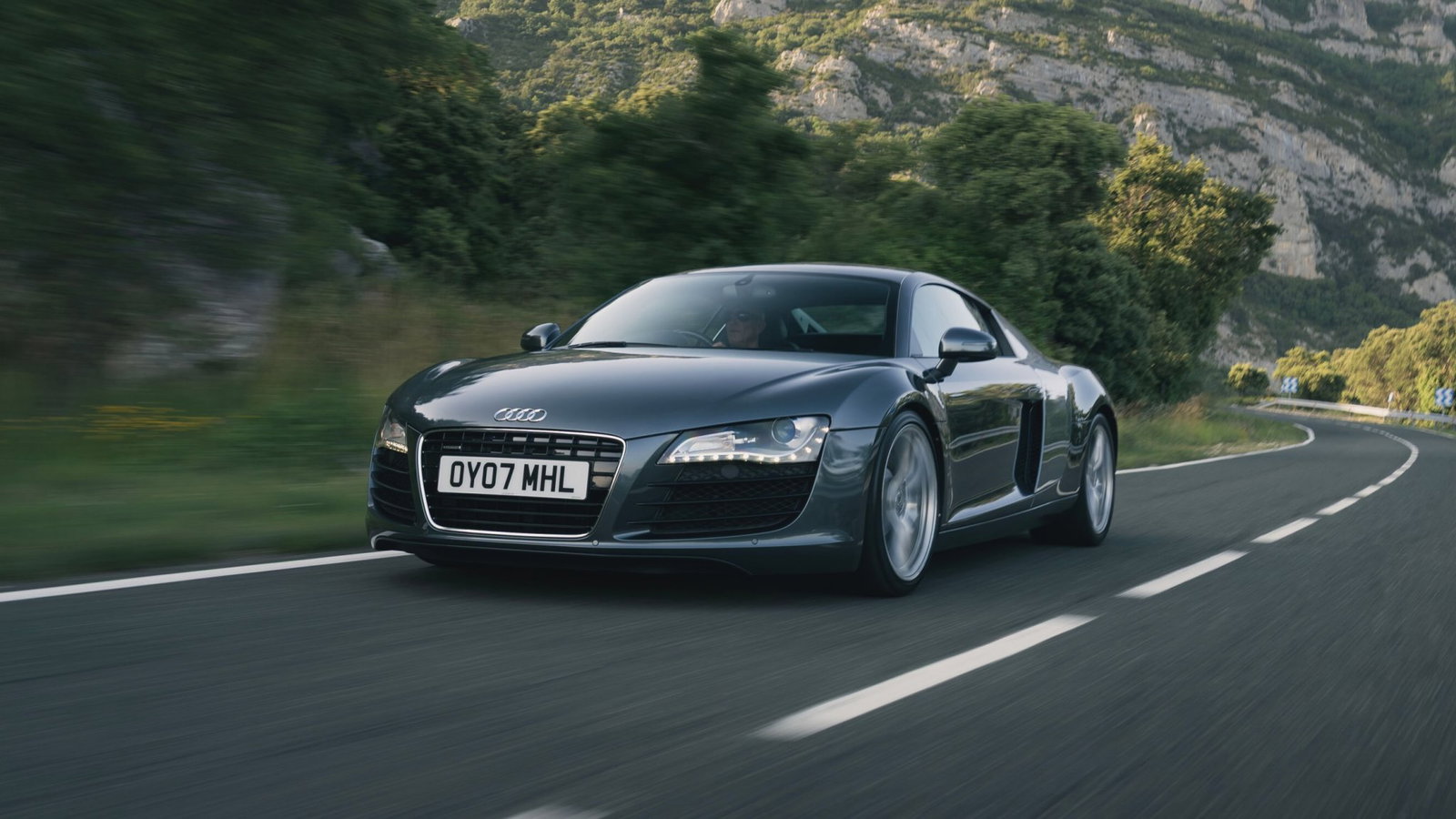
Audi R8 4.2
What is it? The car that picked up where the original Honda NSX left off as the de facto ‘everyday’ mid-engined sports car, in its original guise with Audi’s buzzsaw of a 4.2-litre V8 and a standard open-gated manual gearbox. A V10 came later, but the V8 is arguably the sweeter overall package.
What’s so good about it? That 414bhp V8 really is a peach of an engine, especially when mated to the aforementioned manual, but the R8’s appeal doesn’t end there. It’s beautifully made, and so unlike any other Audi before it in the way it flowed down a good road with grace, poise and involvement.
Any bad bits? Not a lot. As long as they’re well looked after, these first-gen R8s have proven fairly reliable cars. Naturally, though, when you’re knocking on the door of supercar status, the cost and complexity of maintenance can be a concern, so bear that in mind.
Porsche 718 Cayman/Boxster GTS 4.0
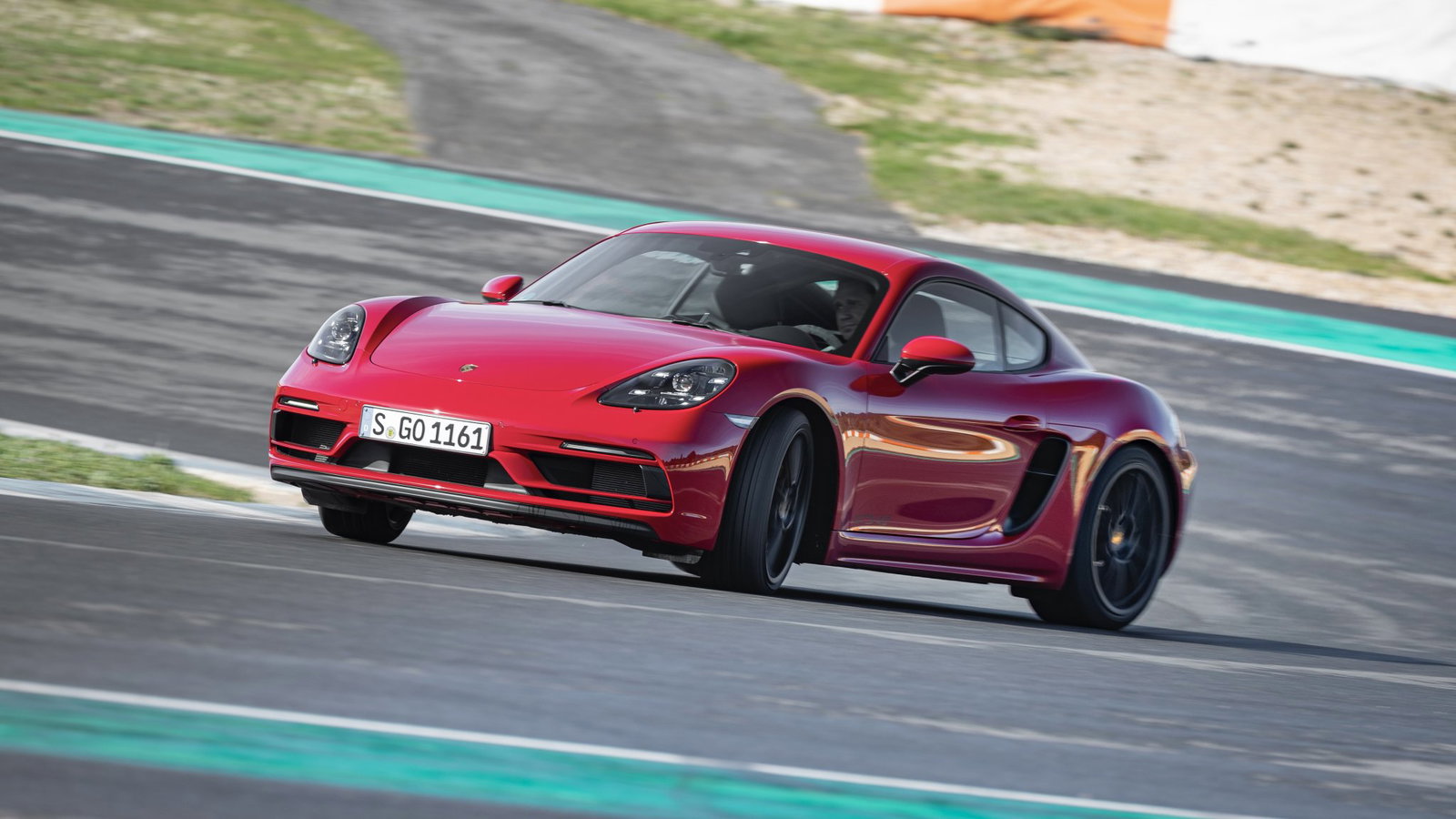
Porsche 718 Cayman GTS 4.0
What is it? The car the third-generation Porsche Cayman (and fourth-gen Boxster) should have been from the start. After launching with four-cylinder turbo power to a decidedly muted reception, a nat-asp flat-six returned for the GT4 and Spyder models before trickling down into the utterly wonderful and more attainable GTS 4.0 in 2020.
What’s so good about it? Everything. The way that engine howls, the absolutely pin-point perfect handling, the solid interior, the surprising practicality and fuel economy… This could well lay claim to being the most complete sports car package of the 21st century.
Any bad bits? Really, not many. It’s a new enough car that any widespread reliability issues haven’t made themselves known yet. The only real mark against it driving-wise are the hilariously long gear ratios on the manual version, but we’d still have it over the PDK.
Nissan GT-R
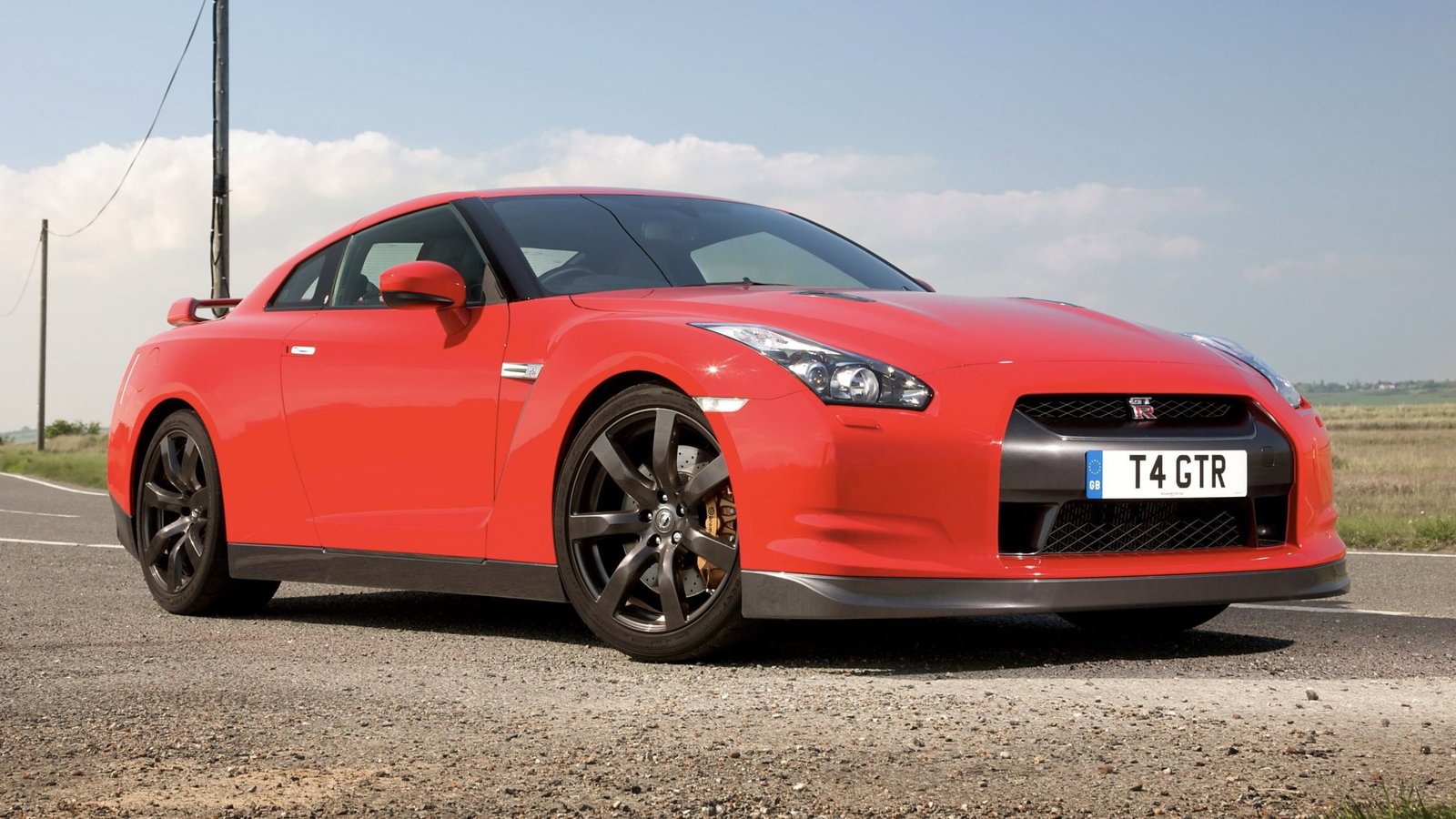
Nissan GT-R
What is it? The continuation of the Nissan Skyline GT-R bloodline, spun off into its own distinct model in 2007, and renowned for its supercar-slaying antics and absurdly long shelf life, production for Japan only wrapping up in 2025.
What’s so good about it? It was astonishingly, mind-warpingly quick and capable, with even its original 473bhp iteration more than capable of humbling much more powerful cars, but despite being a tech tour-de-force, it was also charismatic and engaging. Unlike most other cars on this list, it had genuinely usable back seats, and as long as a strict maintenance regime was stuck to, it was reliable.
Any bad bits? Its 3.8-litre twin-turbo V6 is highly tuneable, and there are probably more modified examples around than stock, so you’ll want to make sure these tweaks have been carried out properly and professionally. Alternatively, just have some patience and seek out an unfettled one.
Lotus Exige S3
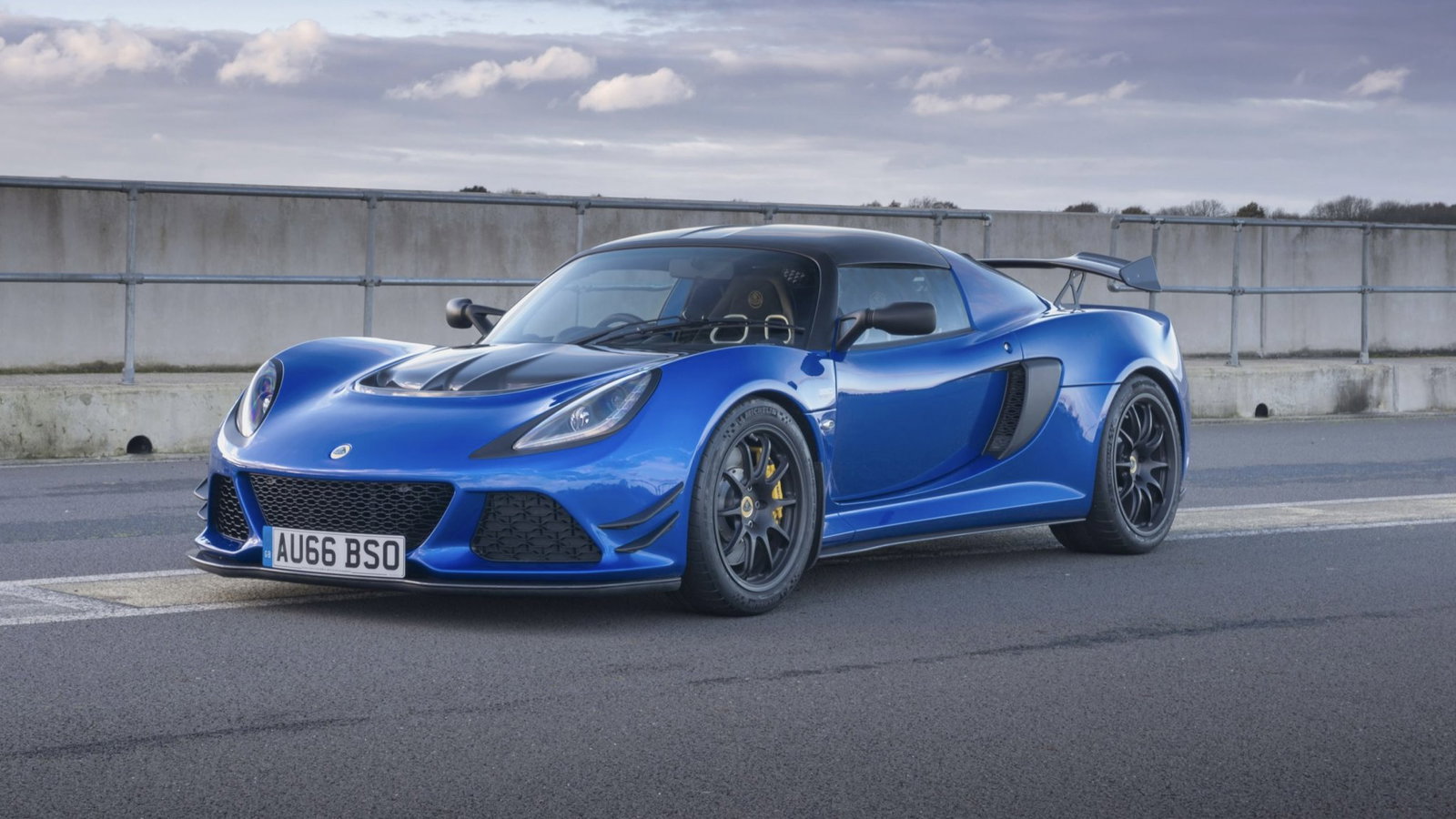
Lotus Exige S3
What is it? Basically, an Elise that’s been hitting the gym, and possibly supplementing its workout with some extra performance-enhancing substances (although it was actually more closely related to the Evora): bigger, wider, harder, and powered by a 3.5-litre supercharged Toyota V6 with at least 345bhp.
What’s so good about it? This is about as raw and exciting as modern sports cars get while still having stuff like doors and a roof. With a similar power-to-weight ratio to a contemporary 911 Turbo, rear-wheel drive and that big six providing a beguiling soundtrack, few other cars of its era did pure thrills better.
Any bad bits? That uncompromising attitude does naturally dent any daily credentials the Exige has: this is very much a second car, unless your daily commute happens to be on a racetrack.
£100,000
Aston Martin V12 Vantage
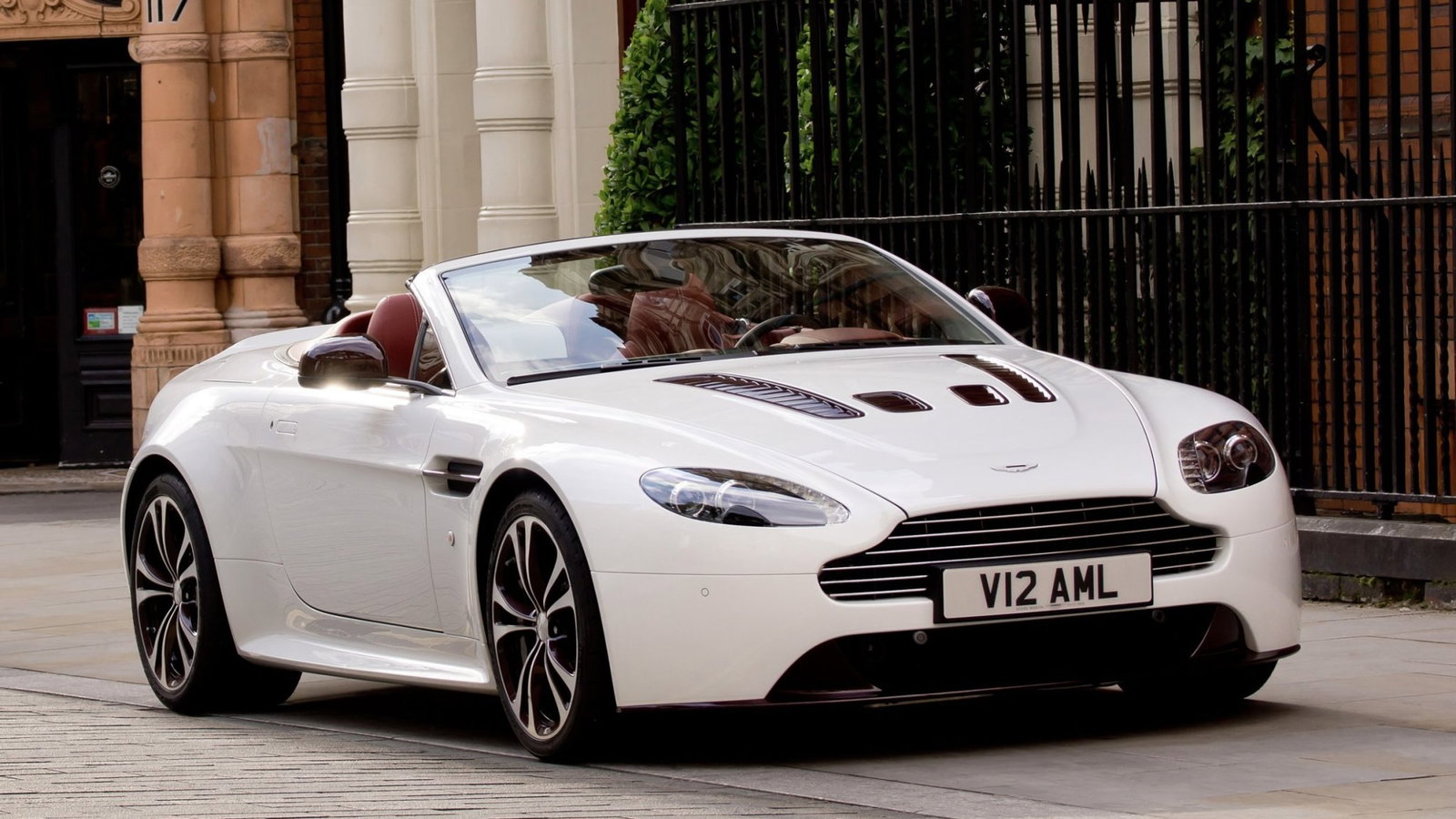
Aston Martin V12 Vantage Roadster
What is it? A proper factory hot rod job that saw Aston Martin put its biggest engine, a 5.9-litre, 510bhp V12, into its smallest and prettiest car, the jaw-droppingly gorgeous Vantage. The results were predictably bewitching, especially when fitted with the standard manual gearbox.
What’s so good about it? As a wise man once said, ‘Well, it’s an Aston Martin Vantage with a V12 engine. What do you think it’s going to be like?’ Later S versions upped power even more to 565bhp, and still remain comfortably within this budget.
Any bad bits? While there aren’t many major reliability horror stories floating around online, it’s a V12 Aston Martin, so it’s still going to need rigorous maintenance, and that won’t come cheap.
Porsche 911 GT3 (991)
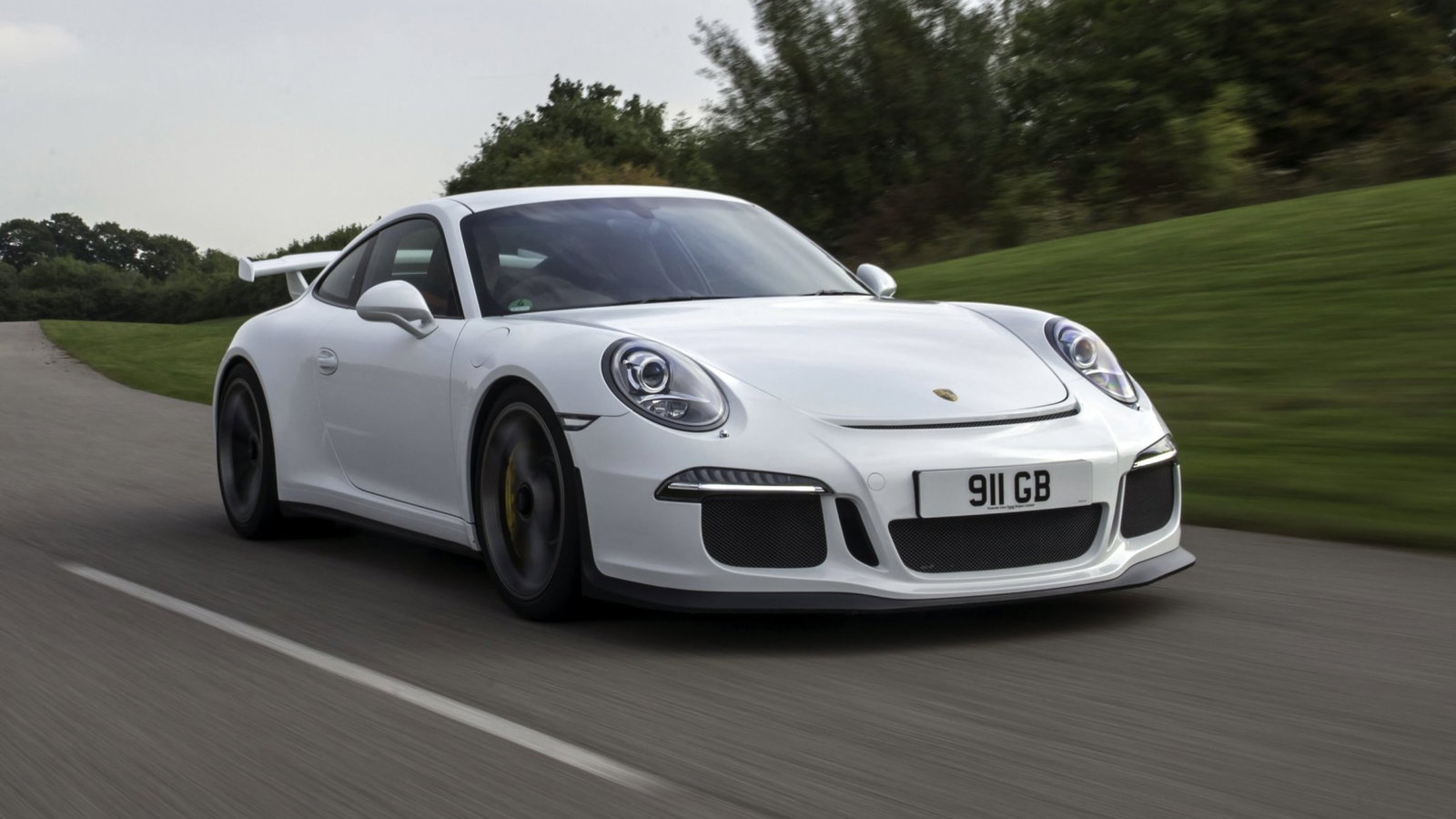
Porsche 911 GT3 (991)
What is it? The third iteration of the hardcore, track-honed GT3 version of the Porsche 911, this one launched in 2013 and was fitted with a glorious 3.8-litre flat-six that made 469bhp and revved to 9,000rpm. 2017’s facelift bumped that up to 4.0 litres and 493bhp, but only the pre-facelift cars have slipped below £100k.
What’s so good about it? Plenty has been said about the raw, raucous appeal of every version of the 911 GT3, and the 991 is no different. Even if it was bigger and heavier than its predecessor and lost the iconic Mezger engine and (initially) a manual gearbox, it remained a hugely intense, rewarding car to drive hard on both road and track.
Any bad bits? As mentioned, pre-facelift 991 GT3s only came with a PDK gearbox, and manual post-facelift cars command huge premiums. Early cars also had some well-publicised engine issues (some of which went viral for their, erm, thermal incidents), leading to Porsche providing a 10-year/120k-mile engine warranty. Most of these have now expired, but Porsche now offers a 15-year/unlimited mile Approved Warranty that also covers the engine.
Ferrari F430
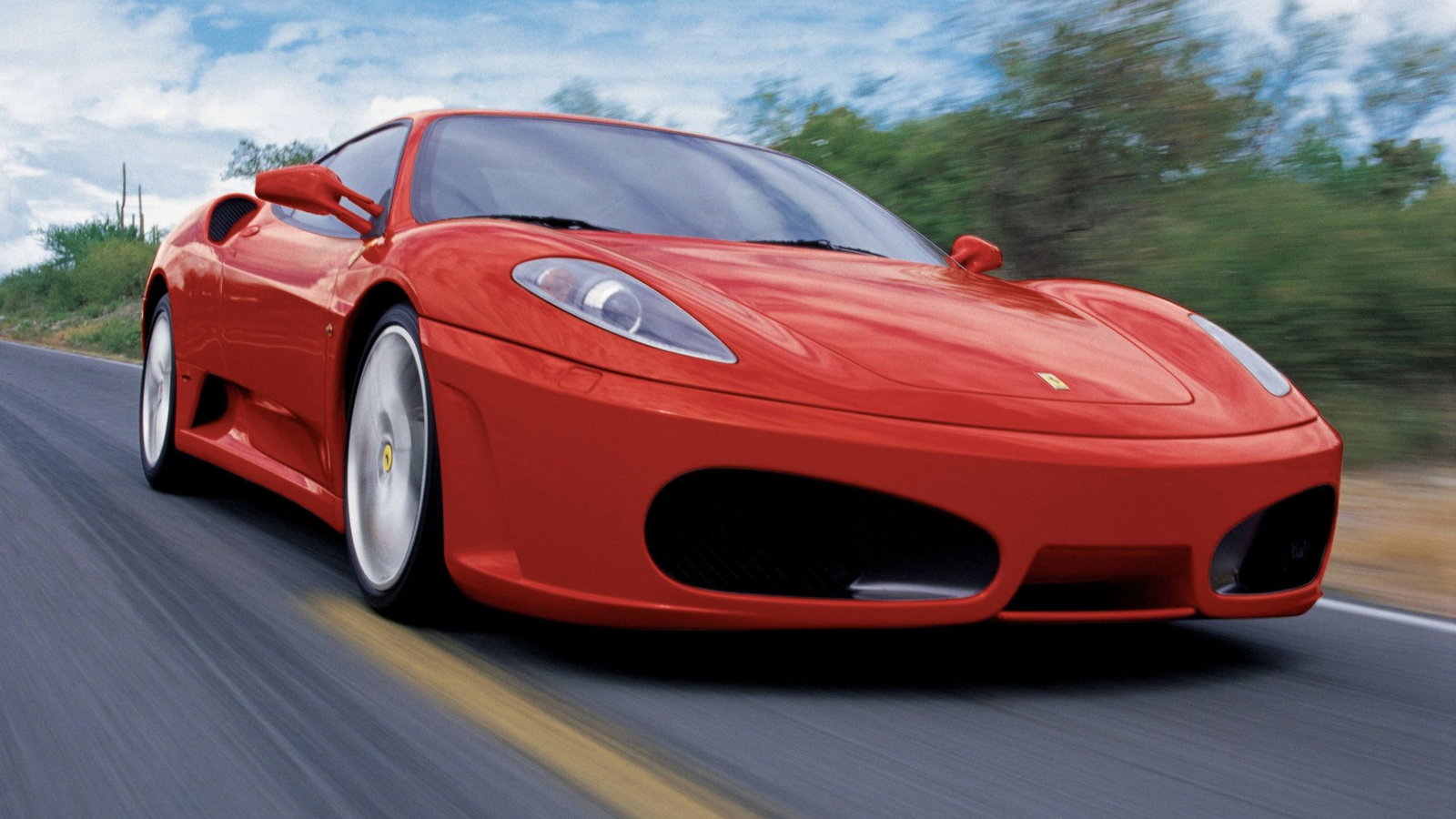
Ferrari F430
What is it? A proper, pukka mid-engined Ferrari berlinetta, complete with a barking flat-plane crank 4.3-litre, 483bhp V8 and a standard (but rare) open-gated manual gearbox. The F430 arrived when supercar buyers expected more than just flair, so it’s more amenable to regular use than older Ferraris, but still utterly scintillating to drive.
What’s so good about it? The telepathically good handling, the hard-edged bark of that engine, the fact that, if looked after properly, it’s a generally reliable car, and simply getting to own a Ferrari.
Any bad bits? Routine maintenance costs, for one. Then there’s the gearbox conundrum: the manual is far rarer and commands way more money on the used market, and the only other option, the semi-auto F1 paddleshift gearbox, only shows its best side during hard driving. And on the flipside to the whole ‘owning a Ferrari’ thing, quite a lot of people might hate you.
Mercedes-AMG GT R
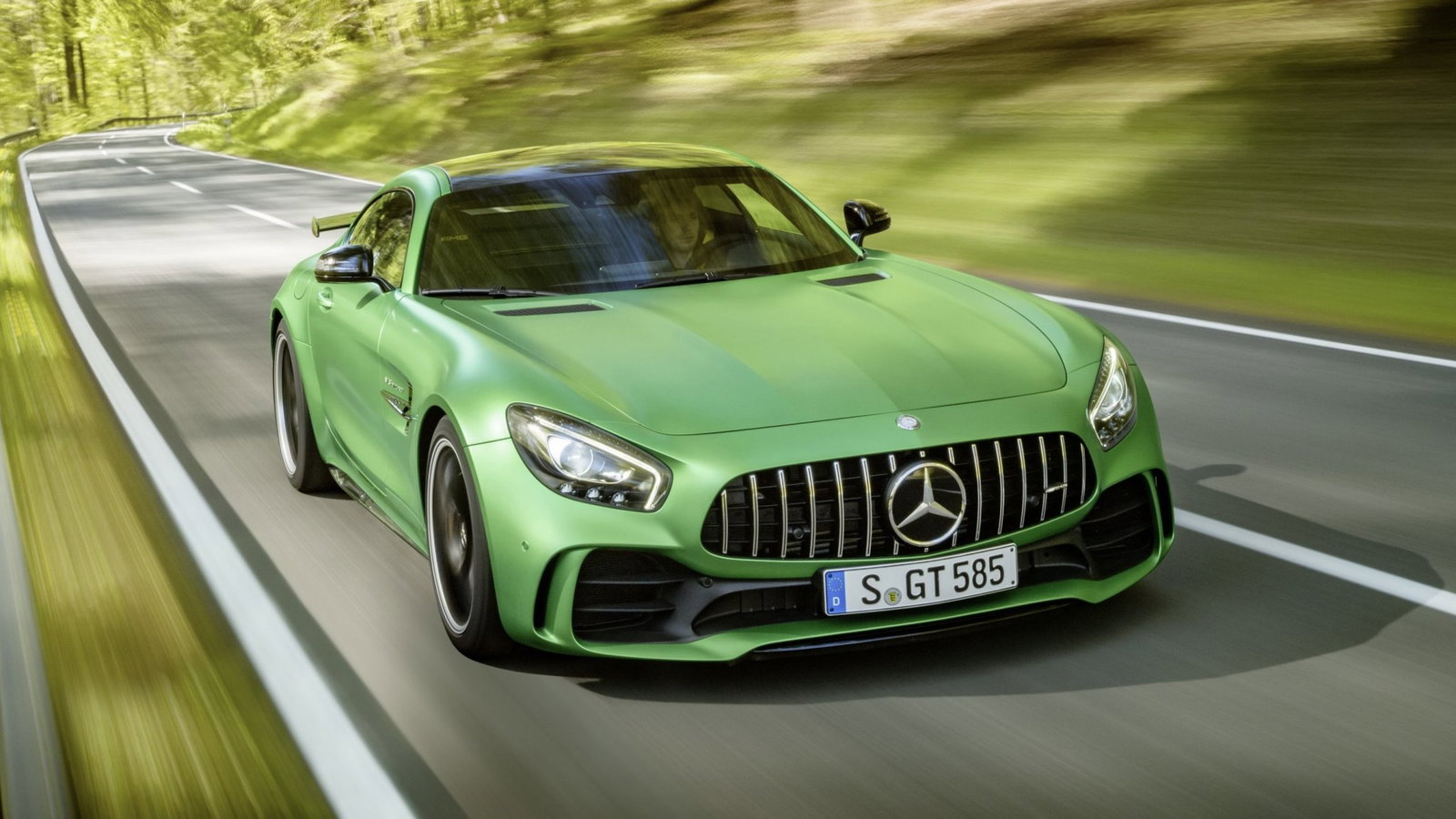
Mercedes-AMG GT R
What is it? Mercedes’ fully AMG-developed 2010s grand-tourer-stroke-sports-car in musclebound, track-focused form, with its 4.0-litre twin-turbo V8 pumped up to 577bhp and a hilariously complicated nine-stage traction control system helping keep things in check.
What’s so good about it? This was a savagely fast and enormously capable car of multiple personalities: composed and grippy when you wanted it to be, and able to quickly transform its tyres into a lot of lingering smoke and burning smells when you didn’t. Despite its hardcore remit, it was plush inside too, and brought a beguiling soundtrack to the table.
Any bad bits? It’s a big, wide, unwieldy car, and fairly uncompromising in its on road manners. It’s not exactly going to be cheap to run, either, but then what exactly are you expecting if you’re spending nearly £100,000 on a V8 AMG Mercedes?
Read the full article here


