






A tasty set of alloy wheels can completely transform the look of a car. But get them wrong and even an otherwise handsome model can look like it has taken an ill-advised trip through Halford’s accessory aisle.
Occasionally, though, manufacturers create a wheel so perfectly matched to a particular car that it becomes almost impossible to picture one without the other. From Alfa Romeo’s unmistakable teledials to the gold Speedlines of the Renault Clio Williams, here are six of the finest factory alloys ever fitted to a production car.
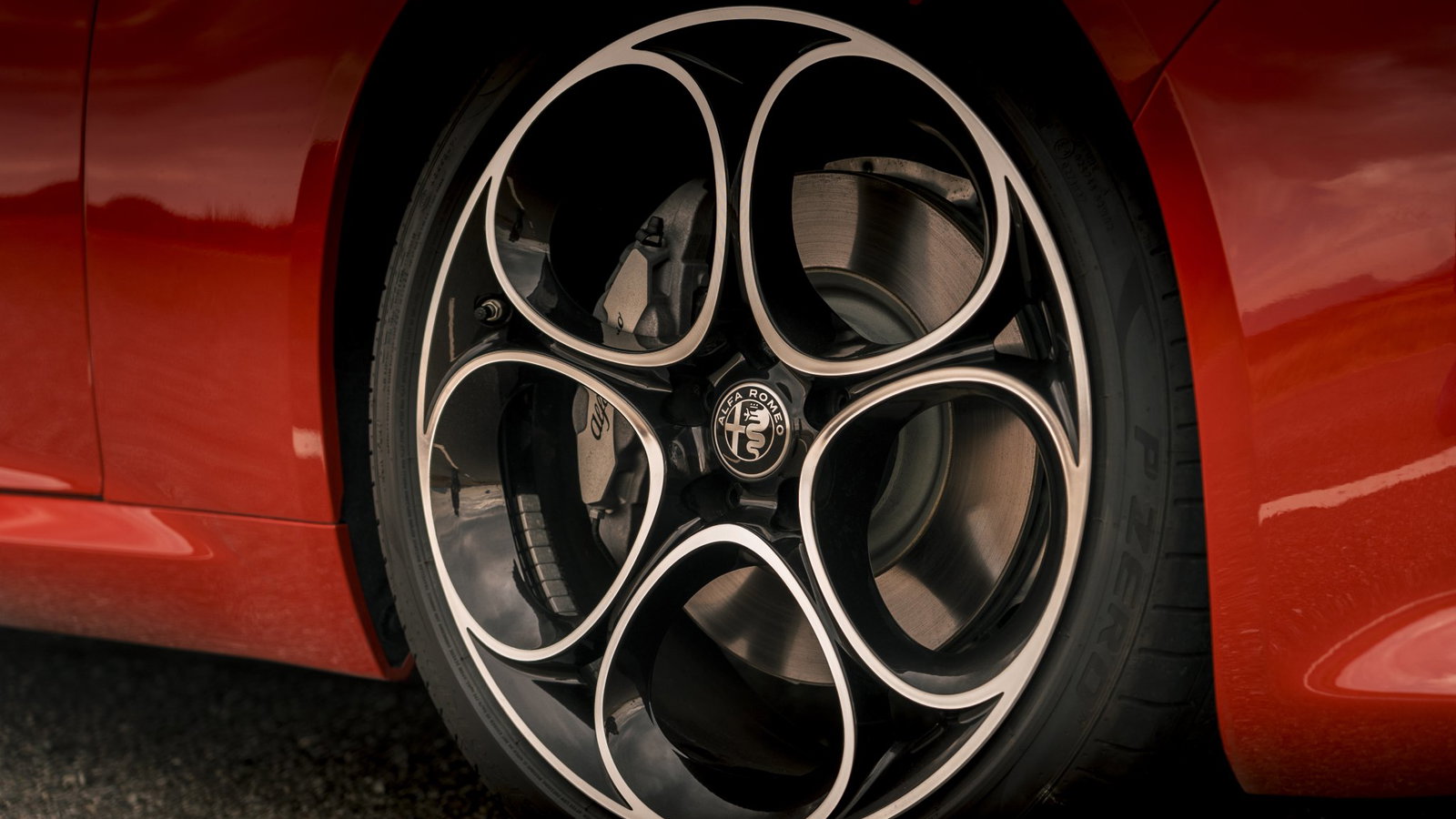
Alfa Romeo teledials
Alfa Romeo Teledial wheels
Few wheel designs are as closely associated with a single manufacturer as Alfa Romeo’s gorgeous teledials. Named after their resemblance to an old rotary telephone, the circular openings are instantly recognisable and manage to look both elegant and slightly aggressive at the same time.
The theme can be traced back to the stunning Alfa Romeo 33 Stradale of the 1960s, although it has since been reworked for models including the GTV, 156 GTA, 4C, Giulia and even the hulking Tonale SUV. The size and shape may have changed over the years, but the basic formula has remained unmistakably Alfa.
They work particularly well because the holes do more than simply look good, revealing the brakes behind them and giving even fairly ordinary models an added sense of oomph. Indeed, some fans may even suggest the Teledials have become almost as important to Alfa’s visual identity as its shield-shaped grille.
BMW Style 37 M Parallels

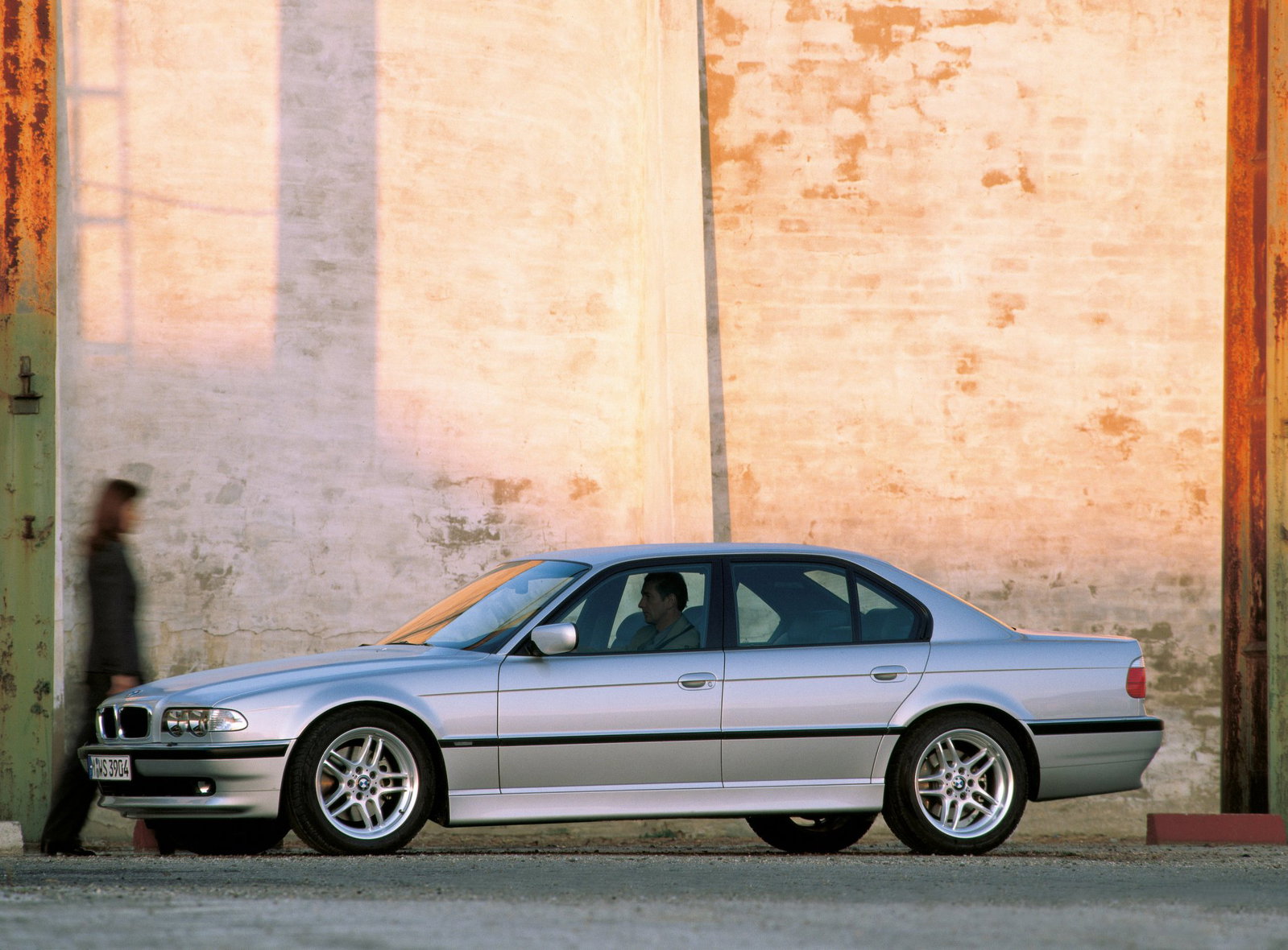
BMW Style 37 M Parallels
BMW has produced more memorable alloy designs than most manufacturers, but the Style 37 – better known as the M Parallel – might be the best of the lot.
Closely associated with the E38 7 Series and E39 5 Series, the 18-inch wheels use five pairs of thick, parallel spokes with a deep outer lip. They are simple enough not to distract from the clean styling of either car, but still have enough presence to make the BMW sitting above them look considerably more expensive.
They arguably look best on the E38, where their broad, polished faces suit the big saloon’s low and imposing shape. Plenty of aftermarket wheels have attempted something similar since, but the genuine Style 37 remains difficult to improve upon.
Saab Super Aero three-spokes

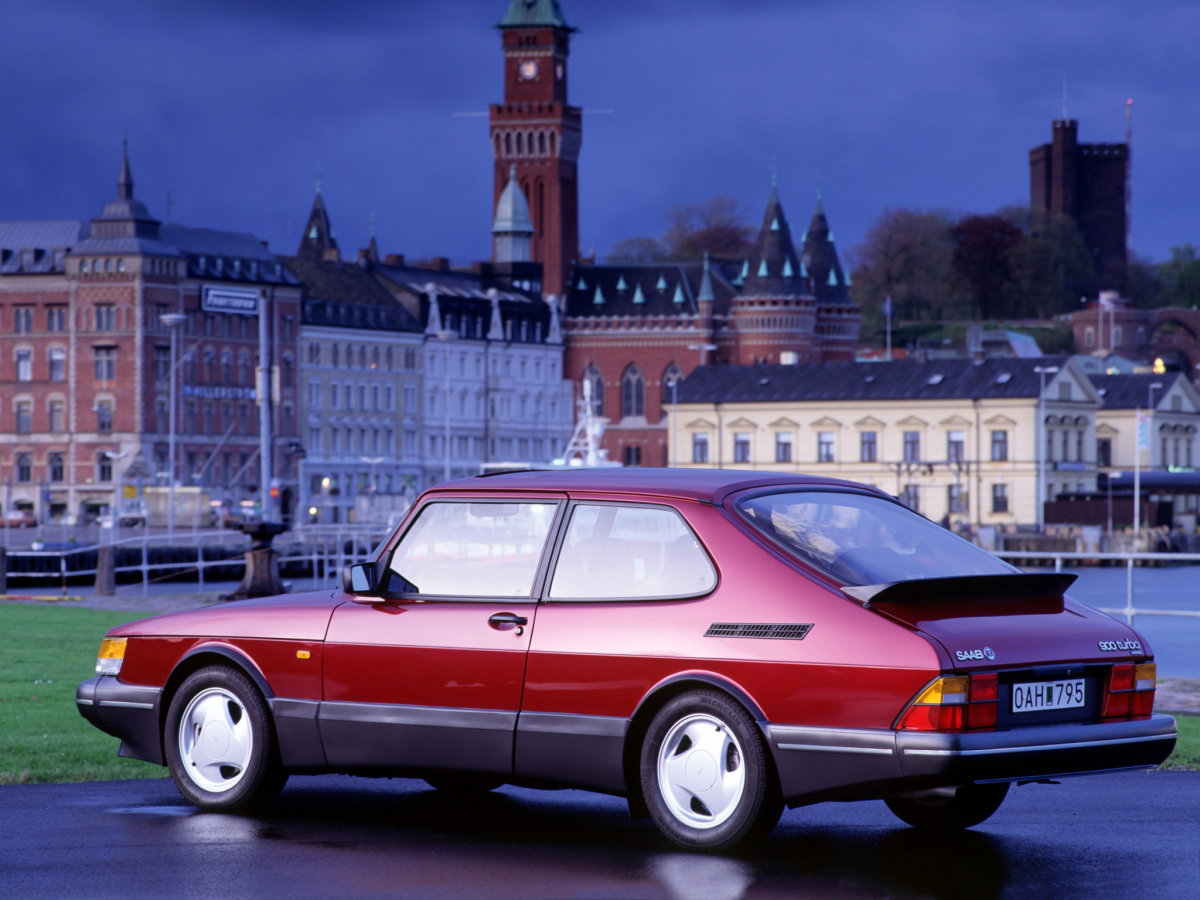
Saab Super Aero three-spokes
Most three-spoke wheels look as though somebody forgot to finish designing them. But Saab’s Super Aeros are a very notable exception.
Fitted as standard to the 9000 Aero, the 16-inch Ronal-made wheels feature three vast, softly curved spokes surrounded by a deep outer rim. It is a fairly unconventional design, but then the 9000 Aero was hardly a conventional performance car.
The wheels capture exactly what made Saab so interesting; strange, functional and completely different from anything offered by the brand’s German opposition, yet they somehow look entirely natural beneath the 9000’s squared-off bodywork. Like the car itself, their appeal comes partly from the fact nobody else would have thought to do things quite the same way.
Renault Clio Williams Speedlines

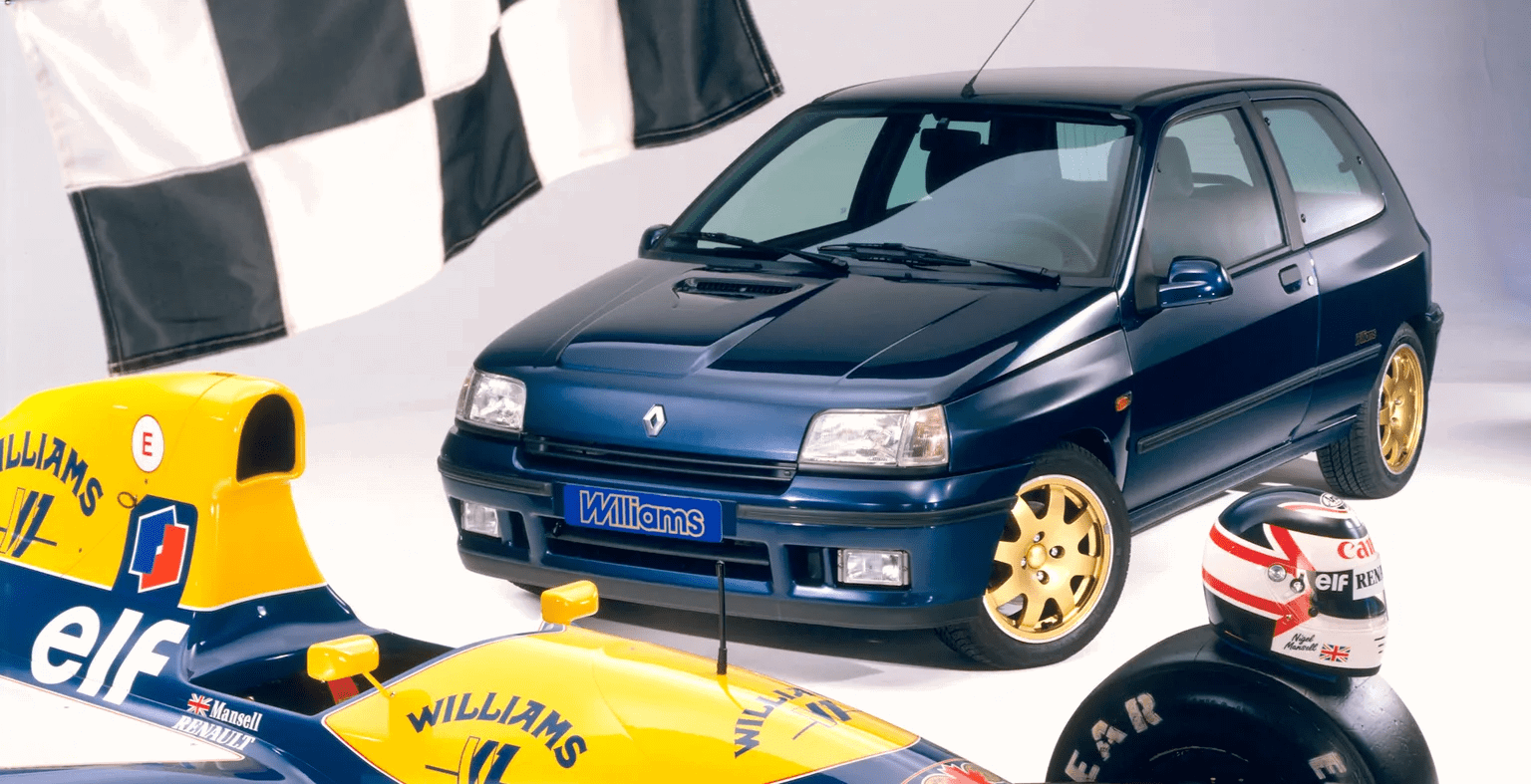
Renault Clio Williams Speedlines
The Renault Clio Williams would still be one of the most desirable hot hatchbacks of the 1990s without its wheels – but it probably wouldn’t be quite as instantly recognisable.
Its 15-inch Speedline alloys were finished in gold, contrasting brilliantly with the Williams’ only available exterior colour, Metallic Sports Blue. The relatively simple multi-spoke design also gave the little Renault the appearance of a road-going rally car without looking excessively complicated or oversized.
It is the combination that makes them so special. Put the same wheels on almost anything else and the gold finish may look a bit much, but beneath the widened arches of the Clio Williams they are pretty much spot on. Blue paint, gold wheels and yellow fog lights should not necessarily work together, yet Renault somehow made it work superbly well.
Porsche Fuchs

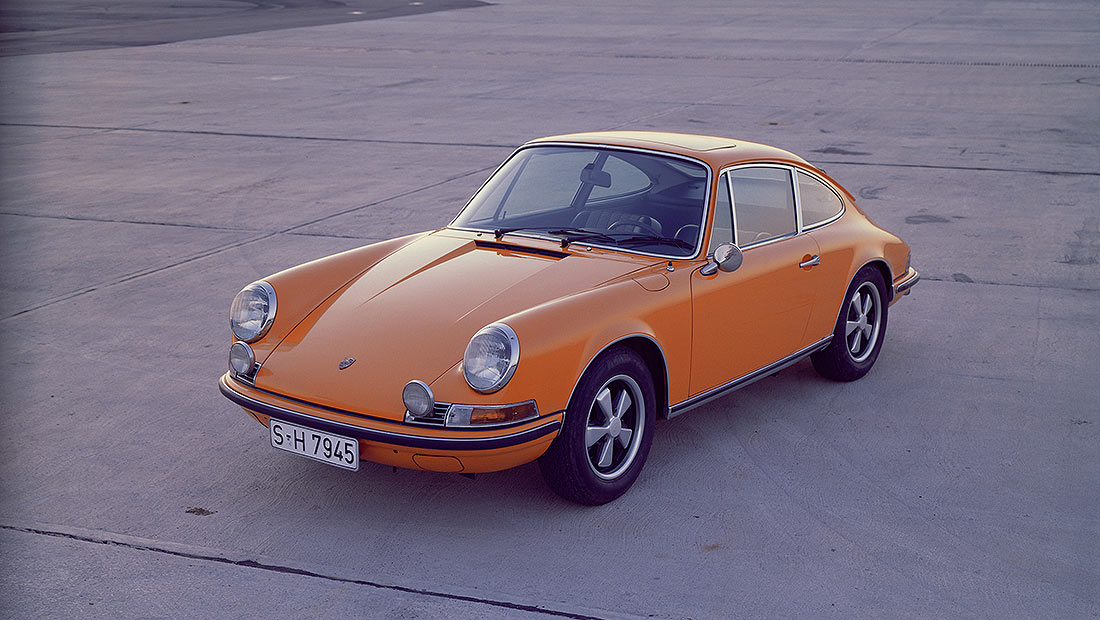
Porsche Fuchs
Some factory wheels become associated with a particular model and perhaps nothing demonstrates that more than Porsche’s Fuchs wheels – which have become part of the visual identity of the 911 itself.
Developed with metals expert Otto Fuchs, the forged aluminium wheels first appeared on the 1967 model-year 911 S. Their construction made them lighter than the standard steel wheels, reducing unsprung weight, while their distinctive five-leaf design gave the new performance model a look of its own.
Different sizes and finishes have since followed, including the wide, deep-dished versions used by the 930 Turbo, but the fundamental shape remained the same. More than half a century later, Porsche still uses modern interpretations of the design on heritage-inspired 911s, which tells you just about everything you need to know about its staying power.
Volvo Pegasus wheels

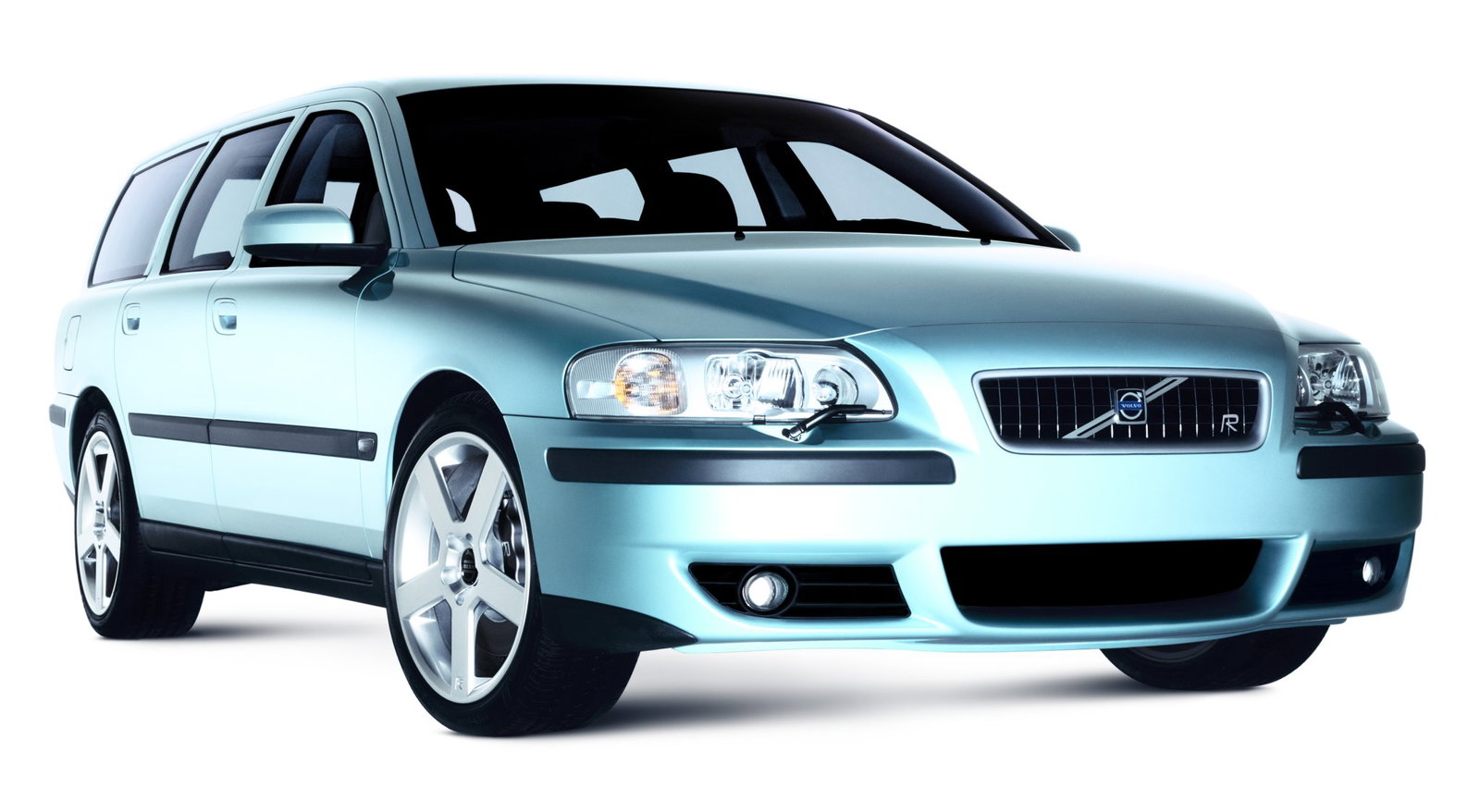
Volvo Pegasus wheels
Volvo’s Pegasus alloys are nowhere near as elaborate as some of the other wheels on this list and that is exactly why they work.
Designed for the early-2000s S60 R and V70 R, the five broad spokes have a sturdy, almost industrial appearance that suits a rapid Volvo perfectly. Offered in 17 and 18-inch forms, they also carried a small ‘R’ marking on one spoke, providing a subtle clue that the car wearing them was rather more serious than an ordinary family saloon or estate.
They look especially good on the V70 R, where the simple design complements the estate’s huge, upright body without trying too hard to make it resemble a sports car. Pegasus wheels are understated, tough-looking and immediately recognisable – which is about as Volvo as an alloy wheel can possibly get.
Read the full article here


