





The VW Polo is going electric. Shortly after celebrating its 50th birthday, Volkswagen’s beloved supermini is becoming the ID Polo, first previewed in 2023 by the ID2 concept and entering production this year as a major entrant in Europe’s growing electric supermini segment.
There’s some good news for enthusiasts, though: an ID Polo GTI is on the way, and with 223bhp on tap (and potentially more from a rumoured Clubsport version), it’s set to be the most powerful road car ever to wear Polo badges. But what car will it be dethroning? Surely it’s the outgoing Polo GTI with 204bhp from its 2.0-litre turbocharged four-pot? Well, not quite.
Volkswagen Polo R WRC
Back in 2012, Volkswagen was preparing to enter the following year’s World Rally Championship, a sport it would go on to dominate for four straight years before dropping out at the end of 2016 in the wake of the Dieselgate scandal. Its car of choice was the then three-year-old fifth-generation Polo (the 6R, for chassis code fans), which already had some sporty cred in the form of a GTI version featuring VW’s curious 178bhp, turbocharged and supercharged 1.4-litre TSI engine.
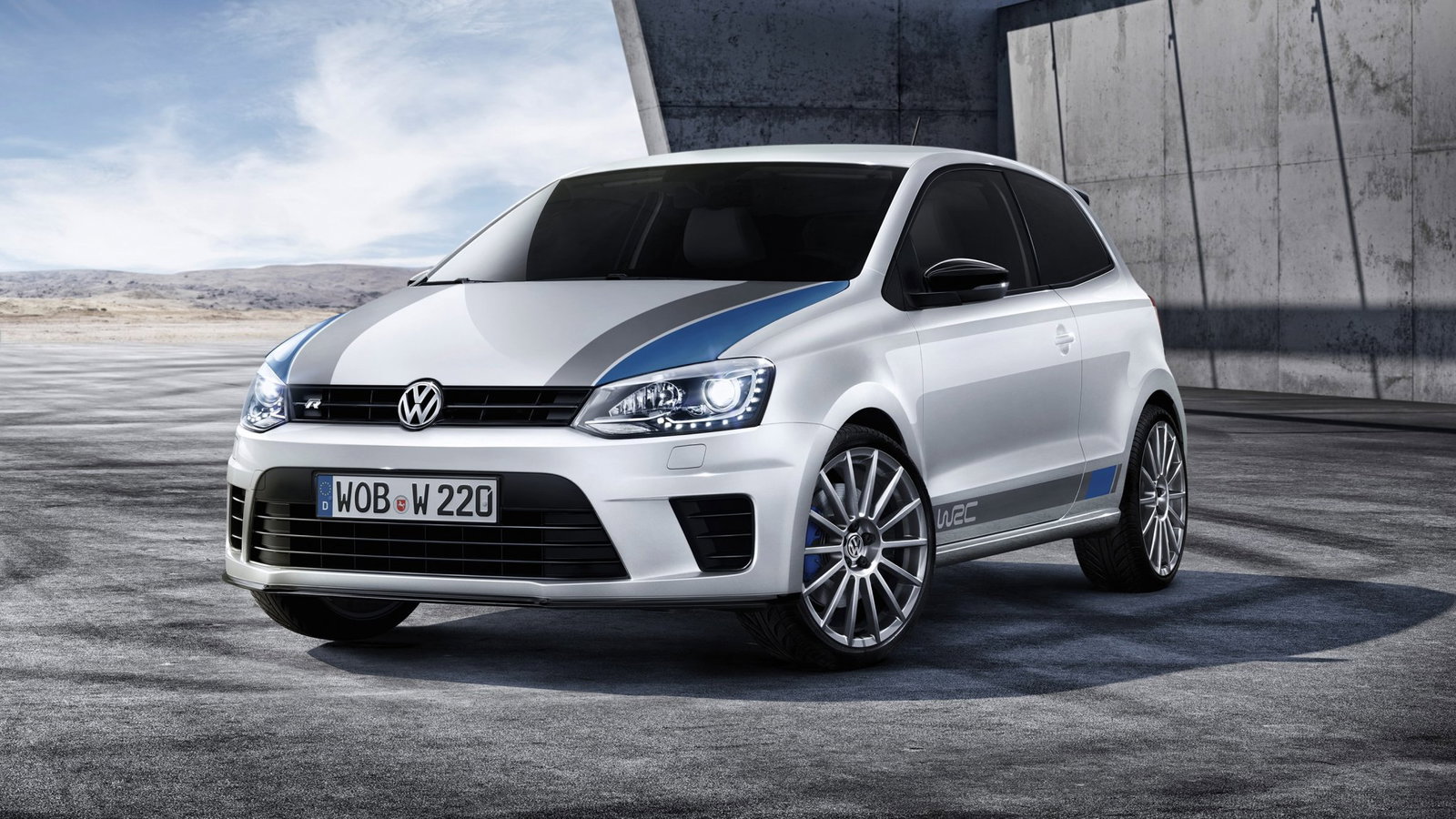
VW wanted to whet people’s appetite for its rallying entry, though, so at 2012’s Wörthersee GTI fan meetup (RIP), it rolled out a concept called the Polo WRC Street. Bedecked with a more aggressive bodykit, 18-inch rally-style wheels and some in-yer-face stripes in Volkswagen Motorsport blue and grey, it was powered by the same 2.0-litre turbo engine you got in the Golf GTI at the time, but with an extra 10bhp taking it to 217bhp overall.

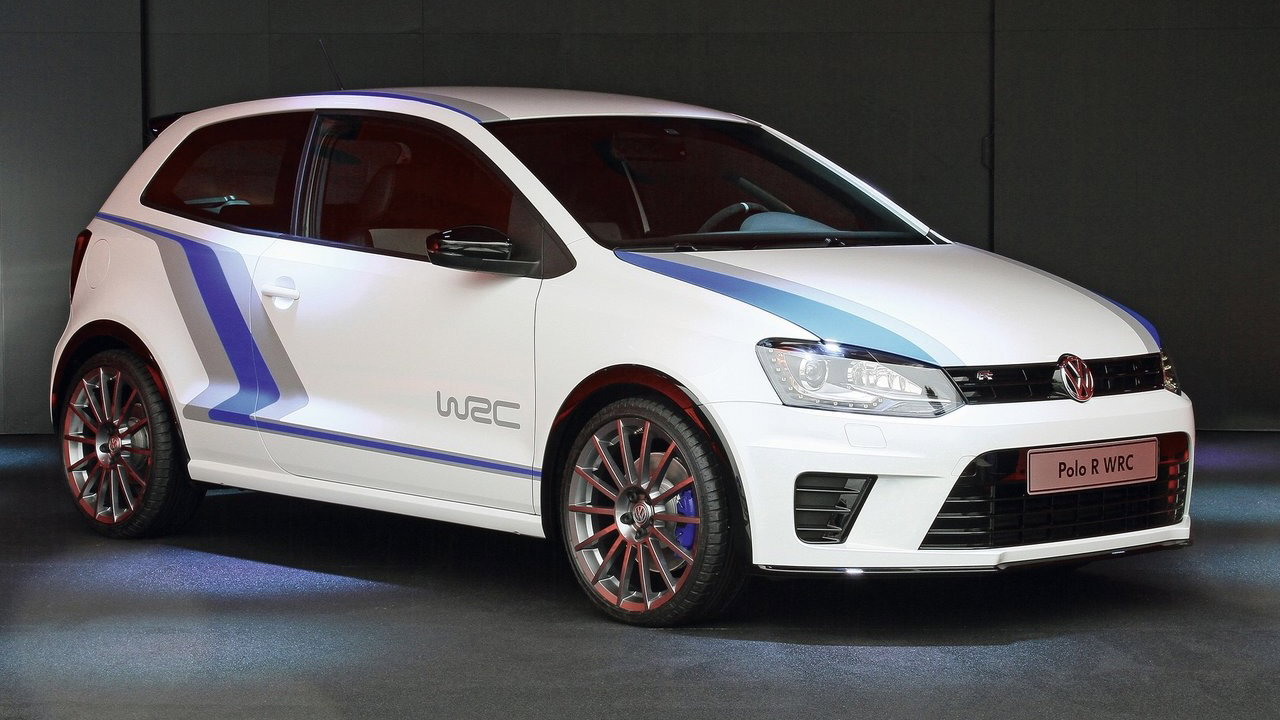
Volkswagen Polo WRC Street – concept version
VW said at the time that it was “a preview of an extremely sporty small series,” and sure enough, at the end of that year, the production version arrived looking all but identical to the concept, save for a slightly more subtle livery. It now went by the name Polo R WRC, marking the only time a Polo has ever worn VW’s extra-spicy R badge.
It was technically a homologation special, with elements of its designed to give the Polo rally car a competitive edge. The engine was the same 217bhp unit as the concept, also making 258lb ft. That remained sent through the front wheels via a close-ratio six-speed manual, and Volkswagen said it would hit 62mph in 6.4 seconds and top out at 151mph.

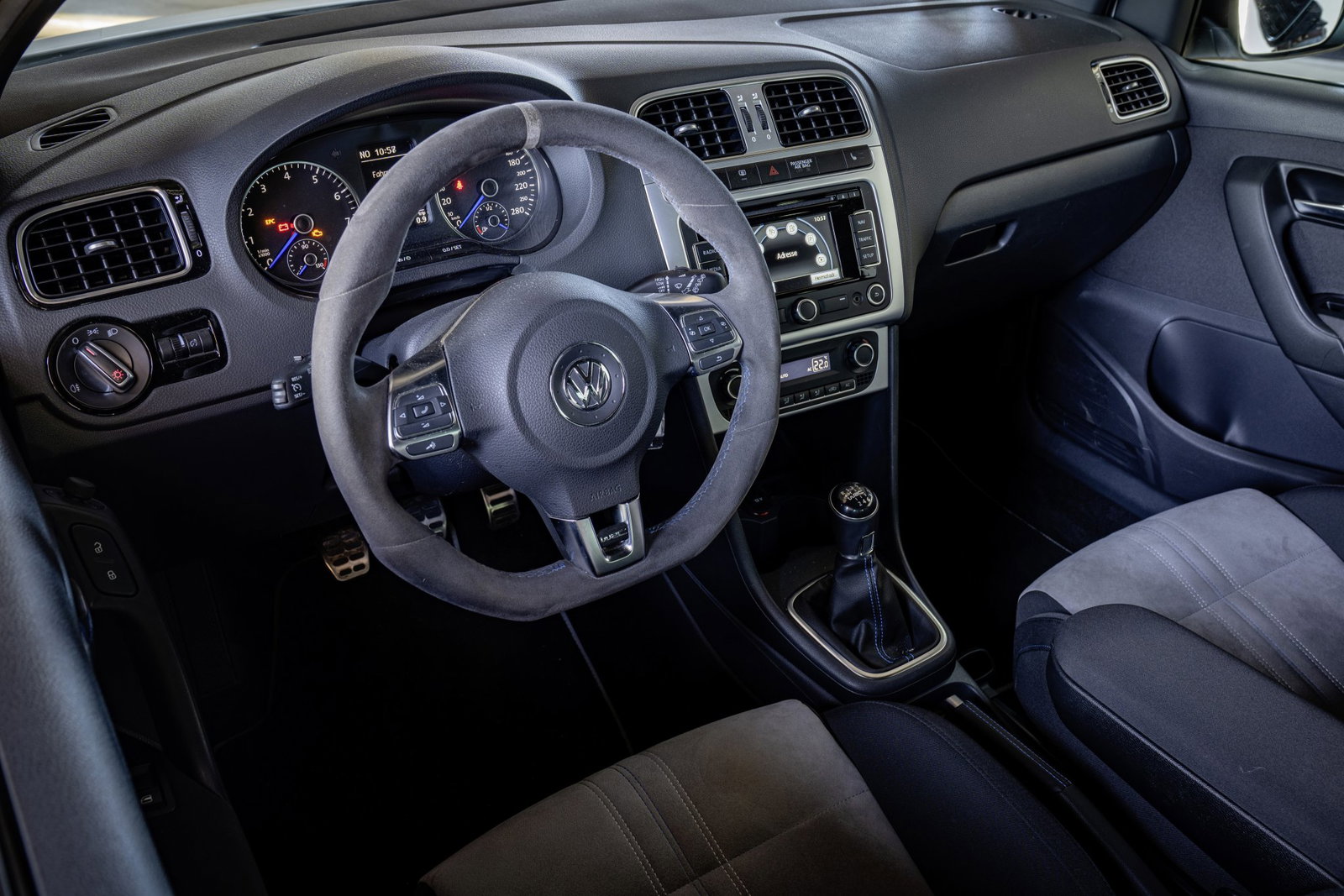
Volkswagen Polo R WRC Street – interior
It also received uprated brakes and stiffer, lower suspension, while on the inside, buyers received a pair of chunky bucket seats and a sports steering wheel, both wrapped in Alcantara.
So why, if you’re reading this in Britain, have you most likely never heard of this car? Mainly because it was never sold here. Volkswagen only made 2,500 Polo R WRC Streets – the minimum it needed to to homologate those bodywork changes on the rally car – and they were left-hand drive only. Supposedly, if British buyers were really desperate to get their hands on one, they could order one as a special import through VW UK, but it doesn’t seem that this ever happened.

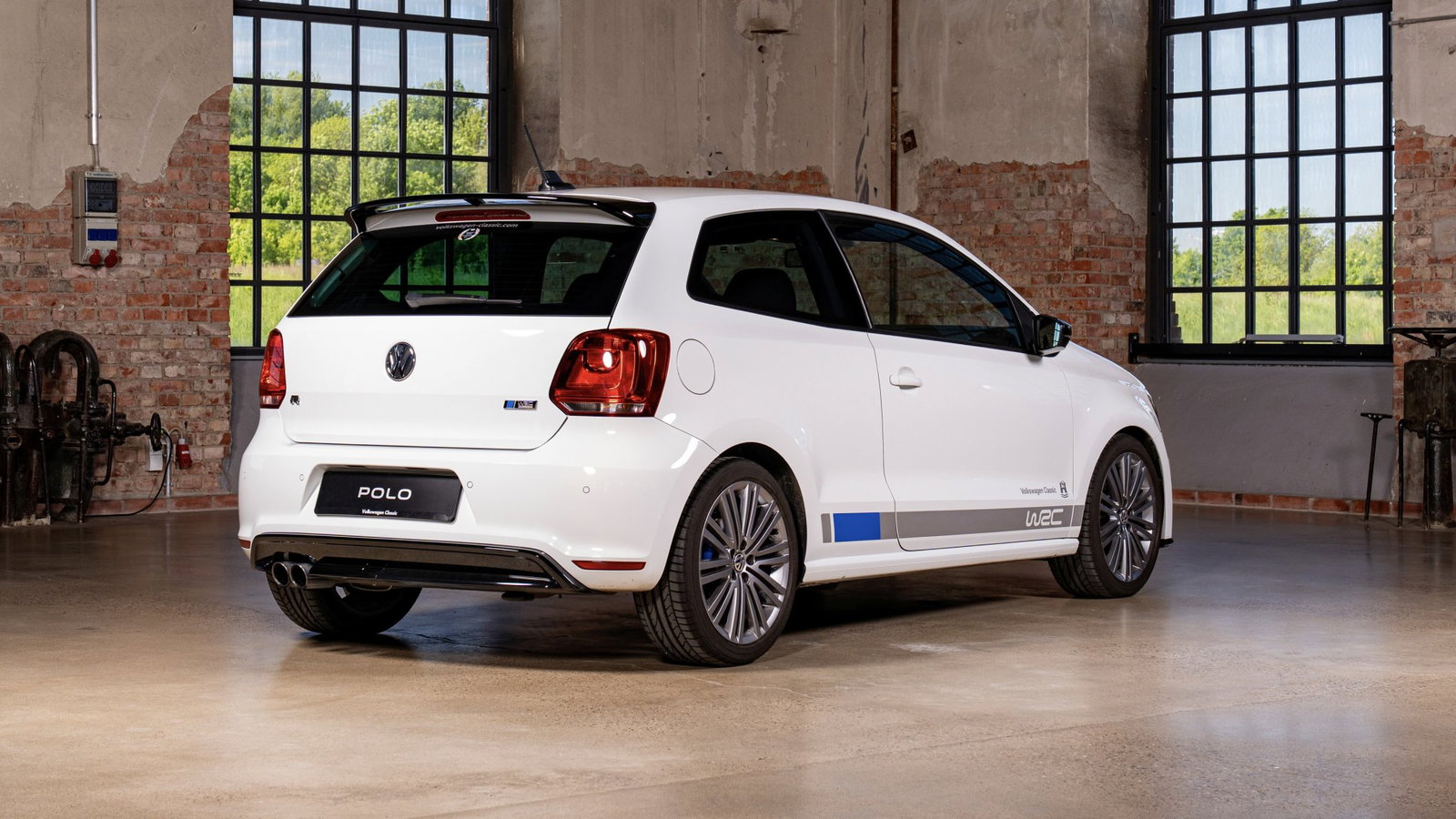
Volkswagen Polo R WRC Street – rear
Really, it was one for the Polo superfans: when new, it cost €33,900, or just over £29,000 at the time – around £42,600 today. Then and now, that was a huge amount for a Polo, and VW likely would have had trouble selling any more than the 2,500 it built, especially when the junior hot hatch class was also bolstered that year by the arrival of the brilliant – and far cheaper – Ford Fiesta ST and Peugeot 208 GTi.
So the Polo R WRC remains a forgotten oddity, a pragmatic homologation special rather than anything ever intended as a mass market proposition, but it certainly holds a unique place in the history of fast VWs. And if, on your next European holiday, you happen upon a Mk5 Polo wearing chunky multispoke wheels, R badges and a highly questionable WRC livery, now you’ll know they’re not just dodgy mods but signifiers of a genuinely rare hot hatchback.
Read the full article here


