








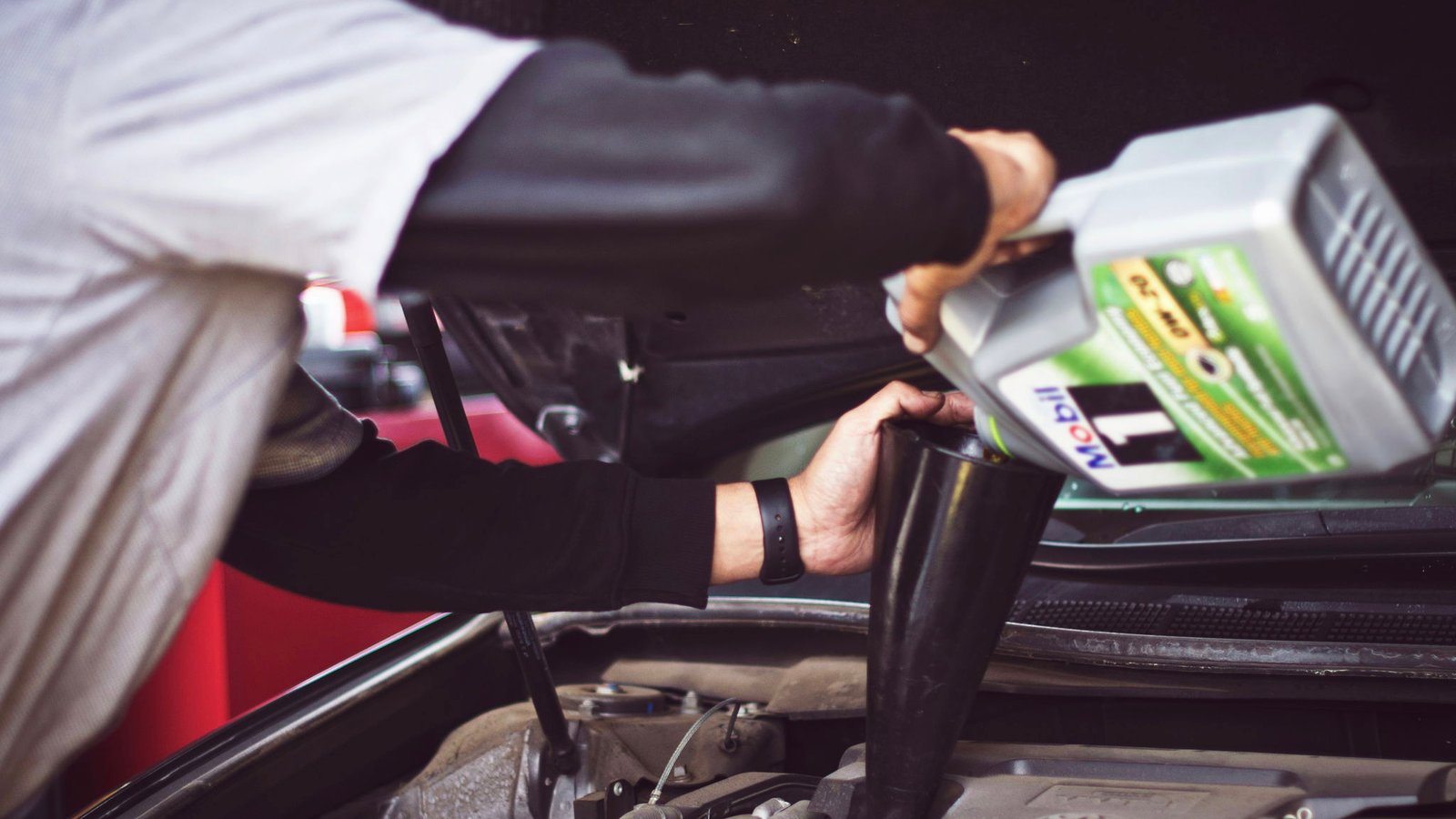
There’s a good chance that you, dear reader, are a car enthusiast, and therefore well up to speed on why changing your engine oil is hugely important. But in the event that you’re not, or you just want to remind yourself, we’ve put together a quick guide on this simple but vital piece of car maintenance.
What does engine oil do?
An internal combustion engine is a complicated thing, packed full of moving parts, and if these aren’t in full working order, it can lead to serious and costly damage. Engine oil serves to lubricate all these parts, reducing friction and wear and prolonging the life of your engine. If it’s not regularly topped up and changed it can lead to everything from overheating to severely damaging internal components.
That’s why it’s important to regularly check your oil levels using the dipstick. Most modern cars will also use on-board sensors to warn you if your oil level is low, but even so, it’s always worth a regular check the old-fashioned way too.
Why do I need to change it?
It’s not enough to merely make sure your oil is topped up: it needs to be changed every so often too. This is because, over time, engine oil will be exposed to microscopic particles caused by the internal combustion process that can affect its lubrication properties, and it’ll also generally degrade over time, reducing its viscosity. This, too, can have effects on how well it’s lubricating your engine.
The oil filter, too – the thing that’s designed to sift out all the nasty particulate matter that would otherwise make its way into your engine – also naturally becomes clogged over time, so generally needs changing at the same time as your oil.
How often should it be changed?
All car manufacturers supply their own guidelines on oil change intervals, and these can vary from as little as every 3000 miles or six months (whichever comes first) to as much as every 10,000 miles or once a year, depending on manufacturer, model, age and the type of oil used. Generally, newer cars have longer intervals, but even so, it’s always better to be safe in these situations and err on the side of caution.
What do I need to do it myself?
While an oil and filter change is a normal part of any routine service carried out by a garage or dealer, it’s also one of the easiest pieces of essential car maintenance to carry out yourself, so is a great way of starting out if you want to save some money and improve your maintenance skills.
To do it, you’ll need some basic safety equipment like gloves and goggles, and a way of safely getting underneath your car. If you don’t have the luxury of a lift or inspection pit, then you’re best off with either a trolley jack or a set of ramps and chocks. A good ratchet and socket set will be required, too.
Really, the only specialist bits of equipment you’ll need are something to drain the oil into and a special wrench for removing the oil filter, both of which you can find at Euro Car Parts.
Shop oil drain pans at Euro Car Parts
Shop oil filter wrenches at Euro Car Parts
Finally, you’ll require some oil and a new filter. Obviously. It’s critical to make sure you’re getting the right parts for your car, which is where Euro Car Parts’ online reg checker comes in – enter your registration number and you’ll find the correct oil and filters for your car from a variety of different brands. Better yet, throughout January 2026, you can get 10 per cent off engine oil when bought in conjunction with an oil filter using the code ENGINEOIL0110 at checkout.

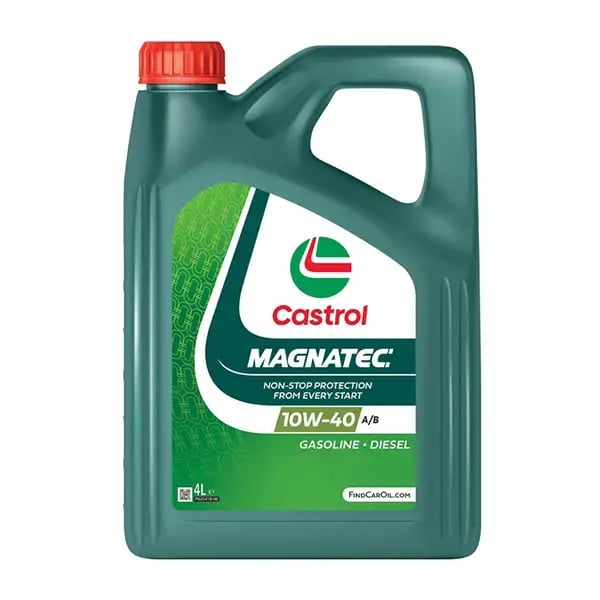
Shop engine oil at Euro Car Parts
Shop oil filters at Euro Car Parts
Read the full article here


