





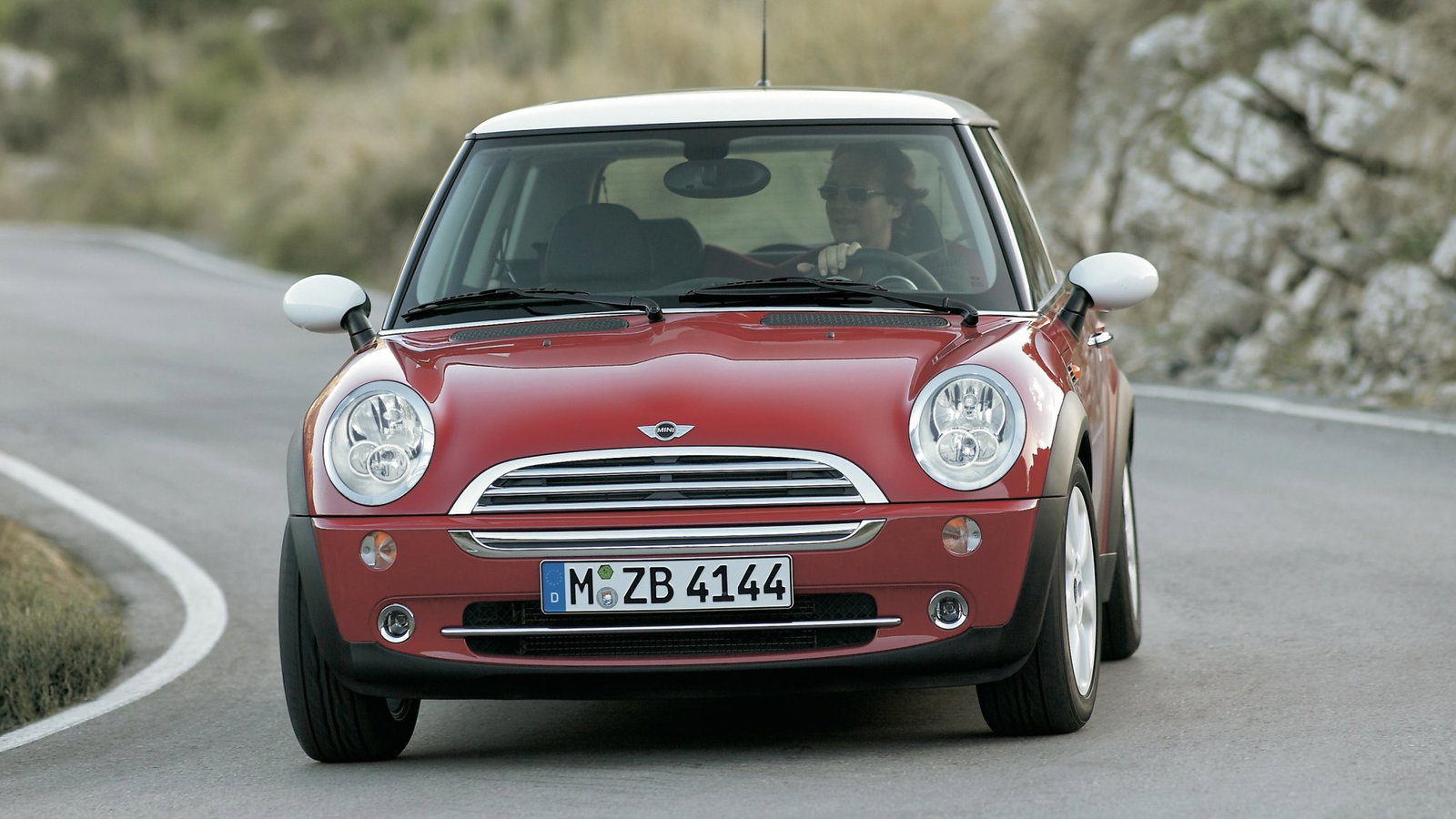
For the purposes of lots of companies providing insurance for classic cars, a ‘classic’ is defined as anything manufactured over 25 years ago. And that means you may want to prepare yourself for a stark reminder of the relentless march of time, because in a couple of days, the modern-day Mini – a car itself designed as a reinterpretation of a stone-cold classic – will hit that milestone, and become a classic itself.
No, seriously – on 26 April 2001, the very first of the modern, R50-generation BMW Minis began rolling out of the factory in Oxford, around half a year after the very last of the long-lived original cars had been built a little further up the M40 in Longbridge.
Mini Cooper (R50) – side
That original car, by the way, was built continuously for 41 years, meaning the new one – albeit over four generations – has already comfortably surpassed the halfway mark of its ancestor’s production run.
Development of the modern Mini began in the mid ’90s, shortly after BMW had taken control of the Rover Group, which was still manufacturing the original. While BMW ultimately sold off most of the constituent parts of Rover in 2000, it kept the Mini branding and the in-development car to itself, clearly aware it was about to have a smash hit on its hands.

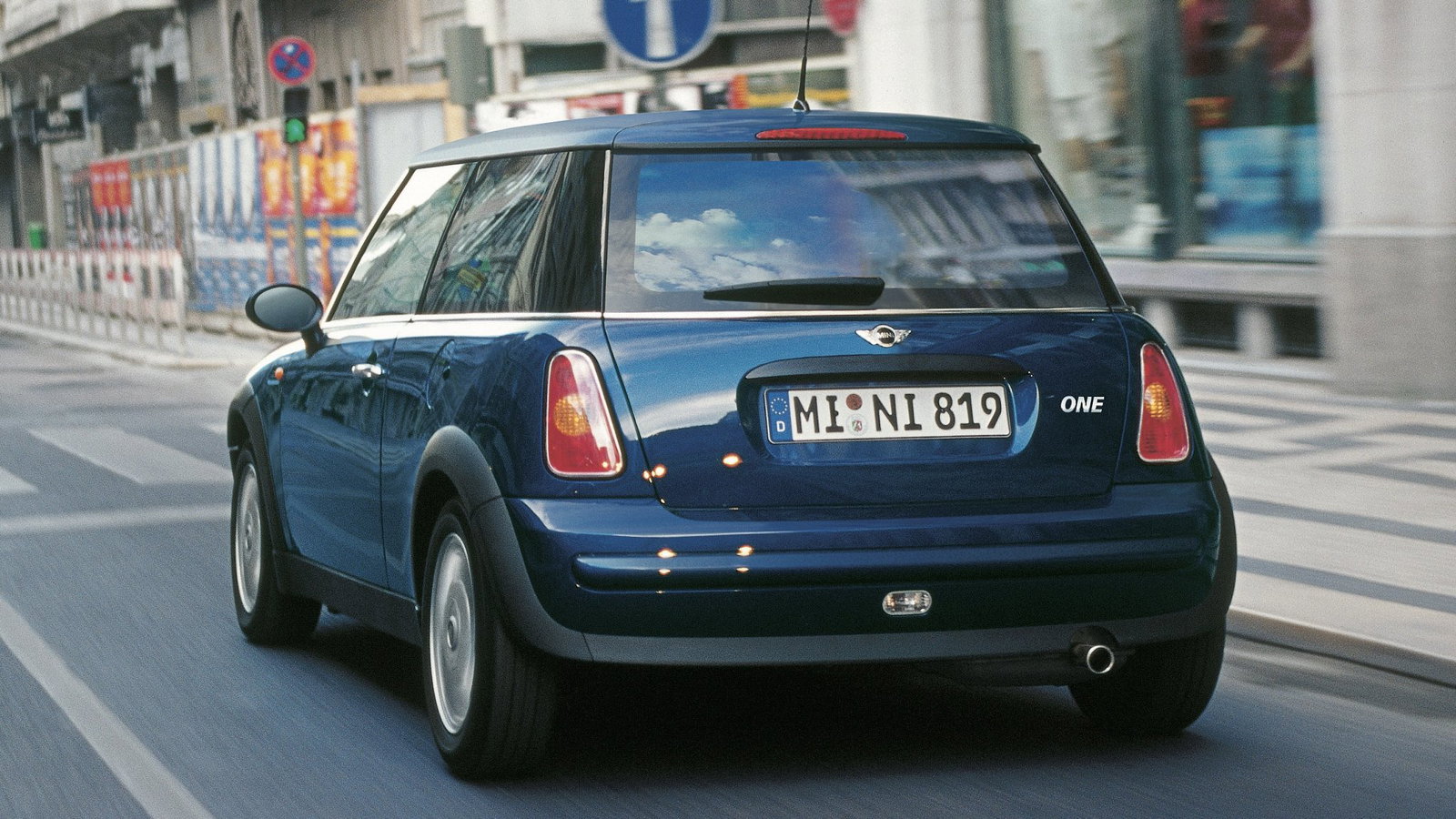
Mini One (R50) – rear
It was right: the car-buying public couldn’t get enough of the reborn car in 2001, thanks to its faithful yet modern styling, competitive pricing and much-lauded driving experience. Since then, Mini has grown from having a single model in its lineup to a range of several models, but it’s those core models – the ones everyone simply still calls a Mini – that have always been built at BMW’s Oxford plant, previously a British Leyland factory that’s been building cars since 1914.
As of today, 23 April 2026, BMW says that 4,671,664 Minis have been built at the factory, including hatchbacks, convertibles, the Clubman estate and the short-lived Coupe and Roadster. That’s a number currently increasing at a rate of around 800 a day and with the core Mini models remaining popular, there’s no reason to think they won’t match the original’s impressive 41-year run – and then some.
Read the full article here


