


If you’re buying any new combustion-powered car in 2026, then there’s a very good chance it’ll be turbocharged. With a few exceptions, almost every mainstream manufacturer employs turbos across their range in order to allow smaller, more efficient engines to make power comparable to a bigger, naturally aspirated one, in light of increasingly tight emissions regulations around most of the world.
With petrol engines, though, this has only really been the case for the last 15 years or so, and for many years, turbochargers were the exceptions, not the norm, reserved largely for performance models, diesels and forward-thinking, experimental engines. That old-school approach to turbocharging is exemplified by these 10 cars, all of which blazed important trails in the early days of forced induction.
Oldsmobile F-85 Jetfire
Oldsmobile F-85 Jetfire
Today, some of the last naturally aspirated performance cars that aren’t fully-fledged supercars come from the US, which makes it all the more surprising that 60 years ago, it was American manufacturers that were pioneering turbocharging, over a decade ahead of any European brands.
The first turbocharged road car (possibly – nobody can quite seem to agree whether it or the next entry on this list came to market first) was 1962’s Oldsmobile F-85 Jetfire. Based on Oldsmobile’s entry-level model that would soon become the long-running Cutlass, it had a) an all-aluminium, 3.5-litre turbocharged V8 making around 215bhp, and b) a spectacularly cool name that made it sound like an early fighter jet.
High costs and reliability concerns meant sales were slow, and the Jetfire only lasted two years on the market, but its legacy more than 60 years later, in a world of turbocharged V8s, is undeniable.
Chevrolet Corvair Monza Spyder
Chevrolet Corvair Monza Spyder
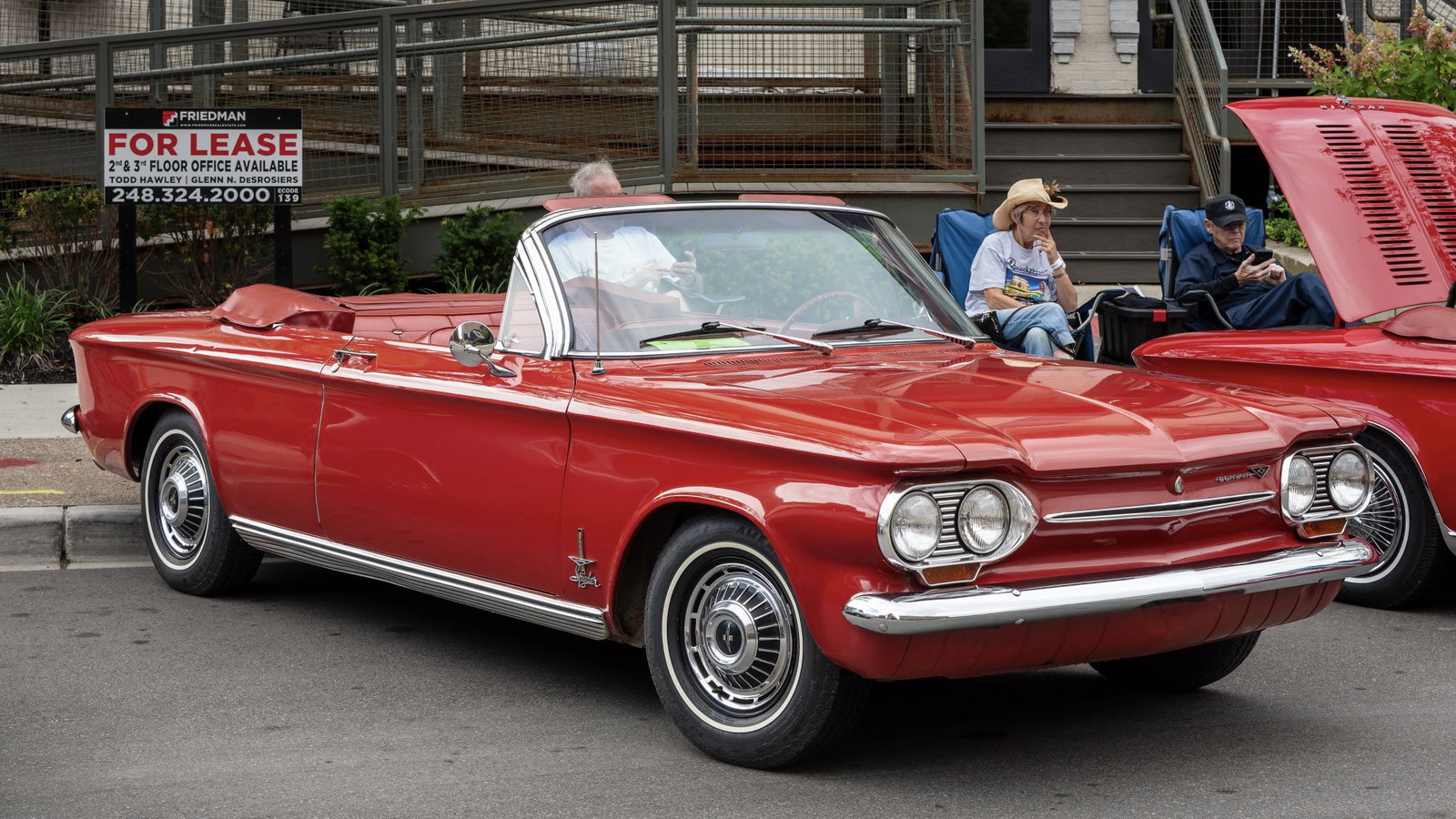
While Oldsmobile was readying the F-85 Jetfire, fellow GM division Chevrolet was working on its own pioneering turbocharged car. The Corvair in general was a very different proposition to anything else coming from US manufacturers at the time – while the industry had largely settled on the recipe of a big V8 mounted in the front, the Corvair, with its rear-mounted, air-cooled flat-six, felt quite European.
The 1962 introduction of the Spyder package for the high-performance Corvair Monza, then, was just another experimental part of an already unusual car. It added a turbocharger to the Corvair’s 2.4-litre flat-six, good for around 150bhp. Incidentally, despite the Spyder name, this package was offered on both coupe and convertible Corvairs.
Today, the Corvair is best remembered as the perhaps unfair subject of the book Unsafe at any Speed, which declared its unusual rear-engined handling characteristics to be dangerous – arguably, its legacy is far greater than that.
BMW 2002 Turbo
BMW 2002 Turbo
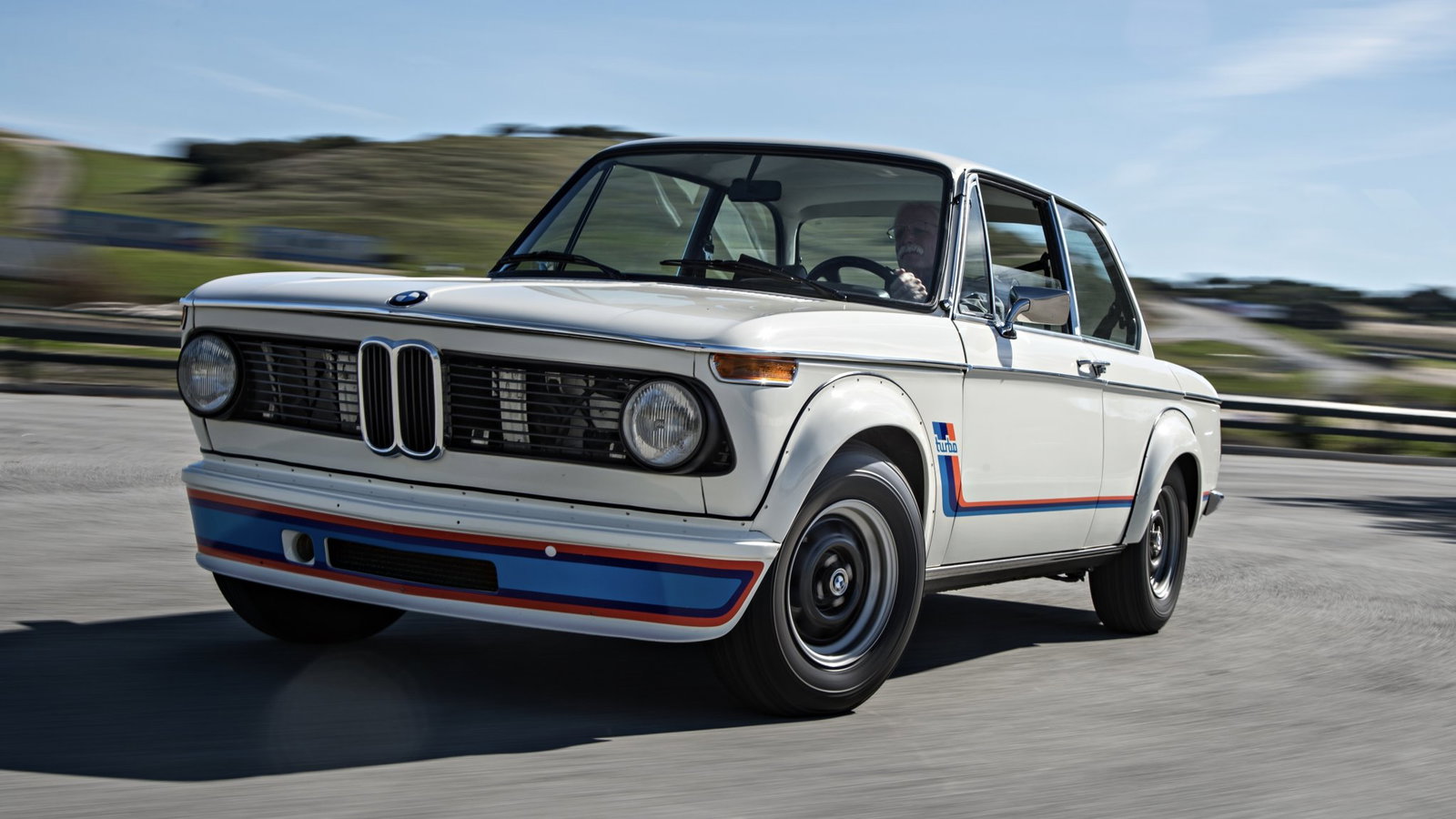
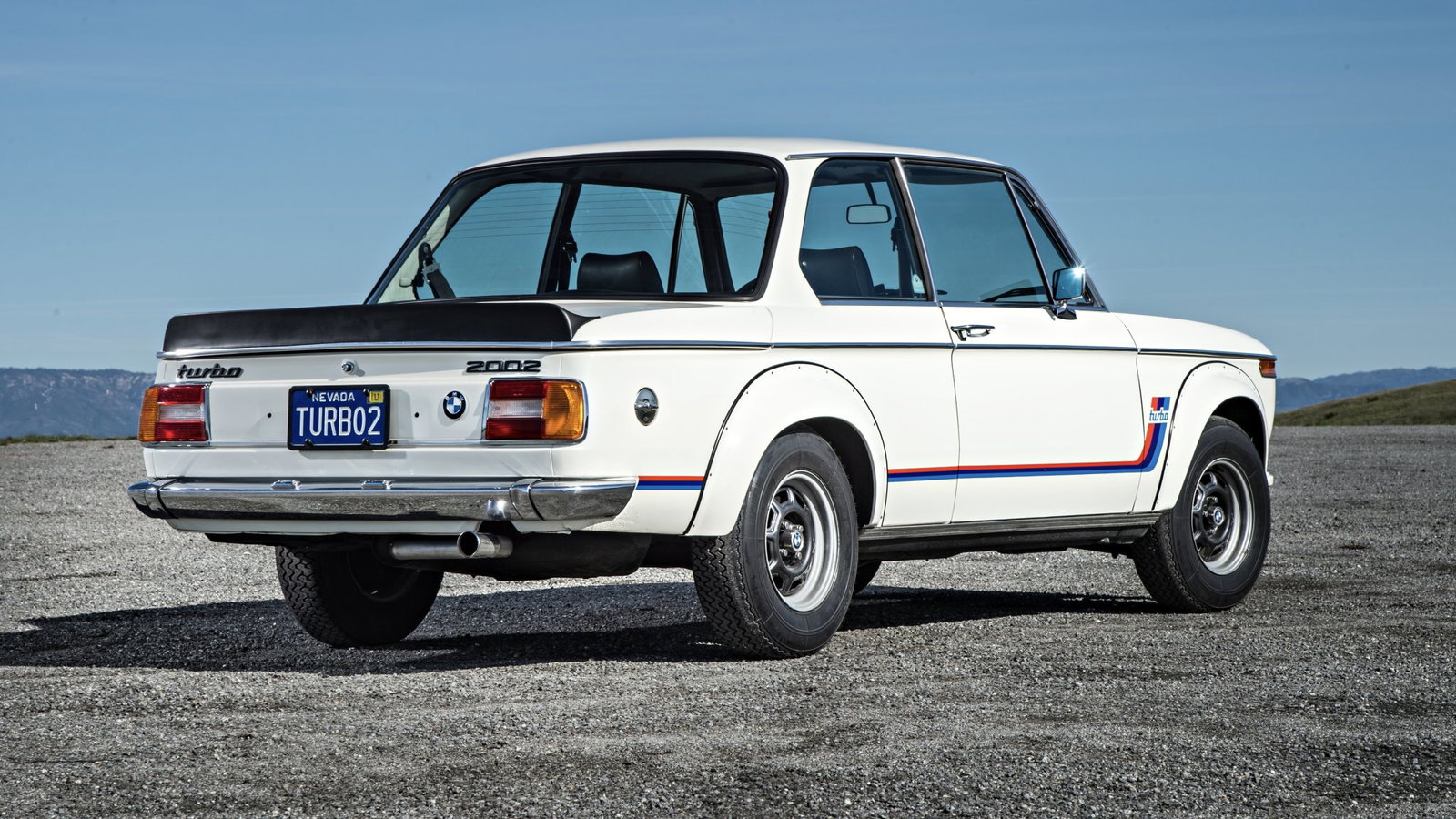
It would be another decade before another turbocharged road car hit the market, and this time it would come from Europe. The BMW 2002 Turbo landed in 1973, and made no excuses about how it achieved a punchy 168bhp from its meagre 2.0-litre capacity.
The body was decked out with a fibreglass splitter and arch flares, an early application of what would become BMW M’s signature colours and, most infamously, those reversed ‘turbo’ decals on the front bumper, designed to be read via a rear-view mirror so drivers of lesser machinery knew to get out of the way.
All this caused a bit of a stink in Germany, especially given that the oil crisis had just reared its head and the 2002 Turbo wasn’t exactly using its turbo to save fuel. That, combined with a high purchase price, meant the Turbo remained a rarity, with just 1,672 sold before it was dropped in 1975, but it was this car that laid the foundation for the turbo obsession that would erupt in the following decades.
Porsche 911 Turbo (930)
Porsche 911 Turbo (930)
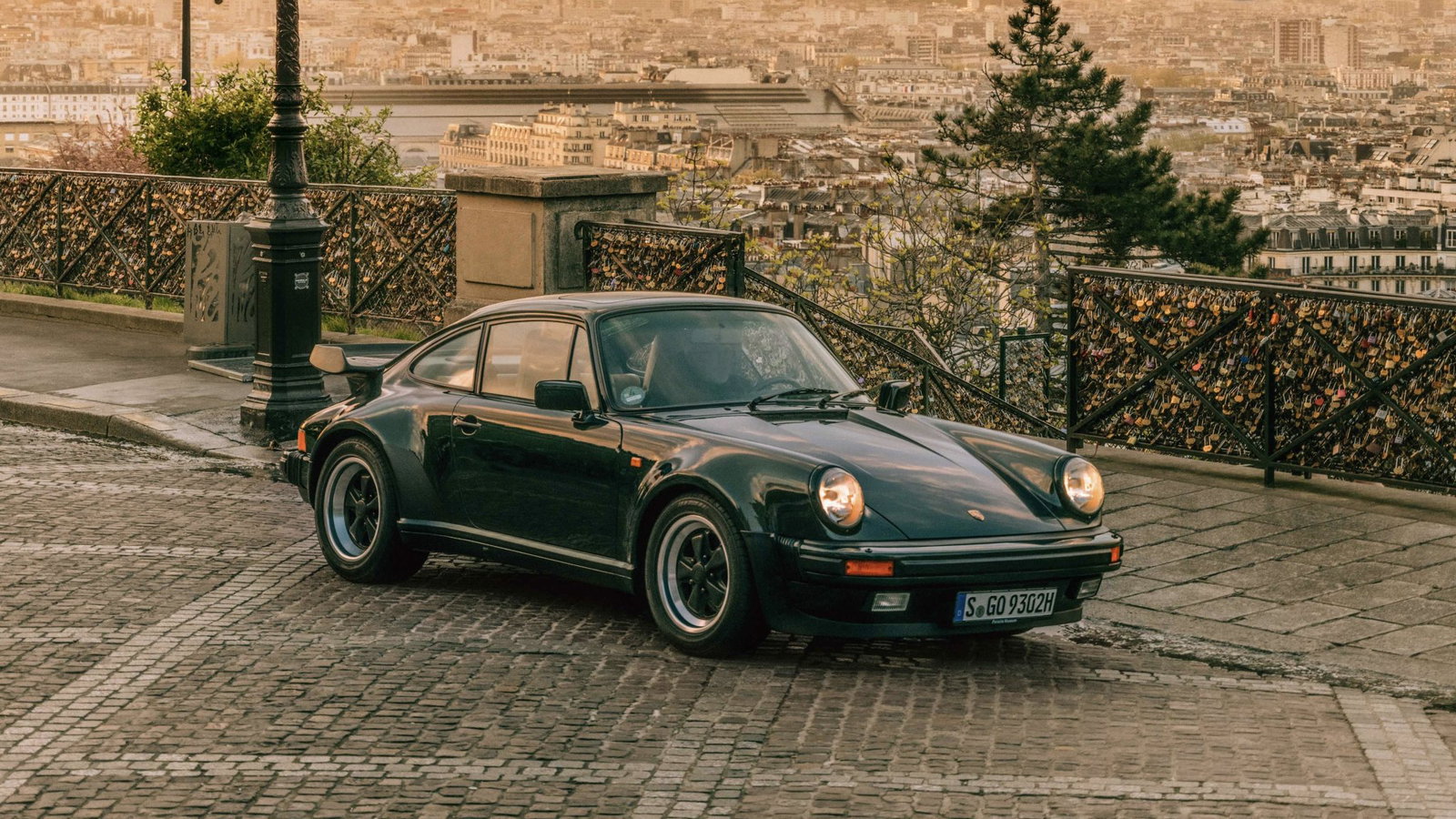
If the 2002 Turbo teased the European public with the idea of turbocharged performance cars, then the Porsche 911 Turbo – launched a year later in 1974 – opened the floodgates. It’s the car that solidified the idea of turbocharging as something exciting, forward-thinking and, thanks to the 911’s notoriously wayward rear-heavy handling and the sudden onset of the turbo’s boost, just a little bit dangerous.
Early cars featured a 3.0-litre flat-six, the single turbocharger helping kick out 256bhp, making it one of the most powerful European cars around at the time and elevating the 911 from mere sports car to the same level as the fully-fledged supercars being made by Ferrari and Lamborghini.
The Turbo badge went on to become a staple of the 911 range, even today, when all but the GT3 models employ turbo power, but this original version was more than a car: it was a cultural phenomenon. As the ’70s became the ’80s, it was one of the ultimate status symbols of a decade of excess, aspiration and the unabashed pursuit of wealth, which in turn led to the word ‘turbo’ becoming synonymous with this lifestyle.
Saab 99 Turbo
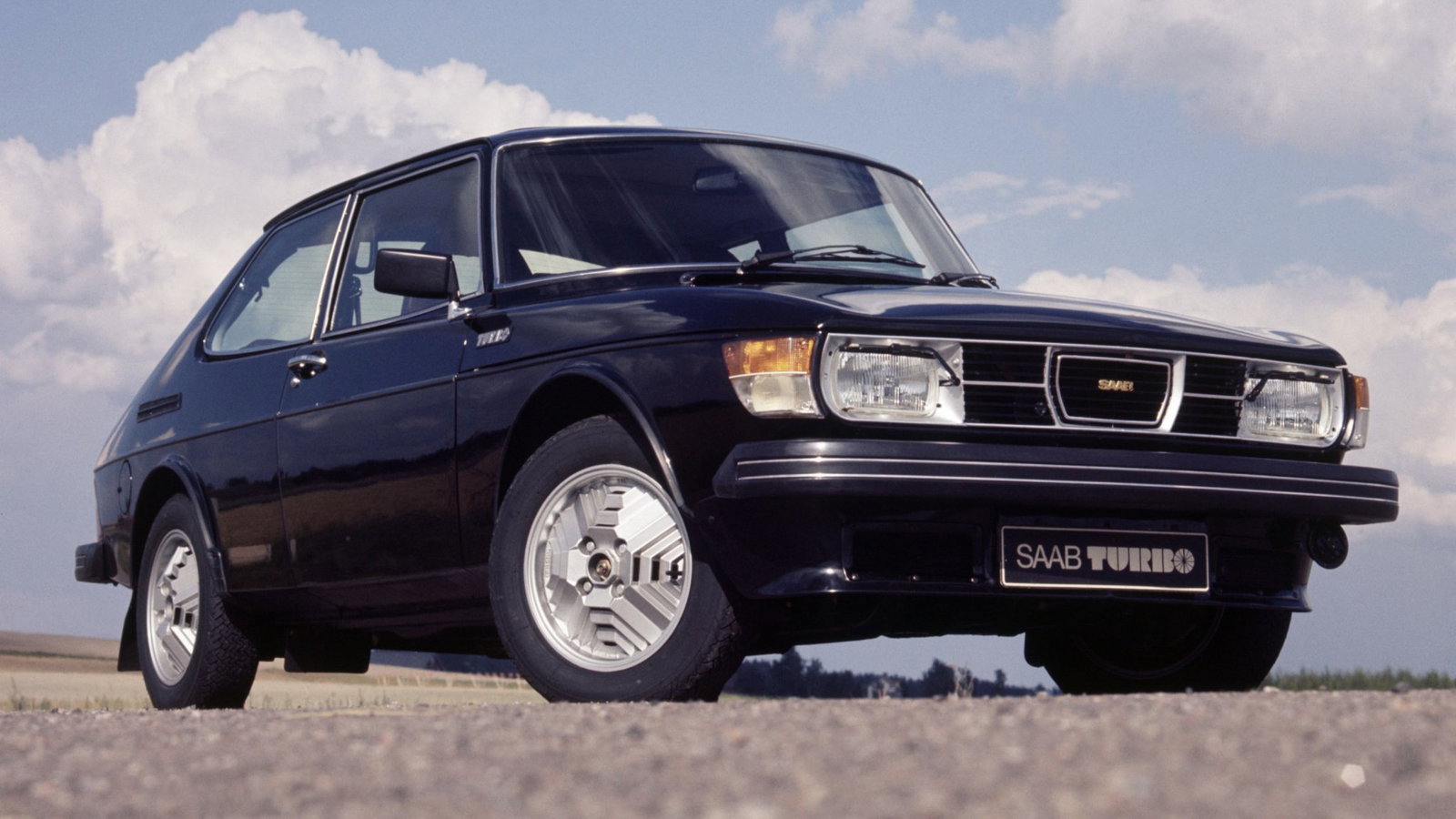
Saab 99 Turbo
The problem with the 911 Turbo was that it was expensive – in the mid-1970s, it cost the equivalent of over £120,000 today, and that meant that the bragging rights of owning a turbocharged performance car were only available to a select few.
Enter Saab, with 1978’s 99 Turbo. With a forced-induction version of the Swedish brand’s existing 2.0-litre four-cylinder, this little fastback was producing 143bhp – comfortably on a par with comparable six-cylinder, or even V8, cars of the time. Best of all, though, was that it cost less than £8,000 – not exactly cheap at the equivalent of around £44,000 in 2026, but a comparable sports saloon of the modern day is going to cost a lot more than that.
Finally, the 99 Turbo was a car that made the boosty thrills of early turbos accessible to the masses, spurring on a whole wave of attainable turbocharged cars that would arrive in the following decade.
Buick Regal Turbo
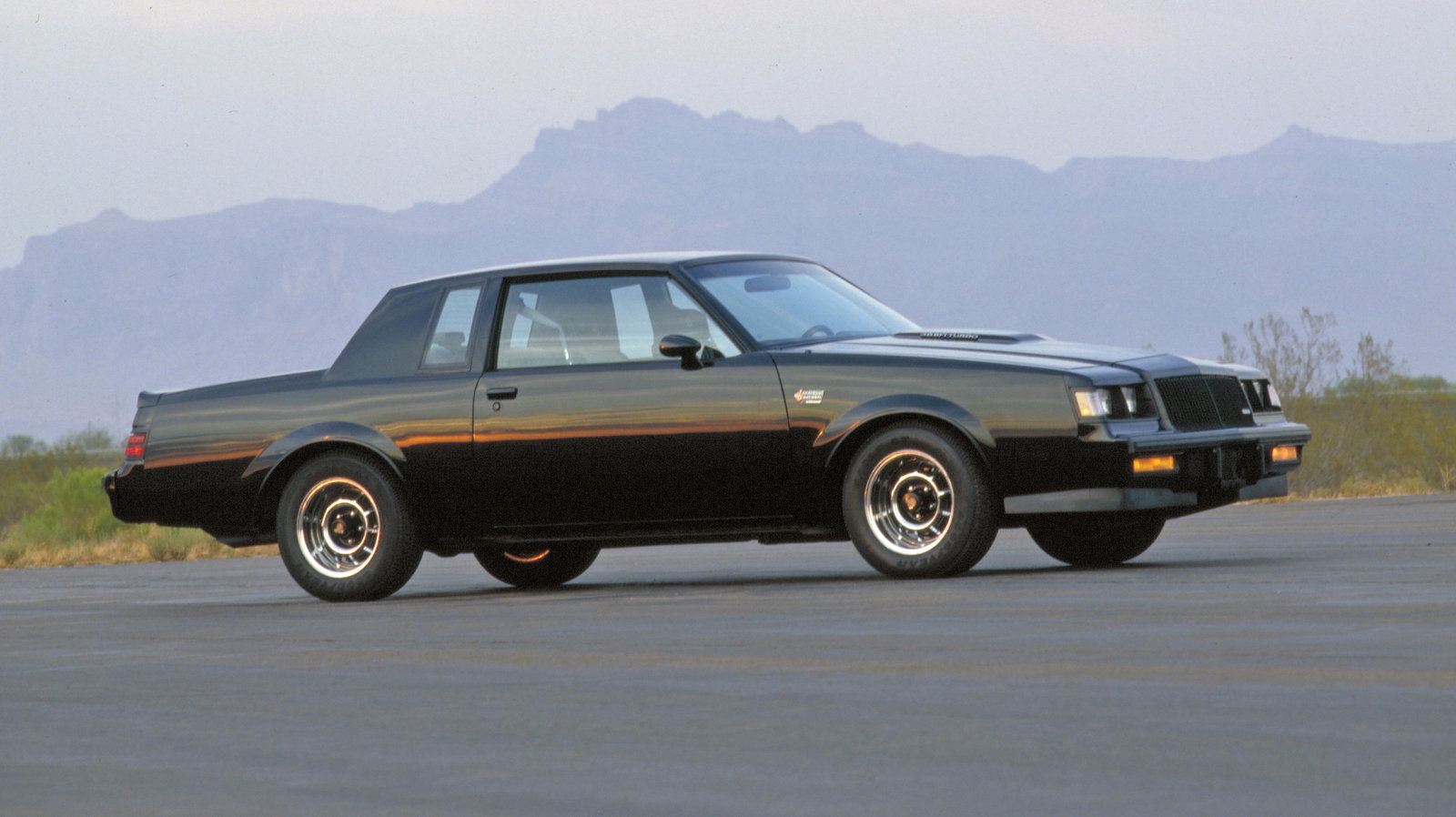
Buick Grand National
Despite their early pioneering in turbocharging, and despite the small matter of the oil crisis having happened in between, American manufacturers had largely settled on big, thirsty V8s as their preferred method of making decent power. Not all of them, though – it was another GM division, Buick, that would next look to smaller, turbocharged motors as an alternative.
Its second-generation Regal arrived in 1978, and with it, a turbocharged version known as the Sport Coupe. With the punchier four-barrel carburettor, its 3.8-litre V6 produced around 165bhp – comfortably healthier than lots of the emissions-strangled V8s that were around at the time.
Successive versions like the T-Type and Grand National would keep upping that output too, culminating in the legendary, all-black GNX from 1987, the final year for that shape of Regal. Using the same V6 as before but with a whole host of upgrades including a new Garrett turbo, the GNX was now making 276bhp. With a 0-60mph time of around 4.7 seconds, it was comfortably one of the fastest American cars of its day, and with just 547 made, it’s now a bona fide classic, propelled back into pop culture in 2024 as the name and cover star of a Kendrick Lamar album.
Mercedes-Benz 300SD
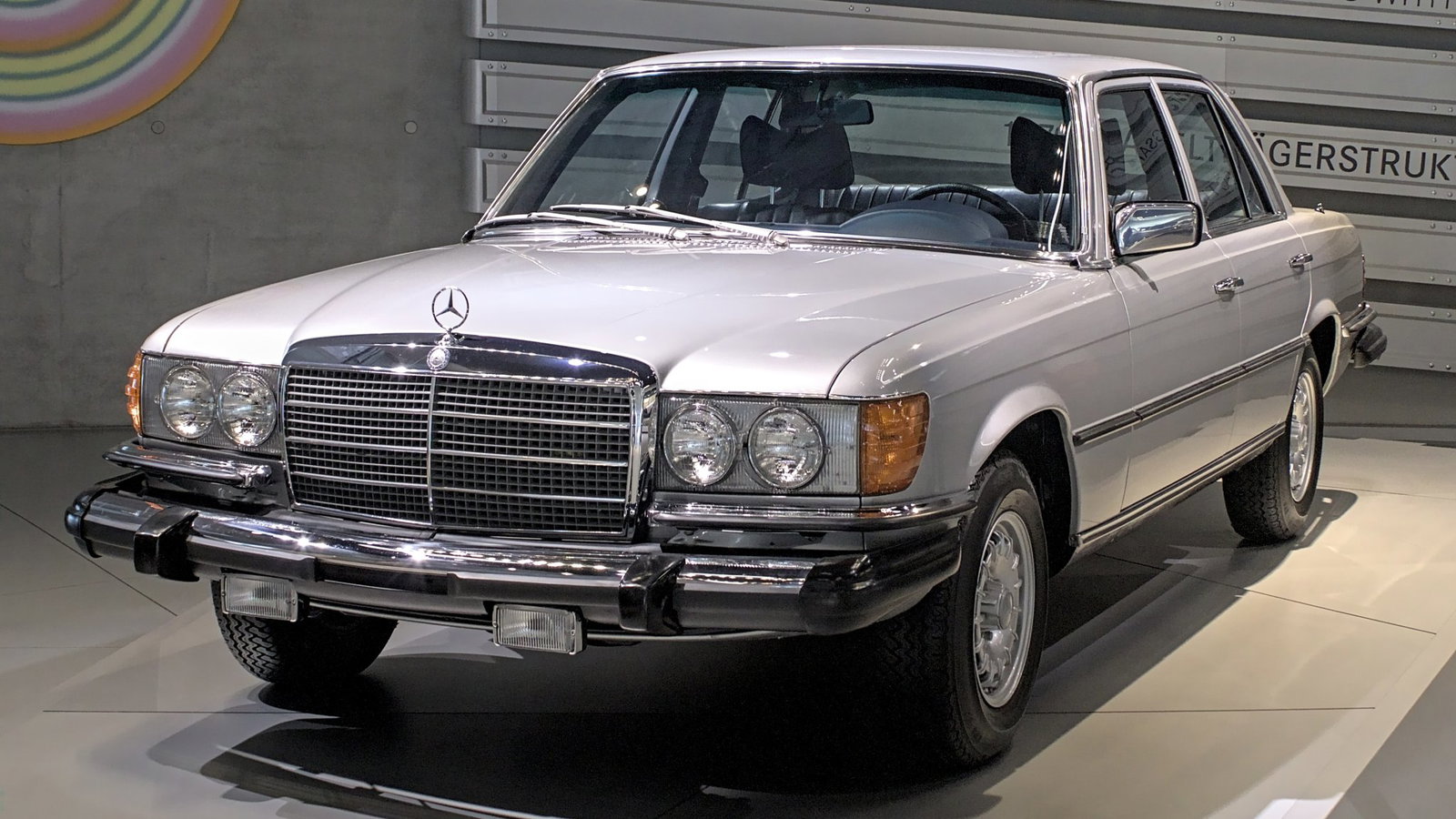
Mercedes-Benz 300 SD (W116)
Diesel engines were the first to truly adopt turbocharging en masse, with effectively every diesel car you could buy at the turn of the 21st century featuring a turbo. The first to get there, though, was Mercedes’ 1978 300SD.
A version of the W116 saloon, the first model to bear the S-Class name, the 300SD added a turbo to Mercedes’ existing 3.0-litre OM617, a legendarily durable five-cylinder comfortably capable of racking up ludicrous mileage figures. The addition of a turbo added at least some performance to that reliability – although it was still only making 110bhp and 168lb ft – but more importantly, brought a new layer of efficiency to a car otherwise only available with thirsty petrol engines.
Oddly, the original 300SD was only ever offered in North America and Japan – two markets where diesel’s never managed to get much of a foothold. Europe would have to wait until the arrival of the Peugeot 604 D Turbo the following year for its first turbodiesel car.
Image: Alexander-93, CC BY-SA 4.0
Nissan Cedric/Gloria Turbo
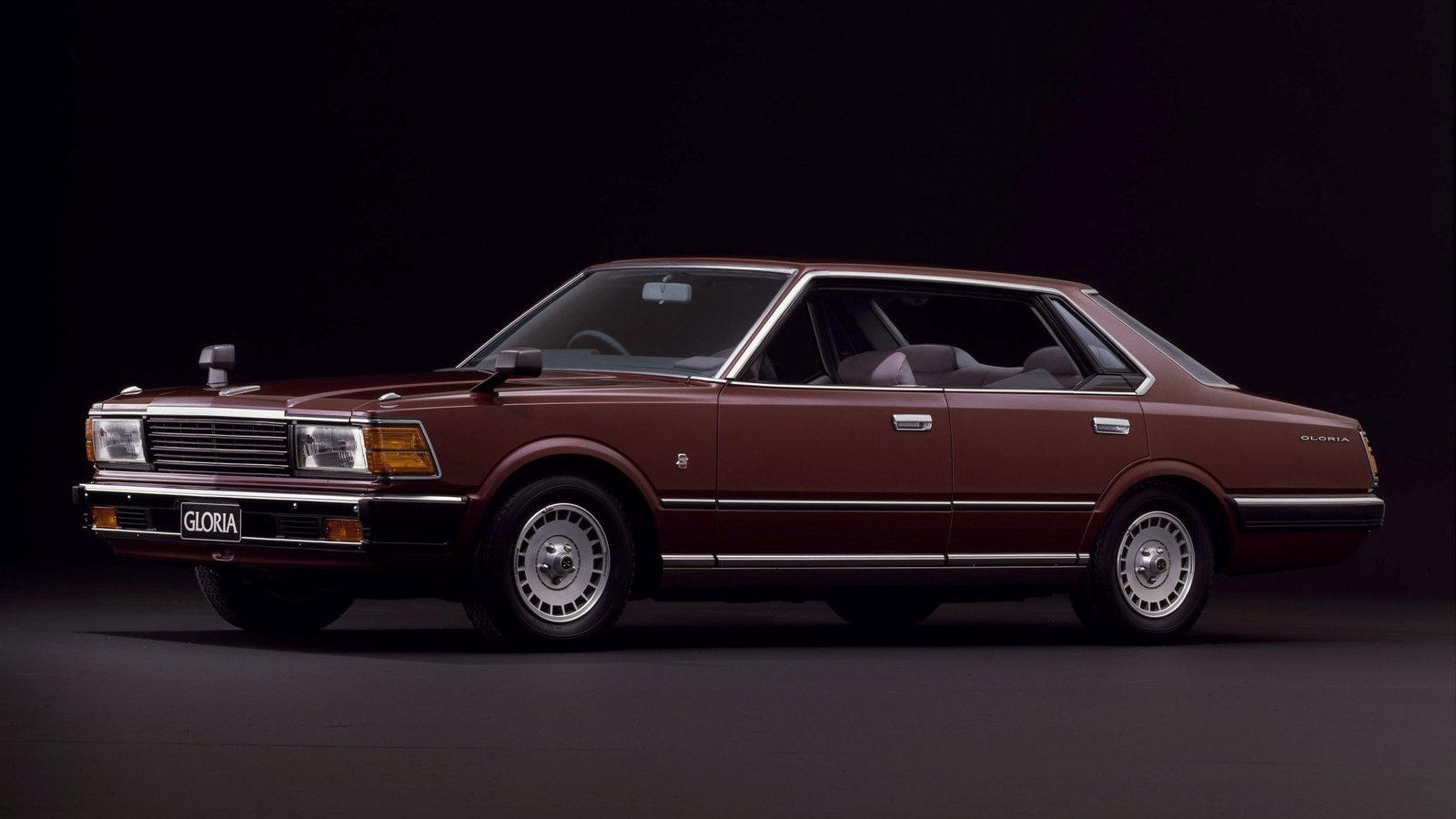
Nissan Gloria Turbo (430)
Japanese manufacturers would begin doing great things with turbo during the 1980s, and continue to do so right up to the present day, but the country’s first turbocharged car was a lot more humble than the myriad Skyline GT-Rs, RX-7s and Supra Twin-Turbos that were to come.
It arrived in 1979 with the closely related 430-generation Nissan Cedric and Gloria, a pair of models seemingly named after someone’s grandparents and likely to be driven by them too. These big, wafty saloons heralded the introduction of the L20ET, a 2.0-litre turbocharged straight-six.
Although its 143bhp output was respectable for an engine of that size in the late ’70s, Nissan was keen to play this up as an efficiency measure, and not a performance one. In fact, it was with this line of reasoning that Nissan was even able to obtain Japanese government certification for a turbo’d motor, at a time when emissions and economy were under strict control.
Maserati Biturbo
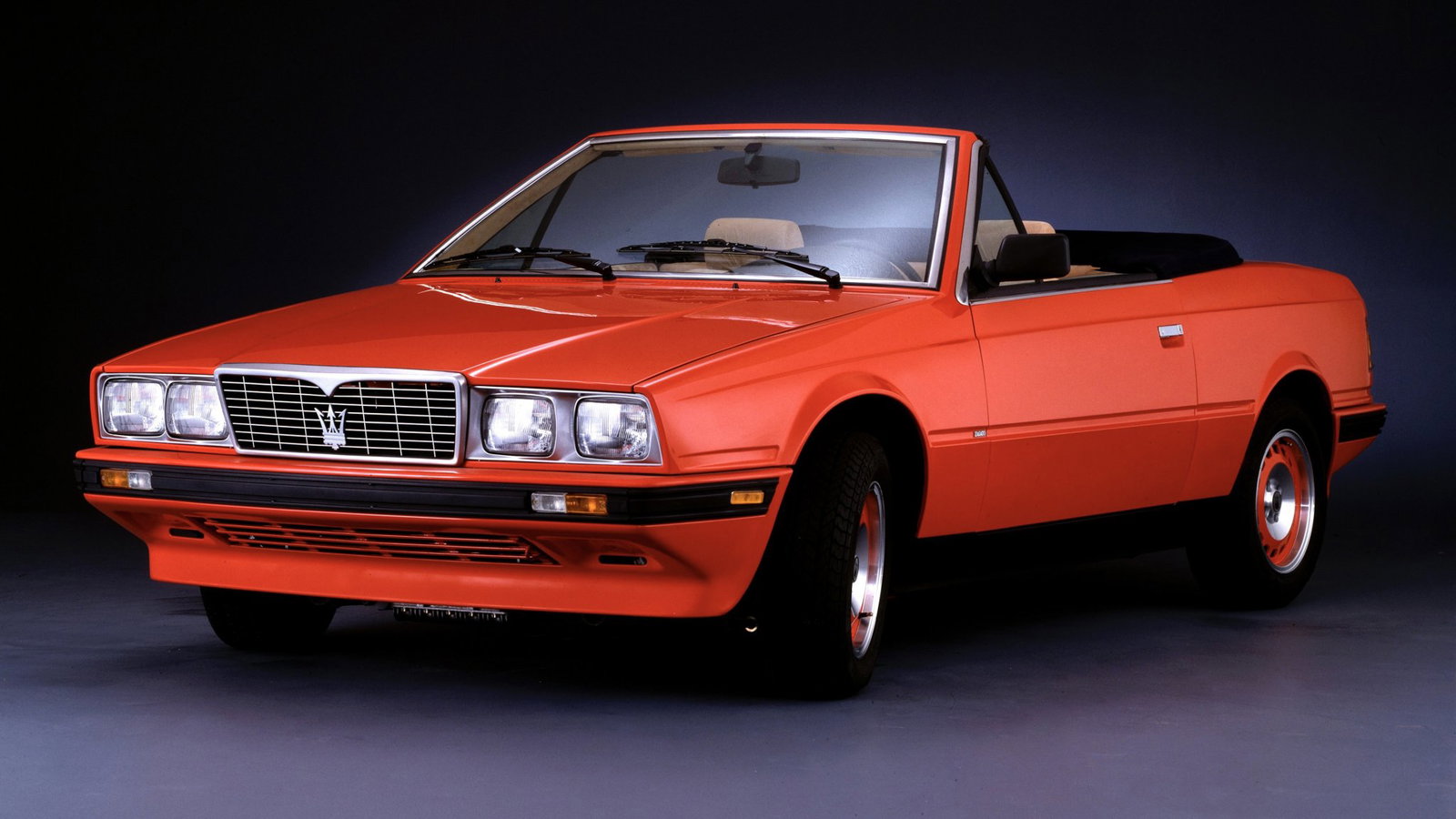
Maserati Biturbo Spyder
Launched in 1981 as a way to boost flagging Maserati sales with a more modern, affordable model, the Biturbo was the first production car to feature twin turbochargers, and as that name suggests, Maserati really, really wanted people to know about it.
Its twin-turbo V6 was a highly pragmatic measure, especially in its home market of Italy. At the time, Italian tax rules saw VAT doubled on cars with engines over 2.0 litres. By keeping its engine under that capacity but adding a pair of turbos, the Italian-market Biturbo was able to produce a competitive 180bhp while avoiding stinging customers with a hefty tax bill.
Export markets received bigger 2.5- and 2.8-litre engines, and despite the Biturbo’s murky reputation today, it was a sales success and effectively saved Maserati as it entered the 1980s. More importantly, it was the first car to employ a technology that’s now almost ubiquitous on supercars, sports saloons and fast SUVs. How’s that for a legacy?
Renault 5 Alpine Turbo
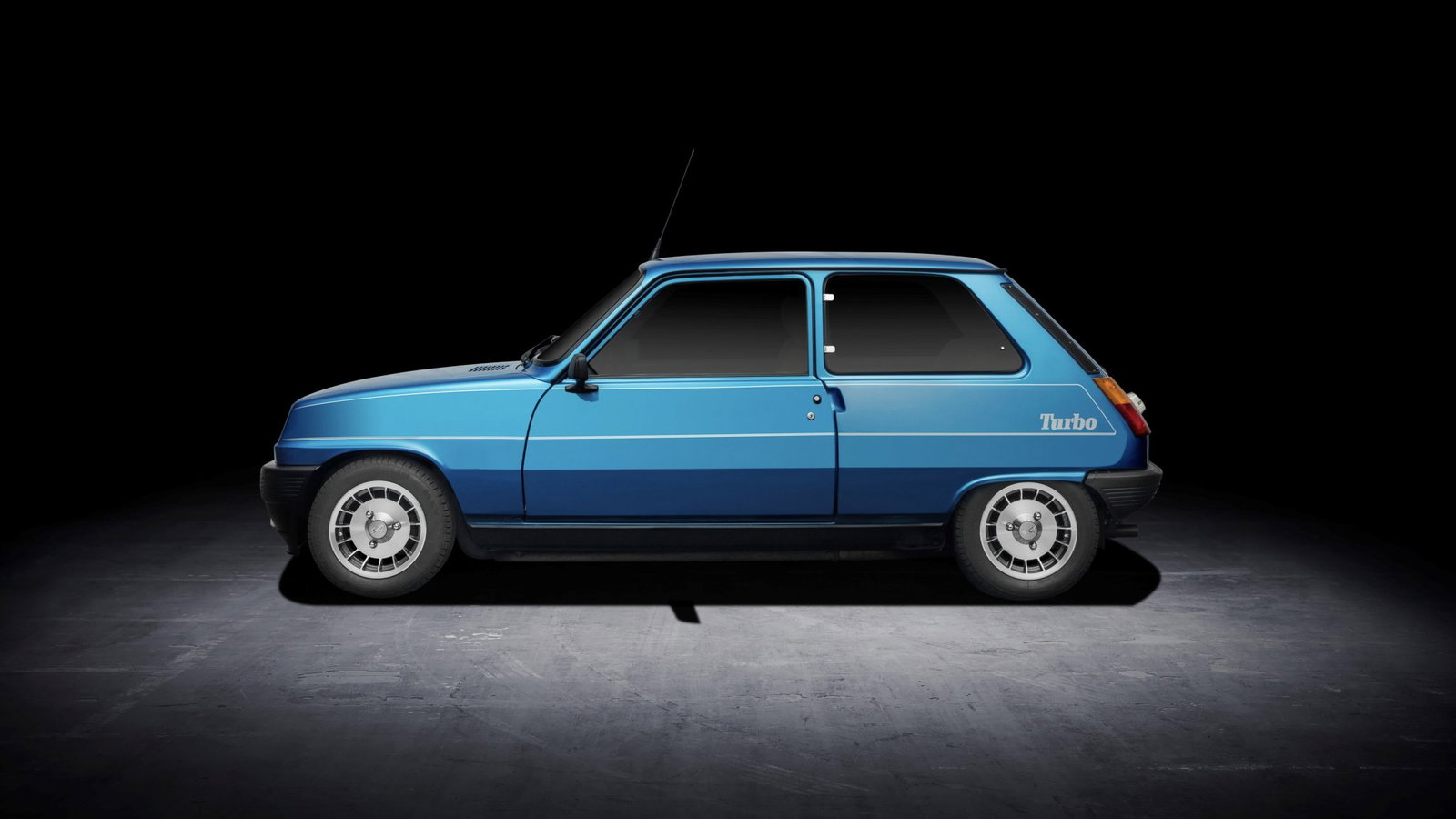
Renault 5 Alpine Turbo
By 1982, the idea of the hot hatch had been around for over a decade, the Autobianchi A112 Abarth having introduced the world to the idea back in 1971. Until then, though, no hot hatchback had yet dipped its toe into the now-fashionable world of turbocharging, with the exception of Renault’s wild 5 Turbo homologation special, which was really a mid-engined sports car cosplaying as a hot hatch.
Using knowledge gleaned from that car, though, Renault became the first manufacturer to apply turbocharging to the burgeoning front-wheel drive hot hatch segment. The 1982 5 Alpine Turbo – sold as the Gordini Turbo in Britain – did what it said on the tin, adding a snail to the existing sporty 5 Alpine.
This upped power from the titchy 1.4-litre to 110bhp, bringing it on a par with the original Golf GTI. While the Golf remained the more popular choice, the 5 came with the ’80s bragging rights of numerous ‘Turbo’ badges. Not only that, but with the few petrol-powered hot hatches that remain on sale today now exclusively turbocharged, the 5 Alpine Turbo’s importance is undeniable.
Read the full article here