





Internal combustion engines are expensive, complicated things to develop, and the usual rules of economics mean that to try and recoup some of that cost, manufacturers will generally try and spread engines across as many different models as possible. Powerplants like Volkswagen’s EA888 four-cylinder or Stellantis’ 1.2-litre turbo triple, for instance, can currently be found across literally dozens of different cars.
There are some exceptions to the rule, though. Whether part of an aborted plan to roll it out into more cars, or simply a selling point for a special model, some cars wind up with an engine that’s almost totally unique to them. We’ve rounded up 12 of them below, but first, some ground rules.
We’ve tried to avoid ultra-exotic, limited-run models here – while cars like the Lexus LFA, Porsche Carrera GT and Ferrari F50 feature engines unique to them, these are high-margin tech showcases built in tiny numbers, the sort of car more likely to get a flashy flagship powertrain. And no current production cars, either – there’s no guarantee, for instance, that the Lamborghini Temerario’s bespoke twin-turbo V8 won’t eventually be used in something else.
We are, however, allowing for engines that were also used in racing cars or borrowed for one-off or extremely low-volume models, but never found their way into anything else built in meaningful numbers.
Aston Martin V8 Vantage – AM05/AM14 V8
Aston Martin V8 Vantage
Although sharing its basic block with Jaguar’s long-serving AJ-V8, the 4.3-litre naturally aspirated V8 that made its debut in 2005’s Aston Martin V8 Vantage was thoroughly re-engineered enough to be considered its own thing. Pretty much all the internals were new, as were the cylinder heads, manifolds and dry-sump lubrication.
The resulting engine produced 380bhp, considered a little underpowered even for the time, but made up for it with one of the most awe-inspiring automotive soundtracks of all time. Power concerns, meanwhile, were eased first with a factory ‘Power Upgrade’ that bumped the engine to 400bhp, followed by the Vantage’s 2009 update that saw the engine upped to 4.7 litres, renamed the AM14 and now producing 420bhp.
The V8 Vantage lived a long life, staying in production until 2017, at which point its successor switched over to a Mercedes-AMG twin-turbo V8. Its engine never made it into a production car, but was used in the DB10, created for bang average 2015 Bond flick Spectre, and hilariously, a one-off V8 version of Aston’s Toyota iQ-based Cygnet city car.
Ford Taurus SHO – SHO V6

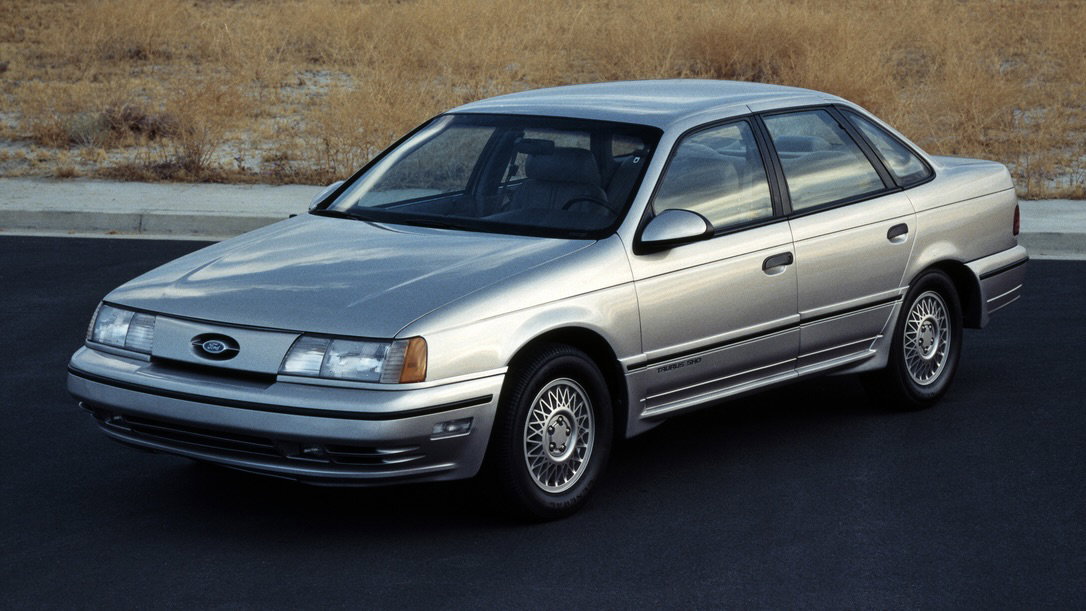
Ford Taurus SHO
An attempt to spice up the otherwise bland North American-market Ford Taurus saloon, the high-performance SHO version – standing for Super High Output – first appeared in 1989. A bit of a sleeper, there wasn’t much going on on the outside to give away the SHO’s party piece – its 3.0-litre, 220bhp V6.
Although loosely related to the much more pedestrian V6 found in other Tauruses (Tauri), Ford had handed development over to the engine gurus at Yamaha, who came back with an almost entirely new aluminium-headed, 24-valve V6 that in production guise, would rev to north of 7,000rpm – and without a protective redline, reportedly could have gone as high as 8,500rpm. It was hooked exclusively to a five-speed manual, too. A second-generation Taurus SHO launched in 1992 with the same powerplant, before 1993 saw the addition of an automatic version hooked up to a 3.2-litre version of the engine, making the same power but slightly more torque.
When the bubble-shaped third-gen SHO arrived in 1996, it moved over to a V8, also unique to the model and co-developed by Yamaha, but this time with greater input from Ford. As for the SHO V6, its only other use in something vaguely resembling a production car was the SHOgun, an aftermarket concoction that saw it stuffed into the middle of Ford’s teeny Festiva economy hatch. Only seven of these were built, and Jay Leno owns one.
Toyota Century – 1GZ V12

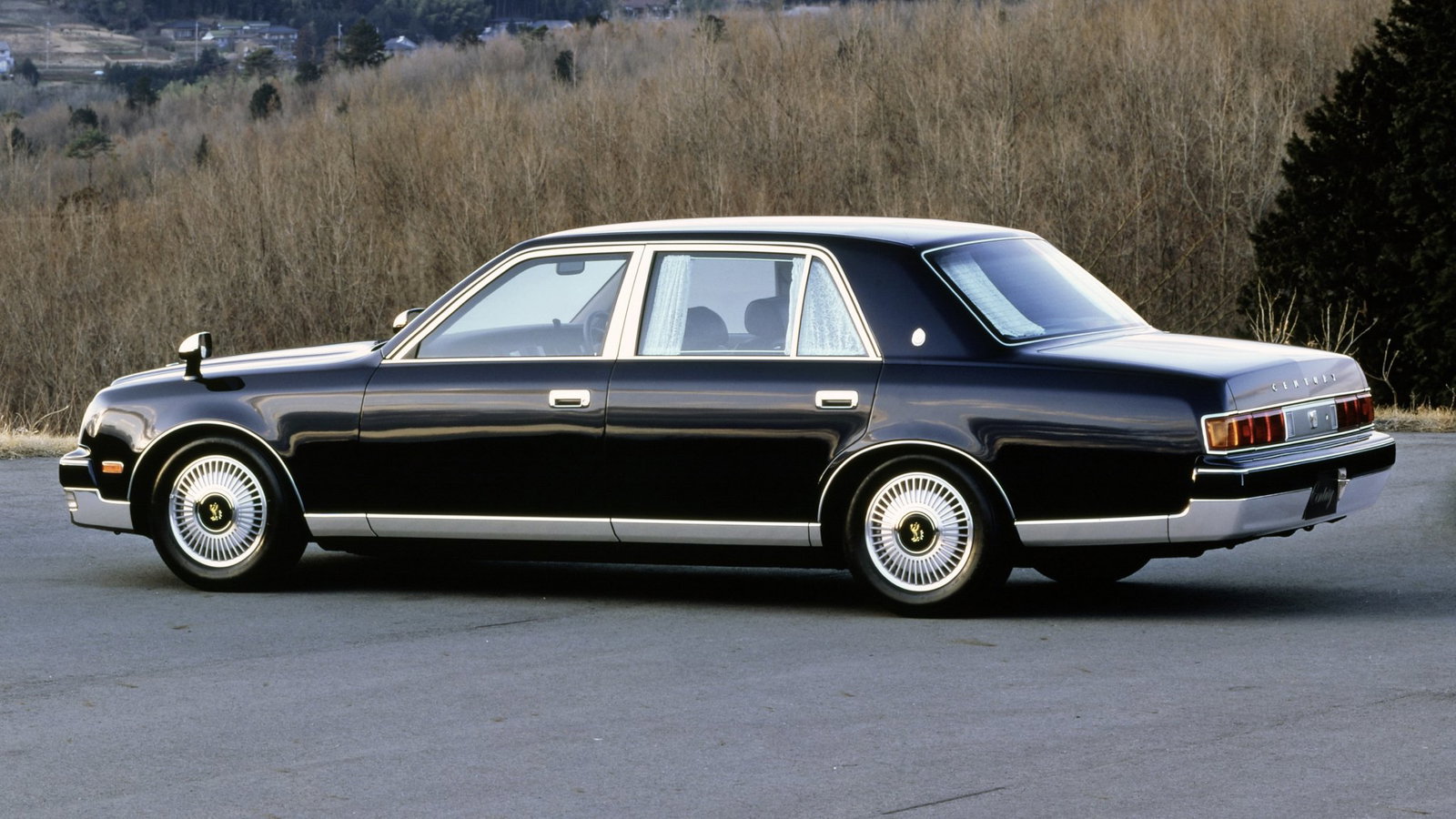
Toyota Century
A car uniquely tailored to the tastes of the Japanese market, the Toyota Century has been in production since 1967 as the country’s own answer to Bentley and Rolls-Royce. It’s a unique vehicle for a whole host of reasons, but we’re particularly focused on the second-gen model, built from 1997 until 2017.
It was available exclusively with Japan’s only homegrown V12 engine, a 5.0-litre naturally aspirated unit codenamed the 1GZ-FE by Toyota and never fitted to another model. Power is officially rated at 276bhp (thank you, gentlemen’s agreement), but the reality is likely more.. Even so, this is obviously one of those V12s developed for smooth, effortless progress, rather than for high-revving theatrics.
Despite that, the 1GZ has a fairly sizable tuning scene, and it’s not unheard of for it to be used as a swap, most famously in Smokey Nagata’s 222mph Top Secret Supra. After 20 years of continuous production, the 1GZ was phased out in 2017 and replaced with a V8 hybrid system in the third-gen Century.
Volkswagen Passat – BDN W8
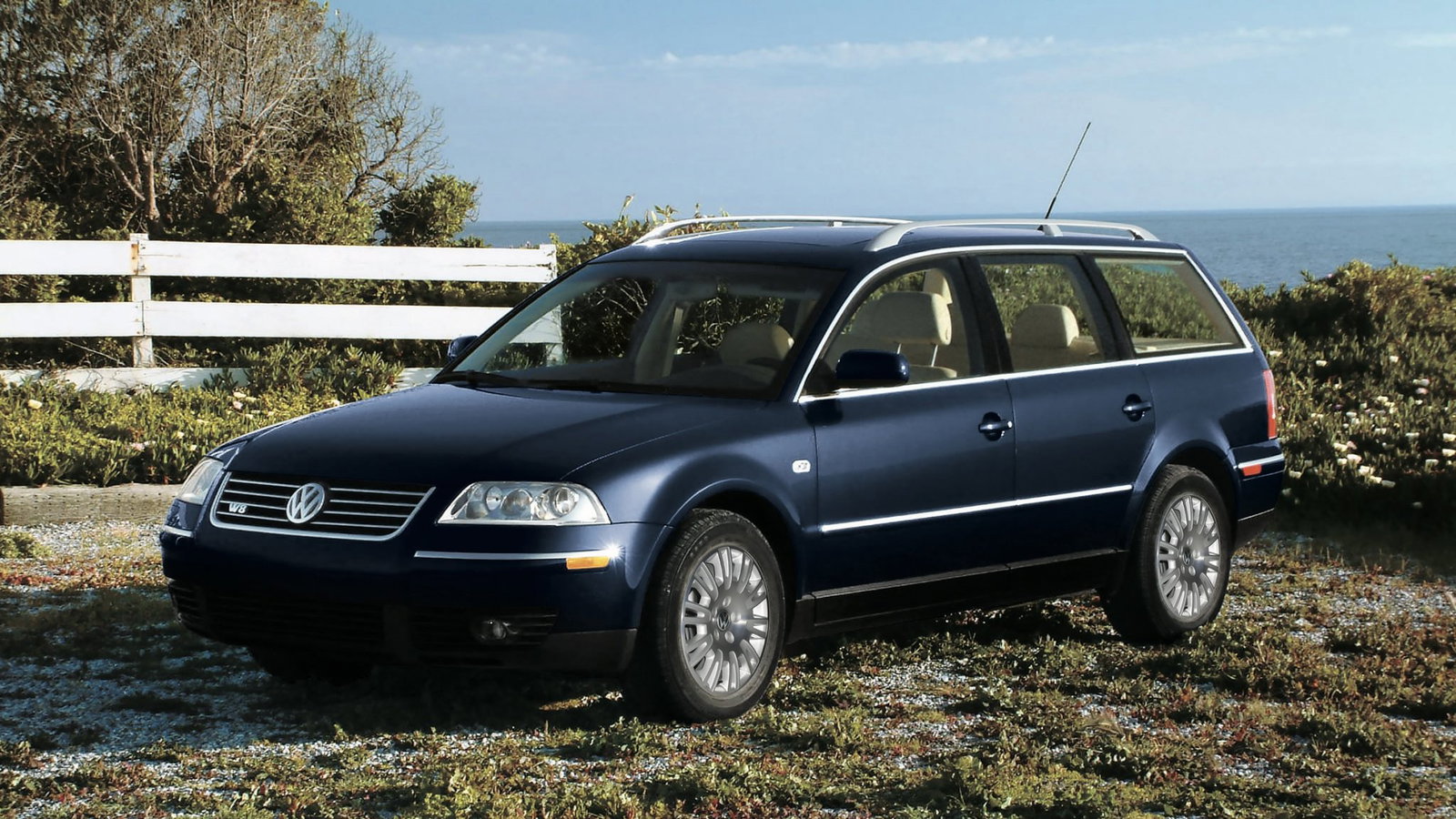
Volkswagen Passat W8 Estate
An engine this needlessly complex could only really have come out of 2000s Volkswagen, but the real surprise is the car it was fitted to. The B5 Passat was about as conservative as mid-size saloon cars got – even an otherwise unremarkable rival like the Ford Mondeo made it look staid.
That was until, when facelift time came around in 2001, VW revealed a version fitted with a new 4.0-litre W8 engine. No, not a V8 – that would have been too simple. Instead, this was essentially two narrow-angle VR4 engines joined together, hooked exclusively to four-wheel drive and making just 271bhp – hardly the sort of figure you’d expect from a 4.0-litre, eight-cylinder engine, even back then.
Still, it was smooth and torquey, and it made an entirely unique noise. Unsurprisingly, though, few people were prepared to pay the equivalent of £55,000 in 2026 money for a Passat, and the W8 remained a niche model. Its most important role was as a testbed for the bigger W-configuration engines Volkswagen was working on, which would of course culminate in the 8.0-litre, quad-turbo W16 that wowed the world in the Bugatti Veyron a few years later.
Cadillac CT6 – Blackwing V8
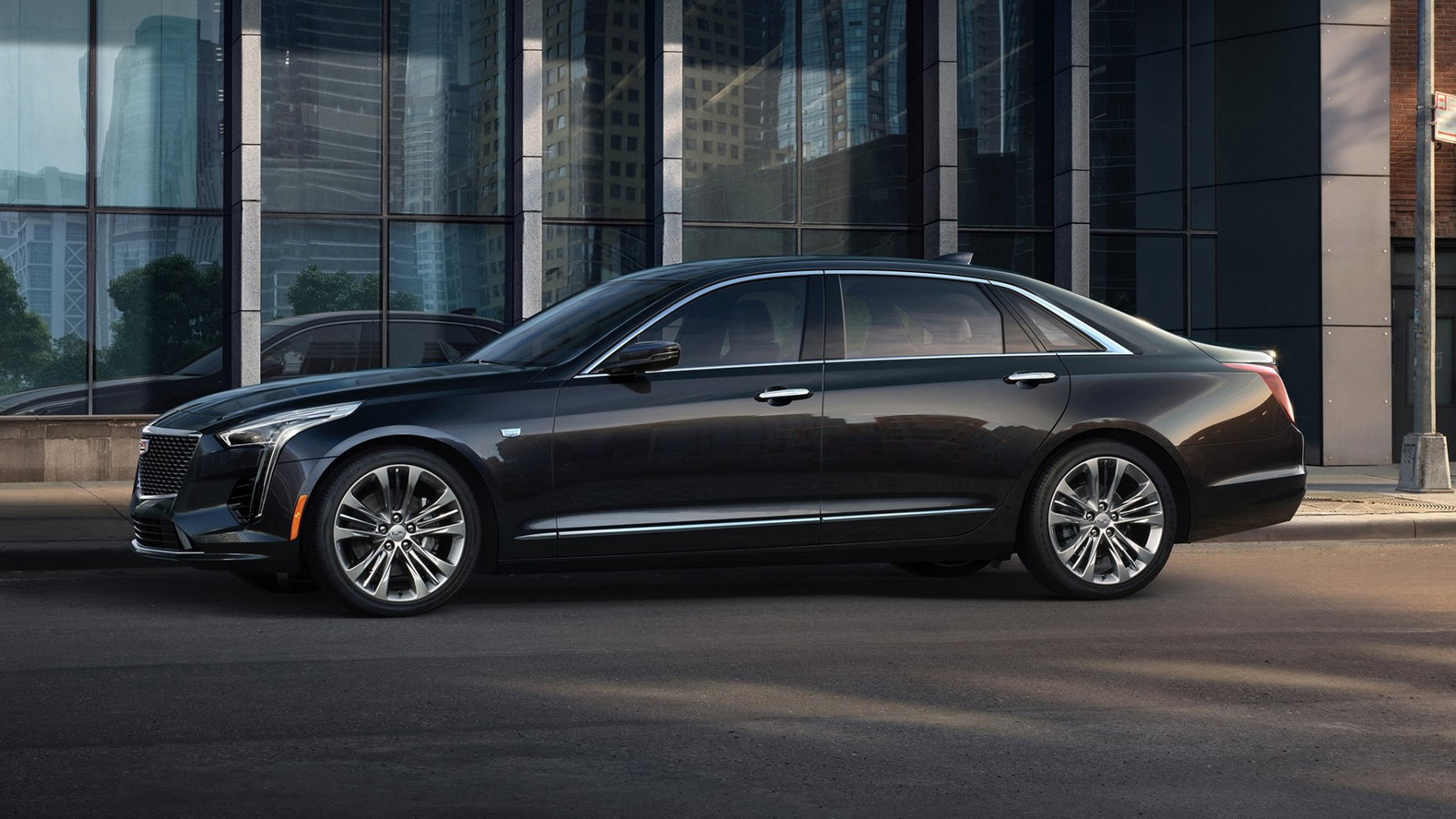
Cadillac CT6-V
Arriving in 2016, the CT6 was supposed to be Cadillac’s glorious return to the full-size luxury saloon game it had once owned, long before moneyed American buyers had started to gravitate towards European brands instead.
It was loaded with tech, it sat on an all-new rear-wheel drive platform, and crucially, while it launched with four-cylinder and V6 power, it was to get the ‘Blackwing’ engine, a completely new, clean-sheet 4.2-litre twin-turbo V8; the first Cadillac exclusive engine in decades and GM’s first ever twin-turbocharged V8. That engine finally arrived for the 2019 model year, producing 500bhp in the CT6 Platinum and 550bhp in the high-performance CT6-V.
There was only one problem with this grand plan: nobody wanted a big, luxurious Cadillac saloon anymore. People who wanted a posh Caddy just bought the Escalade instead. That meant that the short-lived CT6 was discontinued in 2020, and with it, the Blackwing V8 died. A second-gen CT6 eventually arrived, solely for the Chinese market and only with four-cylinder power, while the Blackwing name lives on the high-performance versions of the newer CT4 and CT5, but the engine that first carried the name is one of the biggest automotive false dawns of recent years.
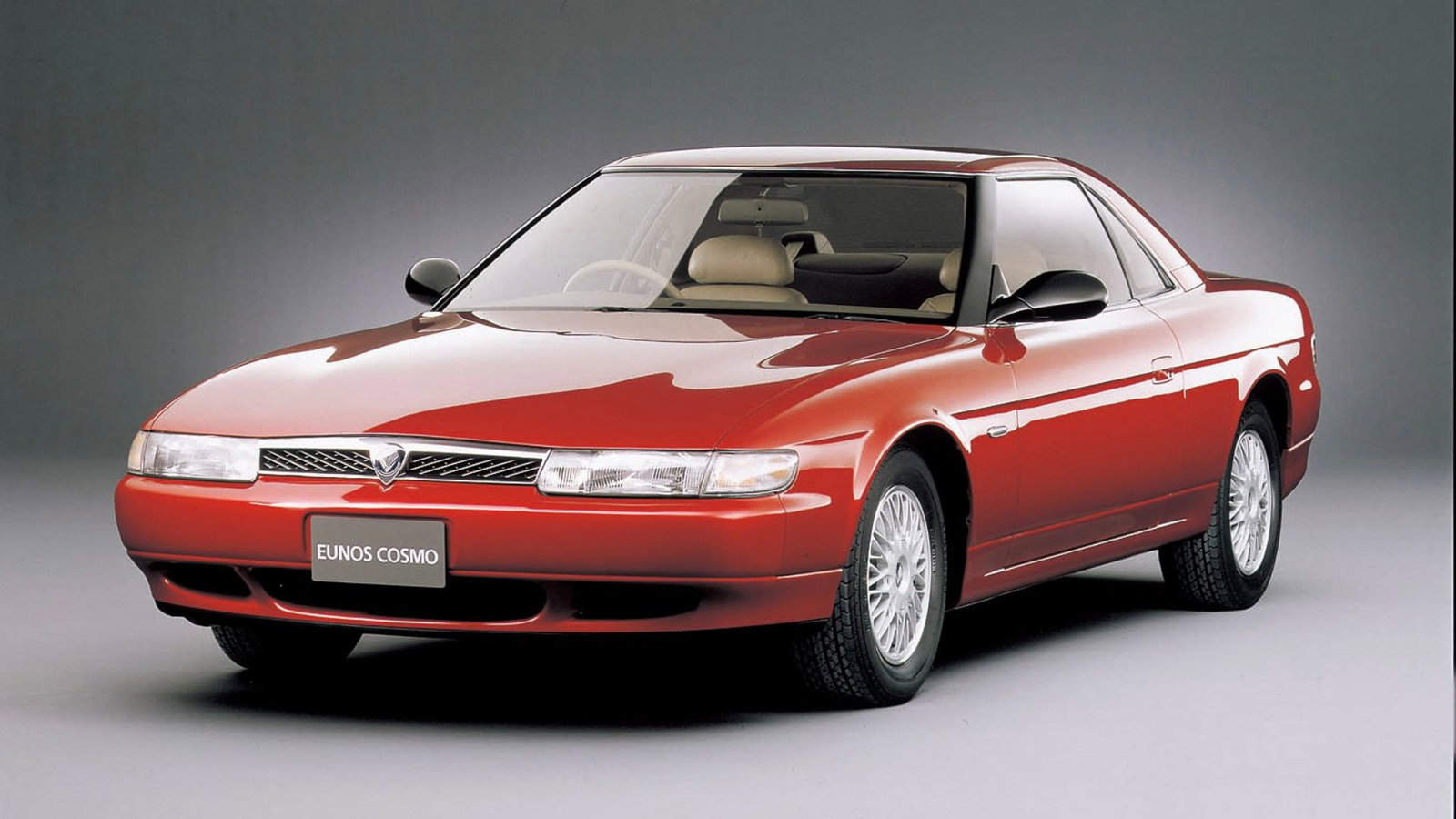
Eunos Cosmo – 20B triple-rotor

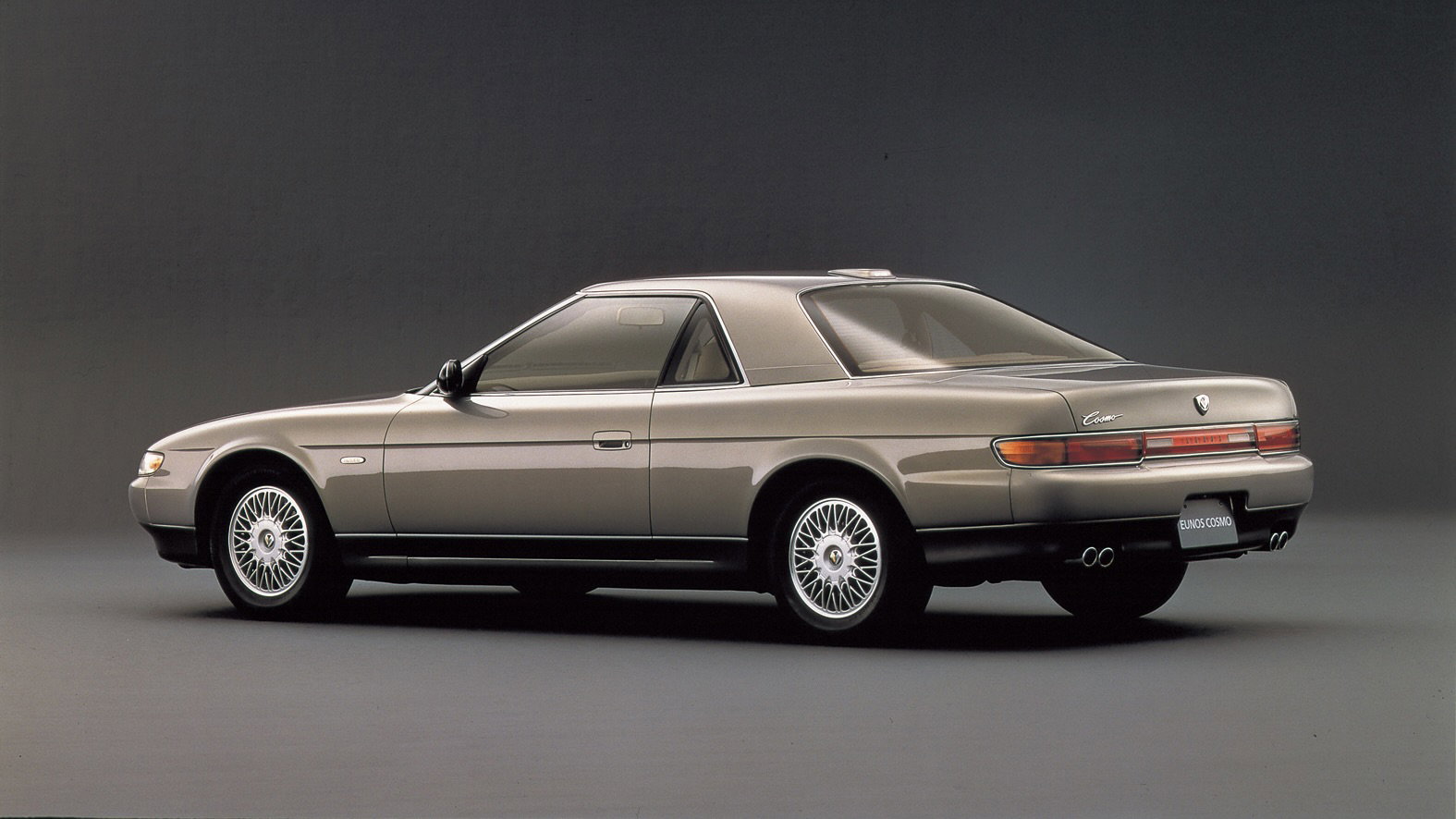
Eunos Cosmo
The rotary engine is synonymous with Mazda, and the Cosmo grand tourer was the first of its cars to get such an engine, back in 1967. Two more generations of this big, Japan-exclusive coupe followed, before the fourth arrived in 1990, now wearing the badges of Mazda’s short-lived Eunos luxury brand rather than Mazda itself.
This handsome two-door was innovative for a number of reasons – it was the first production car offered with satellite navigation – but what made it really unique was one of the available engines. While the base powerplant was the 13B twin-turbo two-rotor, similar to the one found in the RX-7, the range was topped by the 2.0-litre 20B, which invited a third spinning Dorito to the party – the only production car to ever offer such an engine.
Official output was, inevitably, 276bhp, and once again, the reality was likely more. Mazda – or anyone else – never bothered putting a triple-rotor in another road car, although before the Cosmo, its 757 and 767 Le Mans racers had used the configuration.
Subaru XT6 – ER27 flat-six

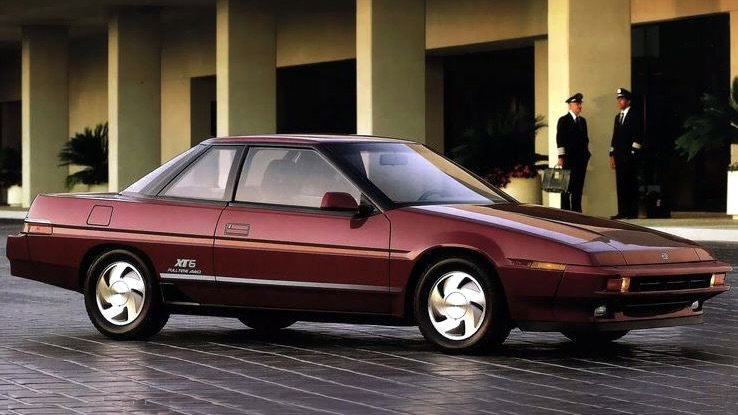
Subaru XT6
Another slightly esoteric Japanese coupe, the magnificently wedgy Subaru XT (known as the Alcyone in Japan) was launched in 1984. Since it was a Subie, a boxer engine was all but inevitable, and the car initially came with a 1.8-litre flat-four, available in naturally aspirated or turbocharged forms.
However, since it was effectively Subaru’s halo car, it was decided when the 1987 facelift came around that it should get an engine more befitting such a role. Enter the XT6, powered by a new 2.7-litre flat-six, Subaru’s first six-pot engine and the only fully water-cooled boxer six available in a production car at the time. Named the ER27 and producing 145bhp, it sat atop the XT range for the rest of the car’s life, without ever being offered in another model.
When the XT was replaced by the SVX in 1991, the new model was exclusively offered with another new flat-six, the EG33, which also remained exclusive to that model across its five-year lifespan. The EG engine is, however, making an unexpected return in 2026 – it’s being resurrected in 3.0-litre form to power the Subaru BRZ that runs in Japan’s Super GT race series.
Audi Q7 – TDI V12
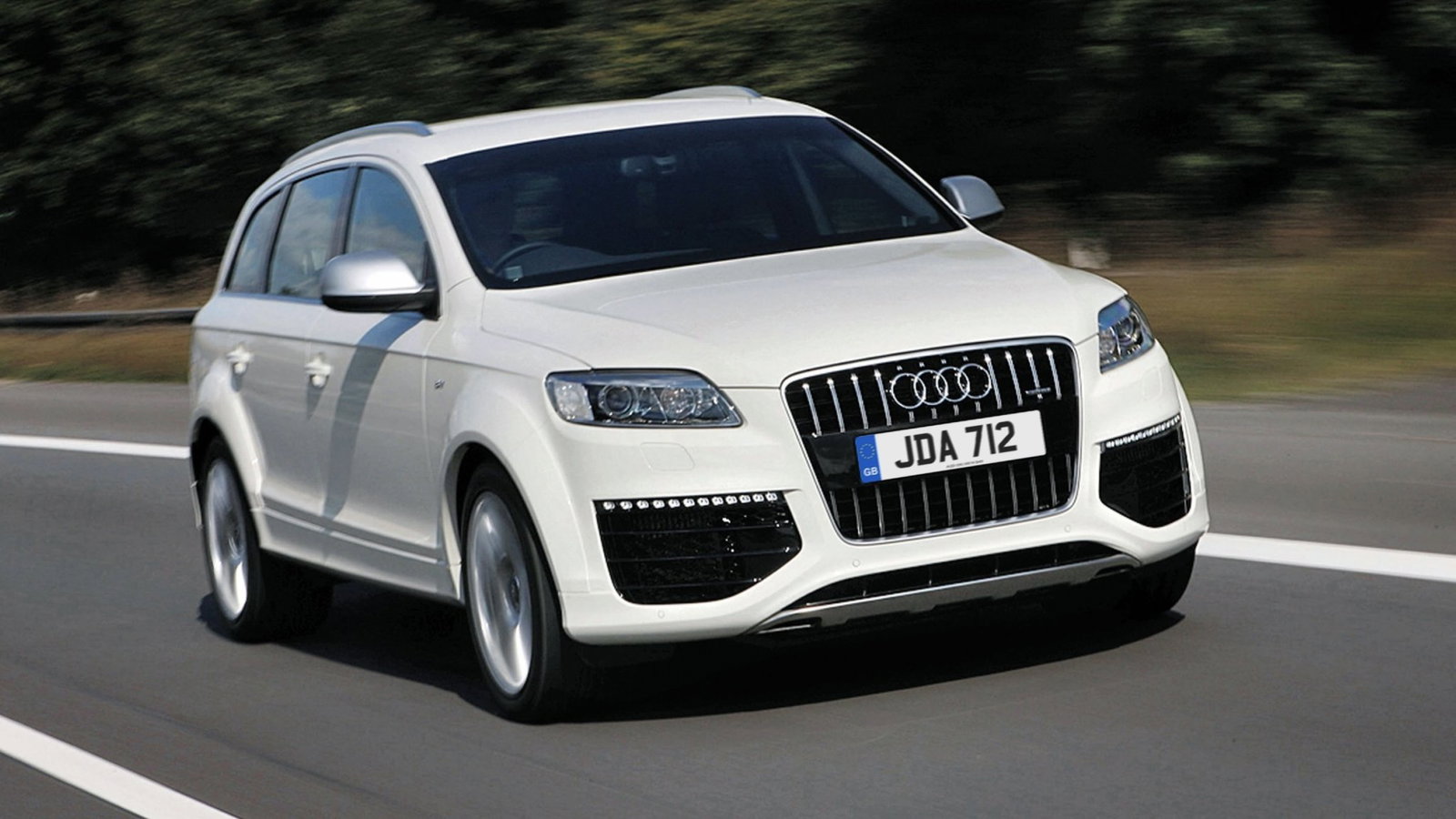
Audi Q7 V12 TDI
Another example of ‘because we can’ engineering from Volkswagen Group, the 5.9-litre, twin-turbocharged diesel V12 offered in the Audi Q7 between 2008 and 2012 is perhaps the silliest of the lot. Churning out 493bhp and an almighty 738lb ft of torque, it’s the only diesel V12 ever fitted to a production car, and with an official economy figure of just 21mpg, it sort of missed one of the major points of diesel.
Still, it was pretty much unequalled if you needed to tow, say, a medium-sized moon, and had enough low-down torque on tap to bring down a condemned tower block. It was also launched to the media within days of the collapse of Lehman Brothers. Talk about poor timing to debut a £96,000 (nearly £160,000) ode to excess.
Audi had some previous form with oil-burning V12s – between 2006 and 2008, it won Le Mans three times on the bounce with one in its R10 TDI racer, but that engine had very little to do with the one that found its way into the Q7 beyond a nice little soundbite for marketing. Funnily enough, as the world entered the worst financial crisis it had seen in nearly a century, VW elected not to install the engine in any other models, instead leaving the Touareg and Phaeton to get by with a measly diesel V10.
Lancia Fulvia – 12-degree V4

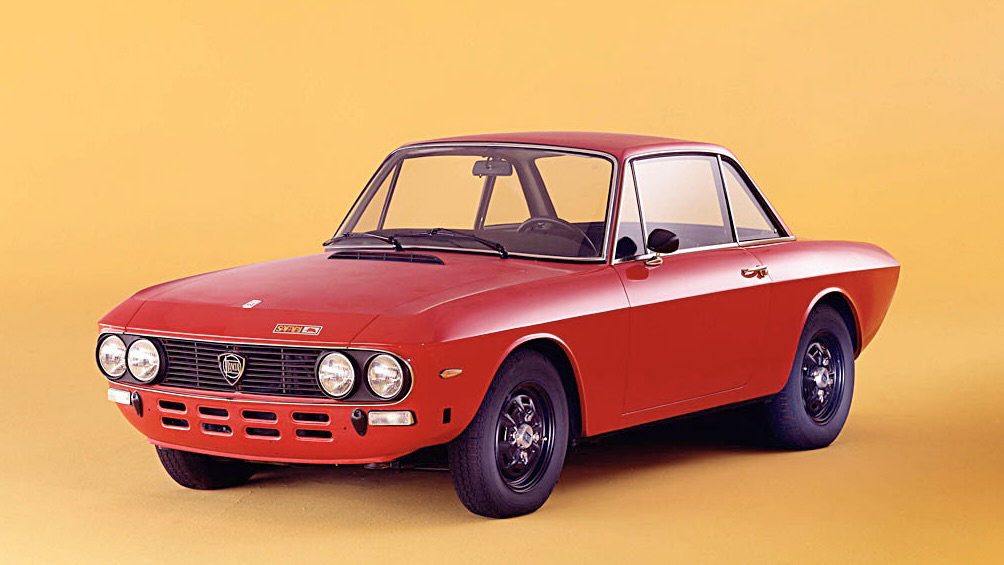
Lancia Fulvia
The gorgeous little Lancia Fulvia, known for its rally successes and its forward-thinking front-wheel drive layout, wasn’t the only Lancia to use the seldom seen V4 engine configuration – the company had been using them since the 1920s.
The one that launched in the Fulvia in 1963, though, was an all-new design attributed to engineer Zaccone Mina, who arguably deserves greater recognition for what he came up with. Offered in sizes ranging from 1.1 to 1.6 litres, the angle between the two cylinder banks was a tiny 12 degrees, a few degrees tighter than even Volkswagen’s famously narrow-angle VR6.
Like the VR6, this design allowed the Fulvia’s V4 to use a single cylinder head, and also allowed it to be compact all-round – as short as you’d expect a V4 to be, but narrow too. Throw in the fact that it used dual overhead cams – far from a given in the 1960s – and this was one clever, if alarmingly complex, little engine. It’s perhaps that complexity that led to Lancia never fitting it to another model and abandoning the V4 after the Fulvia.
Lotus Esprit – Type 918 V8
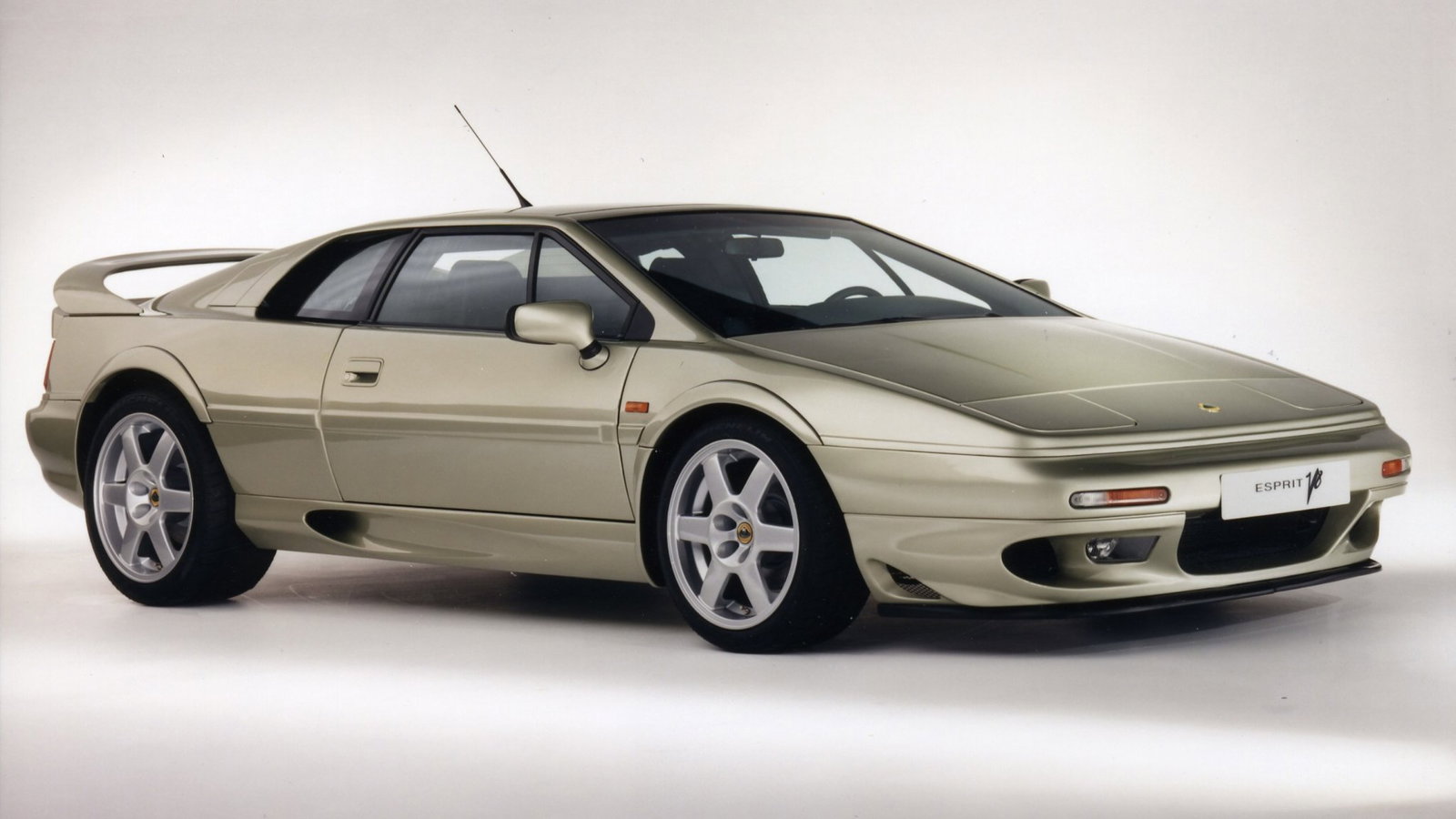
Lotus Esprit V8
By 1996, the Lotus Esprit had already been in production for 20 years, and though its styling had moved with the times, it was still fundamentally the same car underneath. Rather than thinking about retiring it and launching a new model, though, Lotus instead decided the ageing platform should be repurposed to tackle the latest generation of supercars.
The result was the perennial minnow company doing something it had never done before – developing its very own V8 engine. The result, named the Type 918, was a compact 3.5-litre flat-plane crank unit, boosted with twin turbochargers and capable of producing as much as 500bhp. This, though, was dialled back to 350bhp in the production car for the sake of the gearbox.
Against all odds, this update kept the Esprit competitive against the likes of the Ferrari F355 and Porsche 993 Turbo, and extended its life right through to 2004. The shiny new engine, though, would get its only other outing in the ill-fated Esprit GT1 racer, and to this date, Lotus hasn’t developed an engine of its own since.
BMW M3 (E9x) – S65 V8
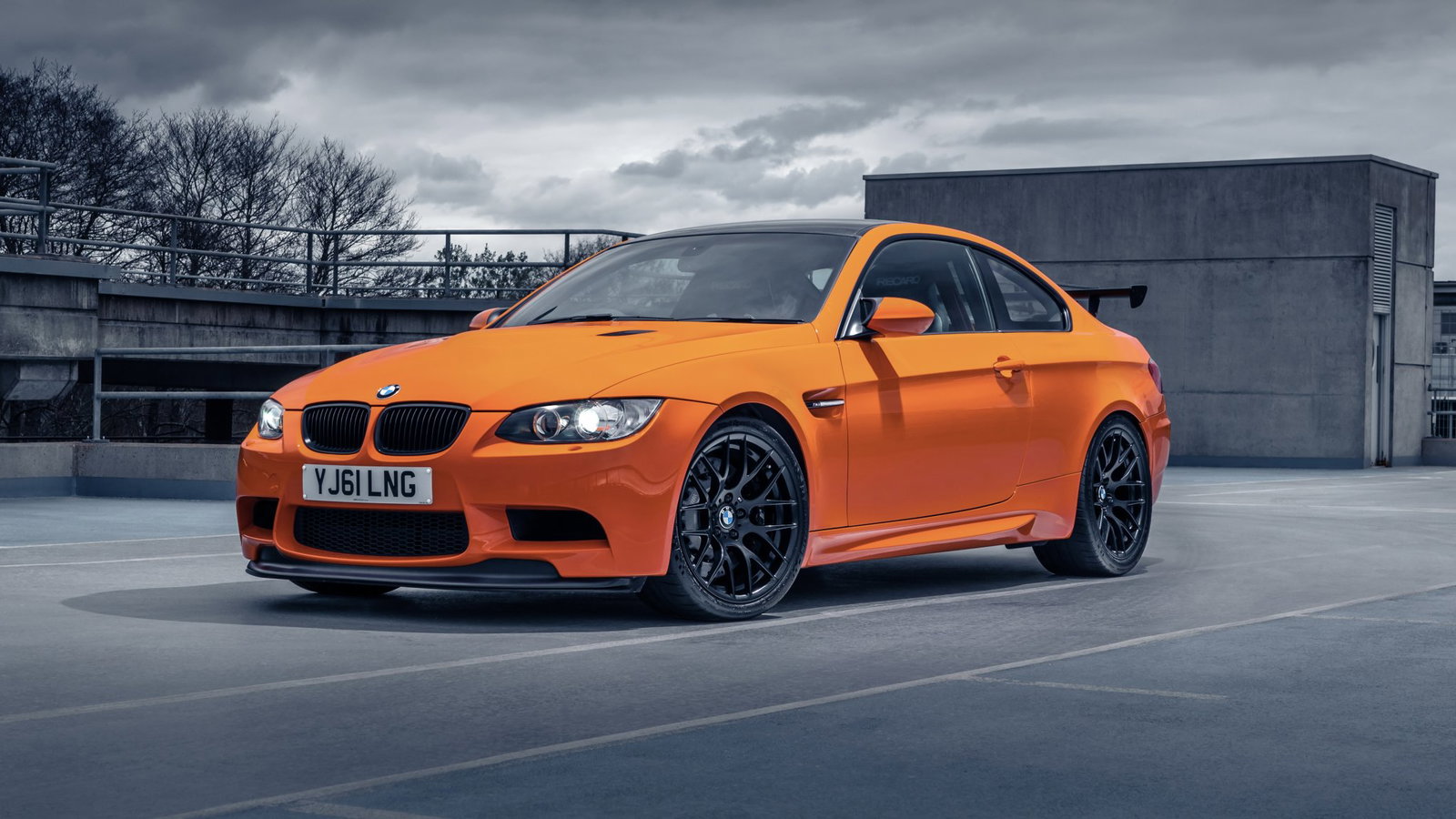
BMW M3 GTS
Nowadays, the idea of a bespoke high-performance engine being developed by a major manufacturer and not being shared across at least a couple of cars is unthinkable, but in the noughties, BMW had the will and the means to develop highly specialised engines that were only ever destined for very specific cars.
The sensational 5.0-litre S85 V10 narrowly misses out on this list as it found a home in both the M5 and M6, but the S85 V8 was very nearly as exciting an engine, and was developed solely for use in the E90 saloon, E92 coupe and E93 convertible versions of the fourth-gen M3.
A snarly 4.0-litre, 414bhp firecracker of an engine (upped to 4.4 litres and 444bhp in the hardcore M3 GTS), it arrived at a golden age for the small sports saloon when BMW, Audi, Mercedes and Lexus were all offering compact four-doors powered by fire-breathing V8s. The S85, though, was the most exclusive of all, only ever used in the M3 and, in incomprehensibly small numbers, the Wiesmann MF4-S.
Porsche 928 – M28 V8
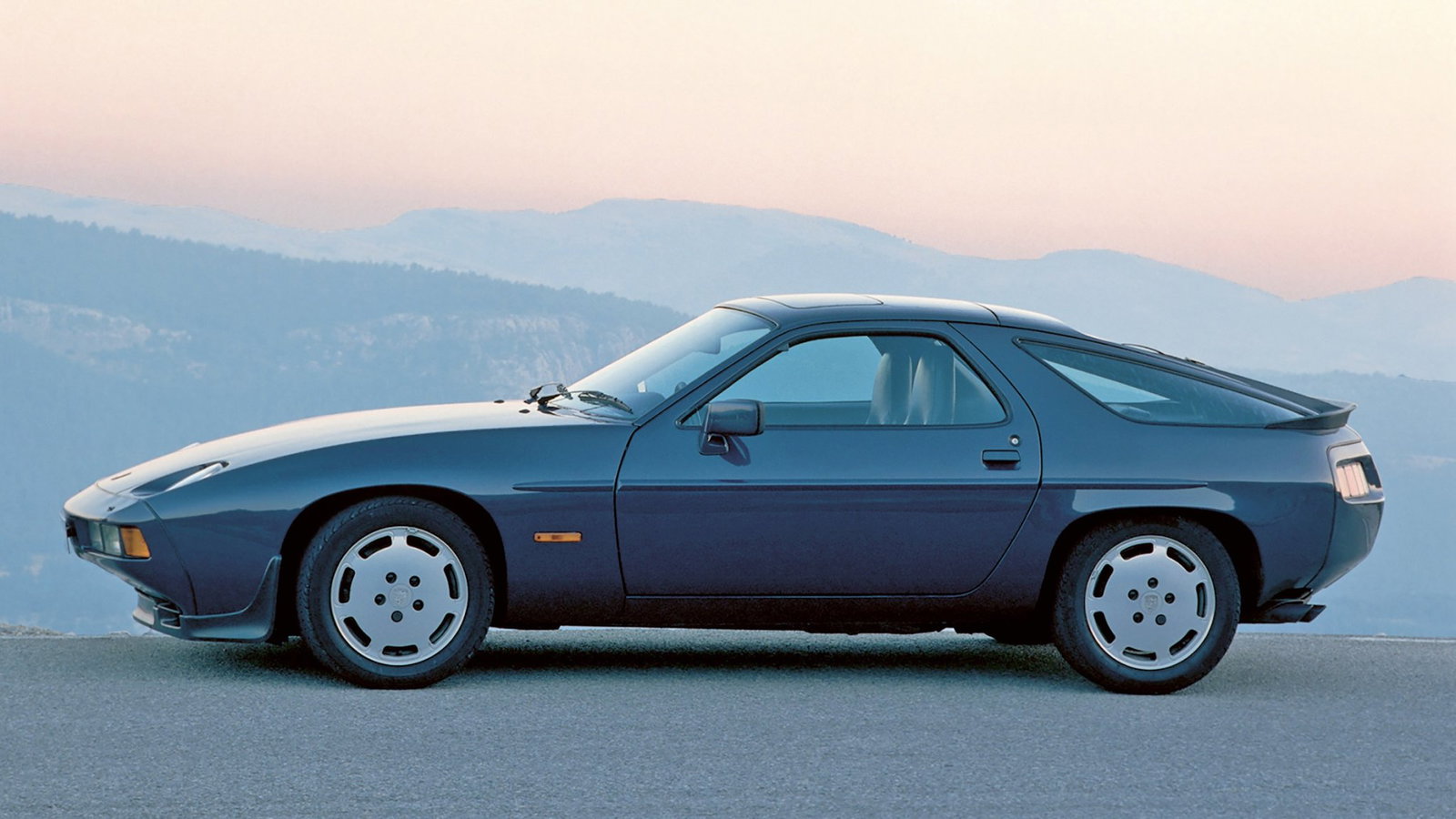
Porsche 928
Initially conceived to replace the 911, the front-engined Porsche 928 was going to need a suitable powertrain if it was to take over as the company’s flagship model. It therefore set about developing the M28, a 4.5-litre, all-aluminium V8 making an initial 236bhp. That was respectable for 1977, even if a low compression ratio allowing the engine to run on low-grade petrol was holding back its true potential.
Even as it became clear it wouldn’t take over from the 911 after all, the 928 lived a long life, with plenty of tweaks to its engine. In 1980, the 928S saw it upped to 4.7 litres and 296bhp, while a 1985 update brought another increase to 5.0-litres and an upgrade from a 24 to a 48-valve layout.
The final evolution came with the launch of the 928 GTS in 1992, the engine now a 5.4-litre making 364bhp. The 928 ultimately lived until 1995, but for all of its 18-year life, Porsche never saw fit to install the engine in another model. It didn’t launch another V8 until the M48 debuted in the Cayenne in 2002, before being fitted in the original Panamera.
Read the full article here


